




01. Edit your form online
Type text, add images, blackout confidential details, add comments, highlights and more.

Type text, add images, blackout confidential details, add comments, highlights and more.

Draw your signature, type it, upload its image, or use your mobile device as a signature pad.

Send it via email, link, or fax. You can also download it, export it or print it out.
The Employee Demographic Questionnaire is a specialized form designed to gather a comprehensive range of personal and professional information from employees. This document helps organizations maintain up-to-date records with crucial insights such as contact details, employment status, certifications, educational background, licensure, personal demographics, and emergency contact information. The aim is to enhance organizational efficiency and comply with EEOC requirements, particularly in tracking ethnic origin. The accurate compilation and management of this data enable a more inclusive work environment while ensuring legal compliance.
Effectively using the Employee Demographic Questionnaire involves several key steps aimed at ensuring complete and accurate data collection. It is important for both employees and employers to understand the form's purpose to extract the maximum utility from the questionnaire. Here are some steps and guidelines:
Completing the Employee Demographic Questionnaire requires attention to detail and systematic approach:
Using the Employee Demographic Questionnaire serves multiple purposes that benefit both employees and employers:
The Employee Demographic Questionnaire contains several core elements that ensure comprehensive data collection:
This questionnaire is legally utilized to ensure compliance with federal and state laws regarding employment practices. It fulfills requirements under the Equal Employment Opportunity Commission (EEOC) by allowing companies to gather demographic data legally and ethically. Proper handling of this data is imperative, with strict adherence to confidentiality and data protection laws to prevent misuse and ensure that information is used solely for intended corporate purposes.
The Employee Demographic Questionnaire can be administered in both digital and paper formats, each with distinct advantages:
Digital Version:
Paper Version:
Understanding the jargon associated with the questionnaire is crucial for effective use:
These terms ensure clear communication and understanding between employees and employers, facilitating a smoother data collection process and reinforcing the legal and organizational purposes of the questionnaire.
At DocHub, your data security is our priority. We follow HIPAA, SOC2, GDPR, and other standards, so you can work on your documents with confidence.

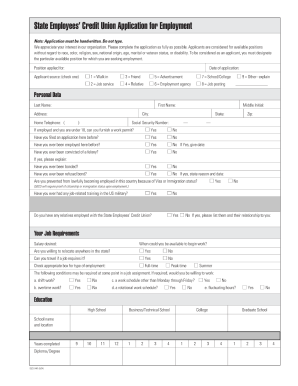

The purpose of collecting race/ethnicity information is to assess and compare the race/ethnicity of state civil service employees to Californias workforce andRead more
How do you describe your gender identity. In general, how do you see yourself? Do you identify in the LGBTQIA+ community? What term best describes your race


