Empty Return Bill of bLading Formb - Chemours 2026

Get Form
Empty Return Bill of bLading Formb - Chemours Preview on Page 1

Here's how it works

01. Edit your form online
Type text, add images, blackout confidential details, add comments, highlights and more.

02. Sign it in a few clicks
Draw your signature, type it, upload its image, or use your mobile device as a signature pad.

03. Share your form with others
Send it via email, link, or fax. You can also download it, export it or print it out.

Definition & Meaning

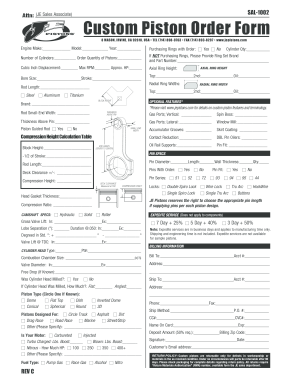
The "Empty Return Bill of Lading Form - Chemours" is a specific shipping order document used primarily for the return of empty or defective cylinders and ton tanks handled by The Chemours Company FC, LLC. Designed in compliance with Department of Transportation (DOT) regulations, this form serves as an essential component in managing the logistics of shipper-consigned hazardous materials. It certifies the legal transfer and receipt of materials and includes pertinent details about the cargo, such as weight, volume, and nature of the materials being transported back to the supplier or handling entity.

How to Use the Empty Return Bill of Lading Form - Chemours

To effectively utilize the form, individuals or businesses must follow a structured approach that includes:

  1. Form Acquisition: Obtain the form directly from Chemours or an affiliated distributor. This ensures compliance with current guidelines and regulatory standards.

  2. Form Filling: Carefully complete the form, ensuring all required details are accurate and complete. Essential fields typically include shipper and consignee details, specific descriptions of the empty or defective items being returned, and any handling instructions.

  3. Verification: Cross-verify the filled form with the Return Authorization (RA) to maintain consistency in the documentation process.

  4. Submission: Present the completed form to the appropriate Chemours authority or logistics partner for approval and processing.

Real-world scenarios include businesses returning empty chemical containers to Chemours for reuse or recycling, underscoring efficient resource management.

Steps to Complete the Empty Return Bill of Lading Form - Chemours

Here are detailed steps to fully complete this form:

  1. Shipper Information: Fill in shipper details, such as name, address, and contact information.

  2. Consignee Information: Provide the consignee's contact and location specifics.

  3. Cargo Description:

    • Clearly describe the items returned, including cylinder or tank identification and condition.
    • Include hazard classification if applicable.
  4. Transporter Information: Add details about the transporter, including carrier name and shipping route.

  5. DOT Compliance Details:

    • Confirm compliance with DOT rules for transporting hazardous materials.
    • Include emergency contact information.
  6. Signatures: Validate with signatures from authorized personnel at both shipper and consignee ends to confirm accuracy and endorsement.

Practical application involves ensuring coordination among departments involved in logistics, compliance, and environmental safety.

Key Elements of the Empty Return Bill of Lading Form - Chemours

Several critical components must be correctly filled to ensure its validity:

  • Shipper and Consignee Details: Accurate addresses and contact details are crucial for seamless logistics management.
  • Description of Contents: Precise information about the returned items, including quantity, material, and any defects.
  • DOT Hazard Classification: This is mandatory if hazardous materials are shipped, requiring careful adherence to legal standards.
  • Packaging and Labeling Instructions: Ensures the safety of transportation by adhering to specific guidelines.

Real-world application highlights the importance for businesses dealing with hazardous chemicals to ensure compliance with health and safety regulations.

Legal Use of the Empty Return Bill of Lading Form - Chemours

This form certifies that the shipped empty or defective containers comply with federal and state transportation laws. It acts as a legal document that:

  • Certifies Ownership: Transfer of the container from one party to another.
  • Ensures Compliance: Aligns with DOT regulations for the safe return of hazardous materials.
  • Provides Evidence: Serves as a record in case of disputes regarding the shipments’ contents, condition, or handling.

An example includes legal mechanisms required for businesses and Chemours to defend against legal liabilities associated with the improper return of hazardous materials.

Who Typically Uses the Empty Return Bill of Lading Form - Chemours

Key users of this form include:

  • Chemical Distributors and Handlers: Firms that manage the distribution and handling of chemical products.
  • Logistics Companies: Entities responsible for transporting goods between Chemours and the consignee.
  • Environmental Management Teams: Groups tasked with ensuring the safe handling and return of hazardous materials.

These users coordinate to align documented processes with environmental compliance and safety protocols.


decoration image ratings of Dochub

Required Documents

When engaging with the Empty Return Bill of Lading Form - Chemours, certain documents are typically required:

  • Return Authorization (RA): Confirms authorization for the return of items.
  • Safety Data Sheets (SDS): Provides information on the safe handling of hazardous materials involved.
  • Legal Permits and Approvals: Necessary for transportation of hazardous goods if applicable in certain jurisdictions.

Having these documents ready expedites the cargo handling process and ensures compliance.

Form Submission Methods

Depending on preferences and technical capability, the form can be submitted via:

  • Online Portals: Enables digital submission and tracking, often preferred for its efficiency.
  • Traditional Mail: Physical form submission for businesses preferring hard copies.
  • In-Person: Direct submission at Chemours facilities for immediate processing.

While online methods enhance efficiency, businesses might choose in-person approaches for critical or sensitive shipments.

be ready to get more

Complete this form in 5 minutes or less

Get form

Got questions?

We have answers to the most popular questions from our customers. If you can't find an answer to your question, please contact us.
Contact us
Different Types Of Bills Of Lading Straight BOL: Non-negotiable and used when goods are consigned to a specific buyer. Order BOL: A negotiable BOL that allows the transfer of ownership through endorsements. Bearer BOL: Allows delivery to any party in possession of the document.
Article: Non-Negotiable (Straight), Negotiable (To Order), and Bearer Bills of Laden.
Learn How to Fill out a BOL Quickly and Easily, Step by Step Step one: Get a blank copy of a bill of lading. Step two: Enter the contact information. Step three: Enter your cargo information. Step four: Find the correct shipping class. Step five: Check for additional services. Step six: Fill out the special instructions box.
Bill of Lading (B/L) - a Definition The Bill of Lading (B/L) acts as a receipt, contract of carriage and proof of ownership. It is issued by the carrier who acknowledges the receipt of the goods for shipment on board and is responsible for their safe transport to the port of destination.
Three types of bills of lading include straight bill of lading, order bill of lading, and bearer bill of lading. Legally binding under maritime law, a bill of lading is required for international trade.

Security and compliance

At DocHub, your data security is our priority. We follow HIPAA, SOC2, GDPR, and other standards, so you can work on your documents with confidence.
Learn more
ccpa2
pci-dss
gdpr-compliance
hipaa
soc-compliance
be ready to get more

Complete this form in 5 minutes or less

Get form

People also ask

How to Fill Out a Bill of Lading Add the Shipper, Carrier, and Consignees Address and Business Information. Describe Your Cargo Information. Include the Value of the Goods. Denote the Freight Shipping Class. Include the Shipping Terms. Add Freight Charges. Warn for Hazardous Materials (if Necessary)
The original bill of lading is a document of title, representing ownership of the goods, and ownership can be transferred by endorsement. In contrast, telex release bills of lading are non-transferable and do not confer title.
It functions as evidence of a contract of carriage, transport goods receipt, and a legal title to the goods. To receive the cargo, the buyer (consignee) will need to present the original bill of lading.

Related links