







Definition & Meaning
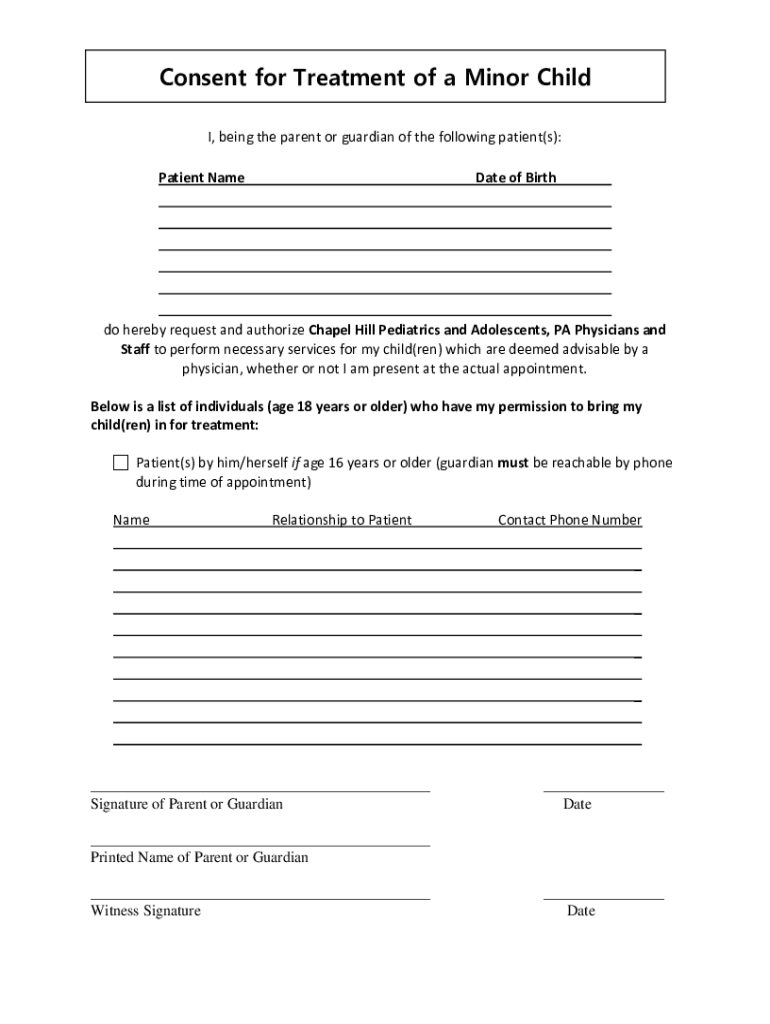
The "Patient Medical Forms and Medical Record RequestsChapel" form serves as a critical tool in the healthcare system for managing and authorizing the release of patient medical information. It allows patients or their legal representatives to request access to their medical records or to authorize the transfer of their records to another healthcare facility, provider, or individual. This form is essential for maintaining patient confidentiality while ensuring the proper and secure flow of medical information between parties.
How to Use the Patient Medical Forms and Medical Record RequestsChapel
To effectively use this form, follow these steps:
- Identify the Purpose: Begin by clearly understanding whether you need the form for releasing, transferring, or requesting your own records or those of a dependent.
- Fill Out Personal Information: Provide accurately your name, contact details, and any other necessary identification information.
- Specify Medical Information: Detail the specific medical records or types of information you require or wish to release.
- Indicate Recipients: Clearly mention the names and addresses of individuals or institutions that should receive the records.
- Authorize and Sign: Sign the form to authorize the release, request, or transfer of information, ensuring a legal acknowledgment of your consent or request.
Steps to Complete the Patient Medical Forms and Medical Record RequestsChapel
- Gather Relevant Documents: Collect any supporting documents such as identification or insurance information that may be necessary to complete the forms accurately.
- Accurate Data Entry: Use clear and precise data entry when filling in personal and medical details to eliminate errors.
- Review and Correct: Double-check all information for accuracy and completeness before submission.
- Submit the Form: Depending on the healthcare provider or institution, submit the form via mail, in-person delivery, or their preferred digital platform.
- Confirmation: Request and retain a confirmation of receipt from the receiving entity to ensure the form is processed.
Who Typically Uses the Patient Medical Forms and Medical Record RequestsChapel
The form is commonly used by:
- Patients seeking their own medical records
- Parents or Guardians of minors or incapacitated individuals needing access to medical records
- Healthcare Providers requiring patient consent to transfer medical data
- Legal Representatives managing records on behalf of clients for legal or administrative purposes
- Insurance Companies verifying coverage-related records with patient permission


Legal Use of the Patient Medical Forms and Medical Record RequestsChapel
Legal compliance is crucial when handling patient medical forms:
- HIPAA Compliance: Ensure that the process adheres to the Health Insurance Portability and Accountability Act (HIPAA) standards, which govern the privacy and security of health information.
- State Regulations: Be aware of any state-specific laws that may impose additional requirements beyond federal standards.
- Authorization Scope: Clearly define the scope and duration of the authorization to prevent unauthorized disclosures or use of medical information.
Important Terms Related to Patient Medical Forms and Medical Record RequestsChapel
- Authorization: Consent given by a patient or their legal representative to release medical information.
- Confidentiality: A mandate to protect patient information from unauthorized access or disclosure.
- Record Transfer: The process of moving medical records from one healthcare provider to another.
- Informed Consent: Ensures the patient is fully aware and agrees to the sharing of their medical information.
Digital vs. Paper Version
The form is available in both digital and paper formats:
- Digital Version: Offers the convenience of online completion and submission through secure platforms. Ideal for tech-savvy individuals and providers who integrate digital workflows.
- Paper Version: Necessary for those without digital access or who prefer traditional methods. All completed forms should be stored securely to protect patient information.




