





Definition & Meaning
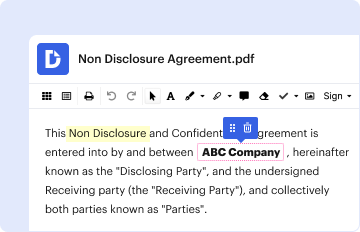
The term "form online" refers to digital forms that are made available through internet platforms for a variety of purposes, such as applications, information collection, or document management. These forms, used in diverse fields ranging from business to personal finance, facilitate easy and efficient completion of tasks. By digitizing processes typically associated with paper forms, online forms enhance accessibility and streamline workflows. They often include fields for input, checkboxes, dropdown menus, and electronic signature capabilities, allowing for comprehensive interactions without the need for physical paperwork.
How to Use the Form Online
To use a form online, follow these sequential steps to ensure accurate completion and submission:
-
Access the Form: Visit the website offering the form, such as DocHub, and navigate to the relevant section where the form is available.
-
Select the Form: Choose the specific form needed for your purpose, whether it's a tax form, application, or another document type.
-
Fill Out the Form: Utilize the fields provided to enter all necessary information. This could include text boxes for personal details, dropdown menus for selections, and checkboxes for options.
-
Review the Details: Before submitting, carefully review all entered information for accuracy and completeness to reduce errors.
-
Submit Online: After review, submit the form directly through the platform’s online submission feature if available, or follow instructions for downloading and sending as required.
Steps to Complete the Form Online
Completing an online form successfully requires attention to detail and following a structured approach:
-
Gather Necessary Information: Before starting, collect all required documents and information, such as identification numbers, prior to filling out the form.
-
Utilize Help Guides: Many platforms offer guides or tips within the form interface to assist users in completing complex sections.
-
Save Progress: Use the save feature if available to prevent data loss, especially for lengthy forms that may require inputting extensive information over multiple sessions.
-
Validate Information: Platforms often have built-in validation to check for missing or incorrectly formatted data; use these tools to correct issues in real-time.
Why Should You Form Online
Utilizing online forms instead of traditional paper forms offers several benefits:
-
Convenience: Filling out and submitting forms online can be done from anywhere, eliminating the need for physical travel to offices or mailing locations.
-
Efficiency: Online forms allow for rapid processing of information and often include automated validation, reducing the time and errors associated with manual data entry.
-
Eco-friendly: Reducing paper usage aligns with environmentally friendly practices by minimizing waste and conserving resources.
Important Terms Related to Form Online
Understanding key terminology is critical for effectively using online forms:
-
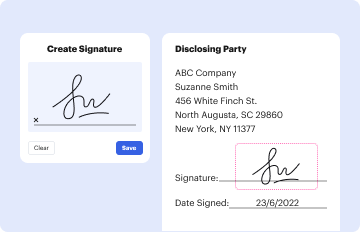
e-Signature: A digital method of signing documents that holds the same legal standing as a handwritten signature under laws such as the ESIGN Act.
-
Encryption: A security measure for protecting data integrity and confidentiality during online transmissions, often using protocols like SSL.
-
Cloud Storage: Online platforms often integrate with cloud services for document storage and management, aiding in seamless data accessibility and backup.
Legal Use of the Form Online
The legal use of online forms is governed by various regulations to ensure compliance and authenticity:
-
ESIGN Act Compliance: Ensures that electronic signatures and records are legally recognized, facilitating secure and binding transactions online.
-
Data Protection Laws: Compliance with data protection regulations like GDPR or CCPA ensures user information is handled ethically and securely.
-
Audit Trails: Many platforms provide an audit trail feature, documenting every action taken within a form for transparency and legal review.
Examples of Using the Form Online
Real-world scenarios illustrate the utility of online forms:
-
Tax Filing: Individuals and businesses can use forms such as the W-9 for tax information reporting, eliminating the need for face-to-face submissions.
-
Business Applications: Corporations frequently use online forms for employee onboarding, client agreements, and vendor applications, streamlining administrative processes.
-
Educational Enrollments: Schools may implement online forms for student registrations and course selections, simplifying data management and accessibility.
Form Submission Methods
Understanding the various submission methods available can help choose the most suitable approach:
-
Online Submission: The fastest method, directly through the platform's interface, ideal for immediate processing.
-
Mail Submission: Some forms may require printing and physical submission when an original signature or document is needed.
-
Hybrid Approach: Certain processes might combine online elements with physical documentation, especially for initial verification purposes.
By acquainting yourself with these procedures and options, you can maximize the advantages offered by online forms, enhancing efficiency and ensuring compliance with industry standards.


