







Understanding the Incident
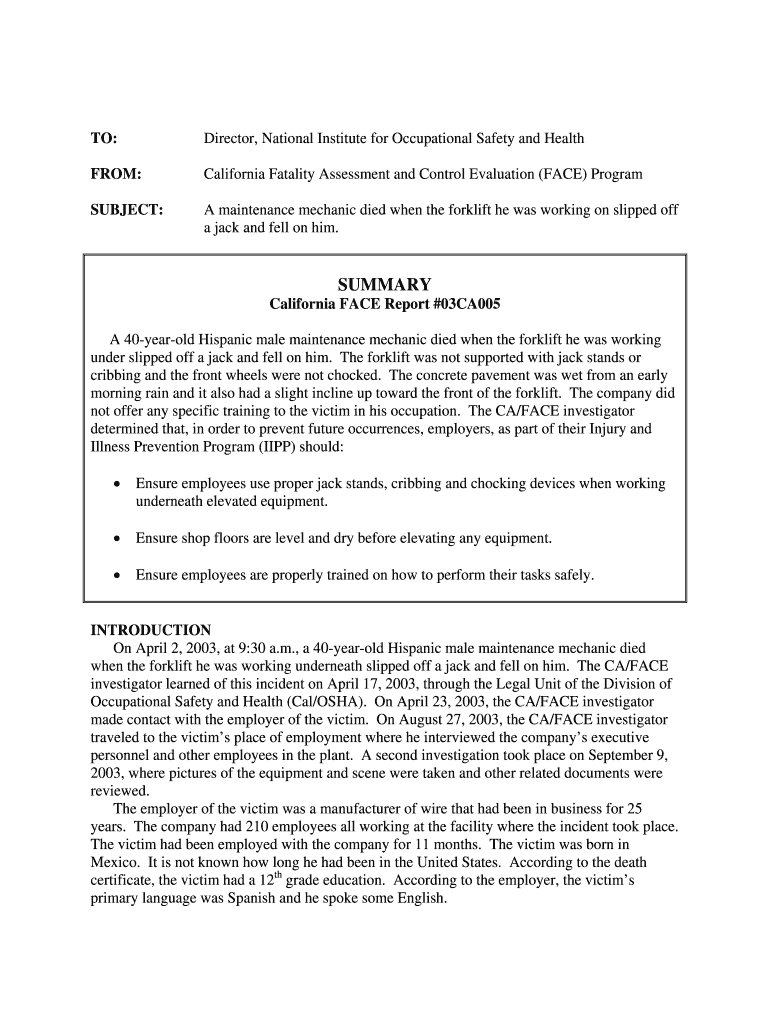
A maintenance mechanic tragically died when a forklift slipped off a jack and fell on him. This incident underscores the critical importance of implementing and adhering to robust workplace safety measures.
Contributing Factors
- Improper Safety Measures: The absence of jack stands and chocking devices was a significant factor.
- Environmental Conditions: The workspace had wet and inclined flooring, which increased the risk of accidents.
- Training Deficiencies: The mechanic had not received specific training related to his tasks.
Lessons Learned
- Implementing proper use of safety equipment is crucial.
- Maintaining dry and level work surfaces is essential in reducing risks.
- Comprehensive training for employees is vital to prevent similar events.
The Importance of Safety Protocols
Safety protocols are designed to protect workers and prevent accidents. In this context, they refer to the steps and equipment necessary to safely perform maintenance tasks on forklifts.
Key Safety Protocols to Implement
- Use of Jack Stands: Always use jack stands to secure a forklift when working underneath it.
- Proper Chocking Devices: Chocking devices should be used to prevent unintended movement.
- Environmental Controls: Ensure workspaces are dry, level, and clear of hazards.
Training Recommendations for Mechanic Safety
Training is a fundamental aspect of workplace safety, especially when operating or maintaining heavy machinery like forklifts.
Training Components
- Specific Skills Training: Mechanics should receive training specific to the machinery they handle.
- Safety Equipment Training: Workers must know how to correctly use jack stands and chocking devices.
- Emergency Response Training: Employees should be trained to respond appropriately in case of an accident.
Ongoing Education
- Regular refreshers and updates on safety protocols and equipment are crucial.
- Encouraging a culture of safety first among all employees.
Equipment Maintenance Standards
Regular maintenance of equipment and tools is necessary to ensure safety and efficiency.
Forklift Maintenance Checks
- Routine Inspections: Conduct inspections to identify potential hazards or necessary repairs.
- Maintenance Logs: Keep detailed records of all maintenance work performed.
- Certification of Tools and Equipment: Regularly evaluate the tools for adherence to safety standards.
Developing a Safety Culture
Building a strong safety culture within an organization can significantly reduce workplace accidents.
Strategies for Building a Safety Culture
- Employee Involvement: Engage employees in developing safety protocols.
- Leadership Commitment: Management must demonstrate a commitment to safety.
- Reward Systems: Implement systems that reward safe behaviors and practices.
Legal Requirements and Compliance
Compliance with safety regulations is not only a legal obligation but a moral one to protect employees.
U.S. Safety Standards
- OSHA Guidelines: Compliance with Occupational Safety and Health Administration (OSHA) standards.
- Regular Audits: Regular audits to ensure compliance with legal safety requirements.
Consequences of Non-Compliance
- Penalties: Non-compliance can result in significant financial penalties and legal action.
- Increased Accidents: Lack of compliance increases the likelihood of workplace accidents.
Comprehensive Safety Equipment Checklist
Having a robust equipment checklist ensures all safety gear and protocols have been considered before beginning work.
Essential Checklist Items
- Jack Stands and Chocking Devices: Verify availability and condition.
- Personal Protective Equipment (PPE): Ensure all necessary PPE is available and in good condition.
- Safety Protocol Documentation: Confirm all workers have access to safety protocol documentation.
Practical Examples and Case Studies
Learning from real-world scenarios can provide invaluable insights for preventing future incidents.
Case Study: Supplementary Measures
- Implementation of Additional Training: A case where increased training led to a reduction in incidents.
- Infrastructure Improvements: Addressing environmental factors like flooring conditions improved safety.
Creating a Safer Workplace Environment
Incorporating best practices and lessons learned can help develop a safer working environment.
Steps to Improve Workplace Safety
- Evaluate current safety measures and identify gaps.
- Develop an action plan to address identified weaknesses.
- Implement training and awareness programs.
- Review and update safety protocols regularly.
This comprehensive overview provides essential insights and guidelines to improve workplace safety in environments involving the maintenance and operation of forklifts. Through the implementation of these steps, businesses can work towards preventing tragic incidents and fostering a safer workplace environment.




