Understanding the Marriage License in Alberta
Obtaining a marriage license in Alberta, particularly through the Banff Registry, is an important step for couples planning to wed in the region. This license acts as official permission for the wedding to occur and is a legal requirement before the ceremony. In this section, we'll explore its definition and significance to provide a comprehensive understanding of its role in the marriage process.
Significance and Legal Implications
- A marriage license is necessary to legally tie the knot in Alberta.
- It establishes the legal framework for a marriage under the province's laws.
- Without a valid license, a marriage cannot be officially recognized by the government.
Practical Considerations
- It's crucial for couples to verify the expiration date of the license since it has a limited validity period.
- Understanding the responsibilities that come with obtaining this license can help in smooth planning.
Core Elements of the Marriage License Process
Required Documentation
Proper documentation is fundamental when applying for a marriage license. Two main categories of information are critical to the process: personal identification and marital status documents.
Identification Requirements
- Both parties must provide valid government-issued photo IDs, such as a passport or driver's license.
- These documents confirm your age, identity, and eligibility to marry.
Status Documentation
- Proof of marital status is necessary, particularly if either party has been married previously.
- Documents might include divorce certificates or death certificates in cases of widowhood.
Oath and Declaration
- As part of the process, applicants sign an oath confirming the accuracy of the provided information.
- This step underscores the sincerity and legal compliance of the marriage license application.
Steps to Obtain a Marriage License
Start the Application Process
- Visit the Banff Registry: The initial step involves visiting the local licensing authority in Banff.
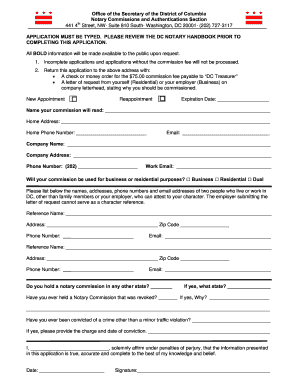
- Complete the Application Form: Ensure all sections are filled accurately with personal and partner details.
Verification and Submission
- Submit documents for verification and review by registry officials.
- Pay the associated fee with a payment method accepted by the registry.
License Issuance
- Upon successful verification, the marriage license is granted, generally on the same day.
- Retain the license safely as it is necessary for the wedding officiant to register the marriage.
Legal Obligations and Officiant's Role
Officiant's Responsibilities
- The selected officiant legally performs the marriage ceremony.
- Ensures that the marriage is recorded with Alberta Vital Statistics.
Marriage Registration
- After the ceremony, the officiant registers the marriage—closing the loop in the legal process.
- This registration is critical for the marriage to be officially recognized by authorities.
First-Time Marriages and Re-Marriages
- Couples marrying for the first time, as well as those remarrying, need this license.
- It is universally required for all couples wishing to marry in Alberta.
Foreign Nationals and Locals
- Both residents and foreigners marrying in Alberta must comply with the same legal requirements.
- Having consistent requirements promotes fairness and equal access to all wishing to marry.
Variants and Alternatives in Marriage Licensing
Electronic vs. Paper Applications
- The Banff Registry facilitates both digital and traditional paper application means.
- This flexibility allows users to choose the most convenient method for their situation.
Alternative Service Points
- While the Banff Registry is a preferred point, other registries in Alberta offer similar services.
- Knowing the available alternatives can be helpful for logistical planning.
Considerations and Cautions
Potential Penalties for Non-Compliance
- Non-adherence to the requirements can result in legal challenges.
- Operating without a correct license may incur fines or invalidate the marriage.
State and Provincial Variations
- While focusing on Alberta's specifics, recognize that procedures may differ across Canadian provinces.
- Always check for the most recent updates from local authorities to ensure compliance and handling changes in rules or processes.
Streamlined Processing through DocHub
Integration with Document Tools
- Platforms like DocHub offer tools to manage the documentation side of marriage license applications seamlessly.
- These services are particularly useful in handling the requisite paperwork and ensuring accuracy in submissions.
Document Editing and Collaboration
- Edit, annotate, and collaborate with partners or advisors on your application documents.
- Ensure all required fields are accurately filled to avoid delays in processing.
Security and Verification
- Enhanced security measures ensure that sensitive personal data remains protected.
- Thorough, transparent records help in maintaining the quality and integrity of the application process.
By understanding these comprehensive elements about obtaining a marriage license in Alberta, individuals can confidently navigate the application process, ensuring legal compliance and readiness for their upcoming nuptials.