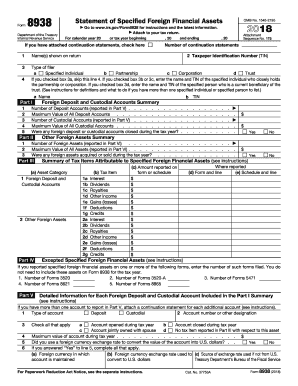
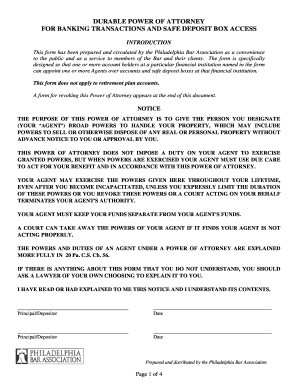
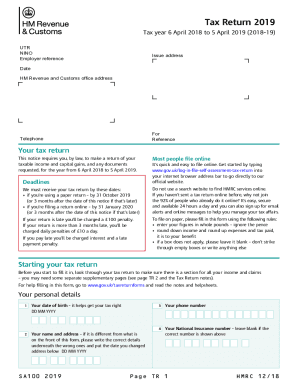
Multifamily inspection checklist 2026

Get Form
multifamily inspection checklist Preview on Page 1

Here's how it works

01. Edit your multifamily inspection checklist online
Type text, add images, blackout confidential details, add comments, highlights and more.

02. Sign it in a few clicks
Draw your signature, type it, upload its image, or use your mobile device as a signature pad.

03. Share your form with others
Send multifamily inspection checklist via email, link, or fax. You can also download it, export it or print it out.

Understanding the Multifamily Inspection Checklist

The multifamily inspection checklist is an essential document used in the real estate and property management industry. It helps ensure that all necessary inspections are conducted comprehensively and consistently across multiple units within a complex. Primarily, it serves to assess the safety, functionality, and compliance of various building components to maintain property standards and tenant satisfaction. Through systematic evaluations, property managers and inspectors can identify and address issues proactively.

Key Elements of the Multifamily Inspection Checklist

The checklist covers numerous aspects of a multifamily property, ensuring a thorough inspection of structural and functional components. Essential elements include:

  • Exterior Assessment: Examines the building's façade, roofing, and landscaping to ensure there are no safety hazards or aesthetic issues.
  • Interior Inspection: Focuses on various units, including checks on walls, ceilings, flooring, and overall living conditions.
  • Plumbing and Electrical Systems: Evaluates water flow, piping integrity, electrical wiring, and fixtures to prevent potential problems.
  • Safety Features: Includes checking smoke detectors, fire extinguishers, carbon monoxide detectors, and emergency exits.

Steps to Complete the Multifamily Inspection Checklist

Properly completing the checklist involves a series of strategic steps to ensure nothing is overlooked:

  1. Preparation: Gather necessary documents, tools, and safety gear before starting the inspection.
  2. Exterior Checks: Begin with the building's exterior, noting any visible damage or required maintenance.
  3. Interior Walkthrough: Inspect each unit systematically, ensuring a consistent approach for all areas.
  4. Mechanical Systems: Test heating, ventilation, air conditioning, and plumbing systems.
  5. Record Findings: Document all observations, whether compliant or requiring action, on the checklist.

How to Use the Multifamily Inspection Checklist

Effectively utilizing the checklist involves a disciplined approach to ensure all areas are thoroughly reviewed. The following guidelines enhance its utility:

  • Follow a Systematic Order: Adhering to a predefined sequence prevents missing critical inspection areas.
  • Use Checkmarks or Notes: Clearly mark each inspected element. Detailed notes help clarify any issues for future reference.
  • Consistent Review Schedule: Regular inspections, typically quarterly or bi-annually, ensure ongoing compliance and early identification of issues.

Examples of Using the Multifamily Inspection Checklist

Real-world scenarios illustrate the checklist's effectiveness:

  • Tenant Move-In/Out: Conducting inspections during these periods ensures units are turned over in optimal condition, reducing future complaints.
  • Routine Maintenance Checks: Identifying wear and tear enables preventative maintenance, extending the lifespan of building components.

Importance of the Multifamily Inspection Checklist

Inspections using this checklist are vital for several reasons:

  • Regulatory Compliance: Ensures the property meets safety and building codes, preventing legal issues.
  • Preservation of Property Value: Regular inspections help maintain the property's condition, safeguarding its long-term value.
  • Tenant Satisfaction: Proactive maintenance and prompt issue resolution enhance the living experience for tenants.

Who Typically Uses the Multifamily Inspection Checklist

Various stakeholders rely on this checklist, including:

  • Property Managers: Oversee the condition and maintenance of multifamily properties.
  • Real Estate Investors: Use inspections to assess property value and potential return on investment.
  • Insurance Assessors: Evaluate risk and determine appropriate coverage levels.
decoration image ratings of Dochub

State-Specific Rules for the Checklist

While the checklist provides a general framework, specific state regulations may influence its application. For instance:

  • In California, seismic safety assessments are a legal requirement for multifamily buildings.
  • New York mandates compliance with energy efficiency standards, necessitating specific inspections.

Obtaining the Multifamily Inspection Checklist

This checklist can be sourced from several locations:

  • Industry Associations: Organizations like the National Apartment Association provide standardized templates.
  • Online Resources: Numerous real estate and property management websites offer downloadable checklists.
  • Custom Development: Property managers or building owners may develop tailored checklists to suit unique property needs.

Legal Use of the Multifamily Inspection Checklist

Using the checklist in a legal context involves understanding relevant regulations:

  • Documentation: Maintain thorough records of all inspections, as they may be needed for legal or insurance claims.
  • Compliance Verification: Utilize the checklist to verify adherence to building codes and safety standards.

By leveraging the multifamily inspection checklist effectively, stakeholders ensure properties remain in optimal condition, providing safety and comfort to tenants while protecting the asset's value. This structured approach not only meets legal obligations but also enhances property management efficiency.

be ready to get more

Complete this form in 5 minutes or less

Get form

Got questions?

We have answers to the most popular questions from our customers. If you can't find an answer to your question, please contact us.
Contact us
An inspection checklist (sometimes called an inspection sheet) is a structured list of tasks that must be completed during an inspection. It helps ensure compliance with safety regulations, industry standards, or maintenance requirements.
Apartment rental inspection checklist Check the walls and ceilings for any signs of damage. Inspect the floors for any s. Check the windows and doors to ensure theyre intact and working properly. Identify any evidence of pests or insects in the apartment.
What Can a Landlord Look at During Inspections? Broken or damaged appliances. Broken tiles or damaged wood floors. Large stains or rips in the carpets. Signs of smoking in a non-smoking apartment. Unsanitary conditions like mold or mildew. Water damage.
No. A landlord can enter to ``inspect the premises itself (under certain conditions as provided in your lease) but they cannot ``search your personal property without your consent, or a court order.
Here are the five questions you need to ask when analyzing a multifamily investment: What is the going-in cap rate? What is the price per unit? What about debt? Loss to lease, or rental growth? What is the exit cap rate?

Security and compliance

At DocHub, your data security is our priority. We follow HIPAA, SOC2, GDPR, and other standards, so you can work on your documents with confidence.

Learn more
ccpa2
pci-dss
gdpr-compliance
hipaa
soc-compliance
be ready to get more

Complete this form in 5 minutes or less

Get form

People also ask

A rental inspection consists of a landlord or property owner auditing the interior (and exterior if applicable) of a rental unit to identify maintenance issues, the propertys current condition, and future renovation opportunities.
Inside of all appliances must be cleaned thoroughly etc walls from floor (or baseboard heating) to ceiling floors inside and outside of cabinets casing for baseboard heaters needs to be cleaned interior of windowless, blinds need to be cleaned any carpeting needs to be steam cleaned etc
The most common forms of damage to look for are: Unapproved renovations. Rips, tears, or stains on the carpet. Broken tiles, loose floorboards, or significant stains on the flooring. Large holes in the walls. Marks on the wall that require painting over. Broken appliances, such as kitchen, bathroom, or light fixtures.

Related links