
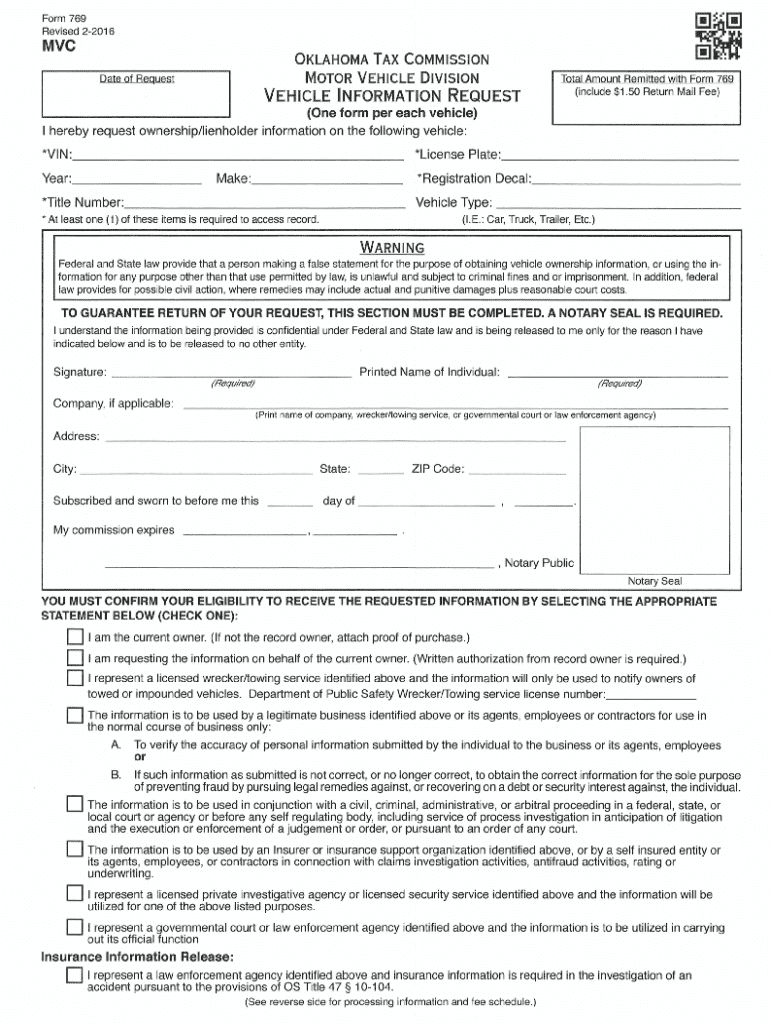







Definition & Meaning of Form Online
The term "form online" refers to a digital version of conventional paper forms, accessible through internet-enabled devices. These forms are used to collect, manage, and process data efficiently. The benefits of using online forms include streamlining workflows and minimizing errors associated with manual data entry. Examples of online forms include surveys, applications, and legal documents that require user input through an interface that replicates traditional paper form design.
How to Use the Form Online
When interacting with an online form, users typically follow a series of steps to ensure accurate completion:
- Access the Form: Locate the form through a provided link or by navigating to the hosting platform, such as a government or business website.
- Review Instructions: Carefully read any guidelines or instructions associated with the form to understand what information is required.
- Complete Fields: Fill in the necessary fields, ensuring accuracy in names, dates, and other critical data. Many online forms offer various types of input fields, such as text boxes, checkboxes, and dropdown menus.
- Review and Submit: Double-check all entered information before submitting. Some platforms allow you to save progress, enabling you to return to incomplete forms later.
Steps to Complete the Form Online
To effectively complete an online form, users can follow these detailed guidelines:
- Gather Required Information: Before starting, collect all necessary information and documents, such as identification numbers, addresses, and relevant documentation.
- Ensure Compatibility: Confirm that your device and browser meet the form's technical requirements to avoid submission issues.
- Confirm Security: Verify that the form uses secure protocols, especially if it involves sensitive or personal data.
- Follow Form-Specific Instructions: Some forms may have unique navigation elements or mandatory sections that demand attention.
- Signature and Authentication: If required, apply an electronic signature using the options provided by the platform, ensuring compliance with legal stipulations.
Why You Should Use Form Online
The adoption of online forms offers several advantages over traditional paper forms:
- Efficiency and Speed: Online forms reduce processing time, with data transmitted instantly to the database or the relevant department.
- Cost-Effectiveness: Saving on paper and administrative costs makes online forms a budget-friendly option.
- Environmental Impact: By reducing paper usage, organizations contribute to environmental sustainability.
- Data Accuracy: Built-in validation checks in online forms help minimize errors, ensuring more reliable data collection.
Who Typically Uses the Form Online
Online forms are utilized by a broad spectrum of users, depending on the purpose of the form:
- Businesses: Use forms for onboarding, feedback collection, and customer service.
- Government Agencies: Offer applications for permits, licenses, and public services.
- Educational Institutions: Collect student information for admissions and registrations.
- Healthcare Providers: Facilitate patient intake forms and consent documents.


Key Elements of the Form Online
Understanding the core components of an online form aids in efficient completion:
- Input Fields: Spaces for users to enter information, such as text fields for personal information and checkboxes for preferences.
- Validation Rules: Ensure that data formats (e.g., email addresses) adhere to correct formats.
- Submit Button: A crucial element that finalizes the form submission process, often paired with a confirmation message.
- Navigation Controls: Enable users to move through multipage forms seamlessly.
Important Terms Related to Form Online
Familiarity with the following terms aids in understanding and completing online forms:
- Responsive Design: Ensures the form is accessible and usable on various devices.
- Encryption: Protects data transmitted through the form, especially sensitive information.
- Captcha: A security feature used to prevent automated form submissions by robots.
Legal Use of the Form Online
When utilizing online forms, consider the following legal implications:
- Electronic Signatures: Many online forms allow for digital signatures that are legally binding under acts such as the ESIGN Act.
- Data Privacy Laws: Compliance with laws such as GDPR or CCPA, which govern how user data must be handled and protected.




