




Definition and Meaning of the Affidavit of Fabric Origin
An Affidavit of Fabric Origin is a formal declaration confirming that a specific fabric was manufactured in the United States. This document certifies the conditions under which the fabric can be labeled as 'Made in the USA' or 'Knitted in the USA of Imported Yarn.' It outlines essential details such as the origin of the yarn and fabric, the manufacturing facility's location, and the signature of the converting manager. This affidavit is crucial for businesses that want to attest to and promote the American origin of their textile products.
Steps to Complete the Affidavit of Fabric Origin
Completing the Affidavit of Fabric Origin involves several key steps:
- Gathering Information: Collect detailed data about the textile, including the source of the yarn and fabric, the manufacturing facility's location, and production details.
- Filling Out the Form: Use the gathered information to fill in the affidavit form accurately. This includes indicating whether the fabric is 'Made in the USA' or 'Knitted in the USA of Imported Yarn.'
- Verification: Ensure all the information provided is accurate and complete. Verification of the details by authorized personnel at the manufacturing facility is critical.
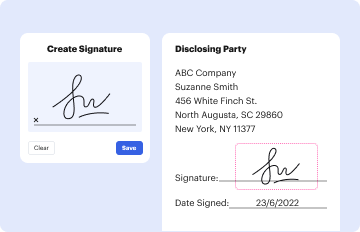
- Signature: The converting manager must sign the affidavit to validate the information presented.
How to Use the Affidavit of Fabric Origin
The affidavit is used to officially certify the origin of fabric for marketing, compliance, and supply chain transparency. It allows businesses to:
- Market Products: Use terms like 'Made in the USA' to appeal to consumers who prefer domestically produced goods.
- Comply with Trade Regulations: Meet labeling requirements mandated by the Federal Trade Commission and other regulatory bodies.
- Verify Supply Chain: Provide supply chain partners and customers with verified, transparent origin information.
Who Typically Uses the Affidavit of Fabric Origin
This affidavit is widely used by:
- Textile Manufacturers: Companies involved in the production of fabrics that require a declaration of origin for labeling and promotional purposes.
- Retailers: Businesses selling apparel and textile products to satisfy consumer demand for American-made goods.
- Customs and Trade Authorities: Regulatory bodies might require this affidavit to ensure compliance with trade agreements and tariffs.


Key Elements of the Affidavit of Fabric Origin
Certain fundamental elements are crucial in the affidavit:
- Manufacturing Facility Details: Includes the name and address where the fabric was produced or converted.
- Fabric Description: Detailed information about the fabric, including type, composition, and production details.
- Origin Statement: A declaration about whether the fabric is 'Made in the USA' or 'Knitted in the USA of Imported Yarn.'
- Manager’s Signature: The converting manager's signature is necessary for validation.
Legal Use of the Affidavit of Fabric Origin
The affidavit serves several legal purposes:
- Regulatory Compliance: Ensures adherence to labeling laws and regulations laid out by entities such as the Federal Trade Commission.
- Trade and Customs Requirements: Satisfies requirements for export and import, helping to prevent delays and compliance issues.
- Contractual Agreements: Can be used in contracts where the origin of material is a stipulation.
State-Specific Rules for the Affidavit of Fabric Origin
Although the affidavit generally adheres to national standards, some states might have specific regulations or additional requirements. It is crucial to:
- Research State Laws: Understand any state-specific requirements about textile labeling and origin certification.
- Consult with Legal Experts: Engage with legal experts who specialize in trade and manufacturing regulations to ensure comprehensive compliance.
Important Terms Related to the Affidavit of Fabric Origin
Understanding key terms related to the affidavit is essential:
- 'Made in the USA': A label indicating that the product was manufactured in the United States.
- 'Knitted in the USA of Imported Yarn': Specifies that the knitting process occurred domestically, but the yarn used was sourced from another country.
- Converting Manager: A designated individual responsible for the production and conversion processes within the fabric manufacturing facility.
Examples of Using the Affidavit of Fabric Origin
Consider these scenarios for practical applications:
- Apparel Manufacturers: A clothing company uses the affidavit to label its garments as 'Made in the USA,' boosting consumer trust and preference.
- Exporters: A textile exporter includes the affidavit with its shipments to prove the fabric’s origin, facilitating smoother customs clearance and compliance with international trade agreements.
- Retail Chains: A retail chain demands affidavits from suppliers to ensure that the 'Made in the USA' claims on their products are substantiated, which enhances their brand reputation.