






Definition and Meaning of the Medical Report for Guardianship
A "Medical Report for" guardianship is a crucial document used to provide comprehensive medical information about an individual who is mentally incapacitated. It is primarily meant for the evaluation by a Guardianship Board deciding whether a guardianship order should be renewed or established. The report typically includes detailed data about the person's mental condition, including diagnosis, current treatments, limitations in decision-making capacity, and information about the medical practitioner conducting the assessment. This document helps in forming an objective view of the individual's ability to manage their affairs independently and aids in safeguarding their interests.
How to Use the Medical Report for Guardianship
The medical report is utilized by several parties, including legal representatives, family members, and the Guardianship Board itself. It serves as:
- A diagnostic tool: Provides detailed insight into the individual's psychiatric state.
- A legal decision aid: Assists the board in legal determinations regarding the ongoing need or renewal of a guardianship order.
- A communication medium: Facilitates discussions among healthcare providers, social workers, and legal entities regarding the best interests of the incapacitated person.
Users must carefully fill out all sections of the form to ensure an accurate reflection of the individual's mental health status.
How to Obtain the Medical Report for Guardianship
To secure this form, follow these steps:
- Consultation with a Medical Practitioner: Engage a licensed healthcare provider familiar with the individual's medical history.
- Request from Legal Authorities: Depending on the state, the form may be available through guardianship courts or legal offices handling such cases.
- Legal Counsel: A lawyer specializing in guardianship can assist in acquiring and completing the form.
It is crucial to ensure that the form is the correct version and up-to-date as per local requirements.
Steps to Complete the Medical Report for Guardianship
- Patient Information: Enter detailed personal information about the individual under assessment.
- Medical Assessment: The healthcare provider should fill in the diagnosis, current treatment plan, and specific observations about the patient's mental capacity.
- Recommendation: The practitioner provides a professional opinion on whether the guardianship should be continued or reassessed.
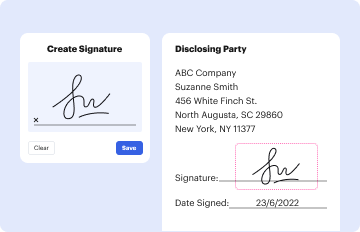
- Signature and Date: The practitioner must sign and date the report for validation.
Attention to detail is vital to avoid the need for resubmission due to incomplete or inaccurate entries.
Who Typically Uses the Medical Report for Guardianship
This medical report is predominantly utilized by:
- Guardianship Boards: For evaluating the necessity and terms of a guardianship order.
- Family Members: Concerned relatives who are part of or initiating guardianship proceedings.
- Legal Professionals: Lawyers representing either the incapacitated individual or those petitioning for guardianship.
The objective is to protect the interests of individuals with limited capacities while ensuring their rights and needs are adequately represented.


Key Elements of the Medical Report for Guardianship
Critical components of the report include:
- Personal Information: Details about the individual, including full name, date of birth, and address.
- Medical Practitioner Details: The name, credentials, and contact information of the registered medical professional completing the evaluation.
- Mental Condition Report: In-depth analysis covering diagnosis, current treatments, mental capacities, and limitations.
- Legal Recommendations: Advice on whether continuing, amending, or ending the guardianship is advisable based on medical findings.
These elements form the backbone of the document's utility in legal and medical contexts.
Legal Use of the Medical Report for Guardianship
The medical report holds substantial legal importance. It helps legal bodies:
- Decide on Guardianship Needs: By evaluating whether an individual lacks the capacity to manage their affairs safely.
- Provide Evidence in Court: Used to substantiate claims regarding an individual's need for protective legal frameworks.
The accuracy of the report is crucial, as it forms the foundation for potentially life-altering legal decisions.
State-Specific Rules for the Medical Report for Guardianship
Each state in the U.S. may have distinct rules regarding the form:
- Format and Content Requirements: Variances in the level of detail required or specific sections that must be included.
- Submission Guidelines: Differences in how and where forms should be submitted, who must complete it, and deadlines for submission.
It is important to consult local legal guidelines or speak with a legal expert to ensure compliance with state-specific mandates.