




01. Edit your form online
Type text, add images, blackout confidential details, add comments, highlights and more.

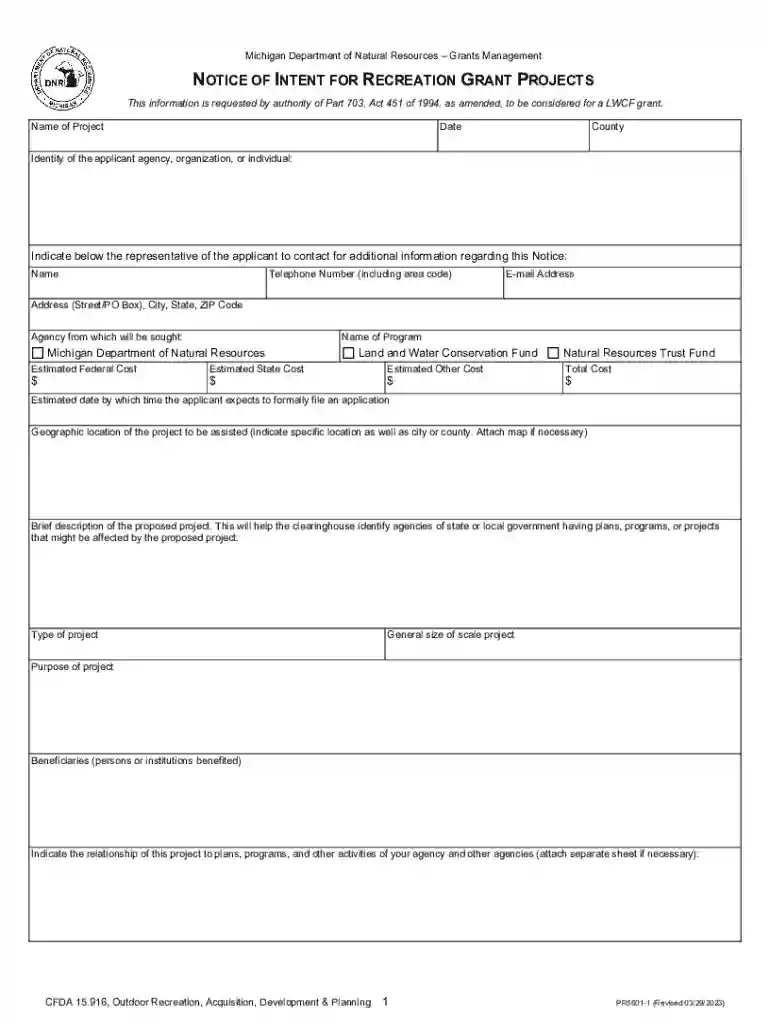
Type text, add images, blackout confidential details, add comments, highlights and more.

Draw your signature, type it, upload its image, or use your mobile device as a signature pad.

Send it via email, link, or fax. You can also download it, export it or print it out.
Protecting coastal waters from vessel and marina discharges is a critical initiative aimed at safeguarding marine environments from pollution caused by boats and marinas. This involves implementing regulations and best practices to prevent harmful substances like oil, sewage, and chemicals from being discharged into the ocean or waterways, which can have detrimental effects on marine ecosystems and human health. The purpose of these protections is to maintain clean and healthy waterways that support biodiversity, commercial fishing, tourism, and recreational activities.
The significance of protecting coastal waters from vessel discharges cannot be overstated. These waters are home to diverse marine life and are crucial for maintaining ecological balance. When vessels release pollutants, they can disrupt this balance, leading to adverse effects such as the death of marine species, degradation of coral reefs, and contamination of seafood, which poses risks to human health. Furthermore, clean coastal waters are essential for tourism and local economies, particularly in regions where water sports and beach activities are major attractions. By preventing boat-related pollution, we safeguard these natural and economic resources.
Gather Required Information: Begin by collecting necessary data about your vessel or marina, including size, type, and operational details. Document any existing waste management systems or practices.
Understand Regulations: Familiarize yourself with relevant local, state, and federal regulations that dictate the discharge standards for vessels and marinas.
Complete the Form: Fill out the form with accurate and comprehensive information pertaining to your vessel or marina's discharge practices. Include details about compliance measures and waste management systems in place.
Attach Supporting Documents: Provide supplementary materials such as schematics of waste disposal systems, compliance certificates, and maintenance records to support your application.
Submit the Form: Follow the specified submission instructions, ensuring that all fields are filled correctly. Forms can typically be submitted online, via mail, or in-person at designated offices.
The form for protecting coastal waters from discharges includes several key sections:
Adhering to the regulations for protecting coastal waters is not only a moral obligation but also a legal requirement. Non-compliance can result in severe penalties, including fines and revocation of operational permits. Compliance ensures that vessels and marinas contribute positively to environmental conservation efforts while avoiding legal repercussions. It is crucial for operators to stay updated on regulatory changes and ensure continuous adherence to the standards set by authoritative bodies.
Coastal states may have unique regulations and guidelines regarding vessel and marina discharges. For example, California may impose stricter emission standards compared to other states, due to its extensive coastline and heavy marine traffic. Operators need to be aware of these variations and ensure their practices are compliant with state-specific requirements. Understanding these differences is vital for businesses operating across multiple states, making it necessary to consult regional authorities or environmental agencies for detailed regulations.
Case Study: Eco-Friendly Marinas: Some marinas have adopted advanced waste treatment systems and eco-friendly practices, serving as models for environmental stewardship. They often engage in community education initiatives to spread awareness about the importance of reducing marine pollution.
Innovations in Vessel Design: Certain vessel manufacturers now integrate design features that minimize discharge potential, such as more efficient waste management systems and the use of biodegradable materials.
Failure to adhere to the regulations can lead to significant penalties, such as:
To mitigate these risks, it is essential for vessel and marina operators to remain vigilant and proactive in their compliance efforts.
We've got more versions of the Protecting Coastal Waters from Vessel and Marina Discharges form. Select the right Protecting Coastal Waters from Vessel and Marina Discharges version from the list and start editing it straight away!
At DocHub, your data security is our priority. We follow HIPAA, SOC2, GDPR, and other standards, so you can work on your documents with confidence.
This rule provides the requirements for participation in the Clean Vessel Act Grant Program authorized by Section 5604 of the Clean Vessel Act of 1992. and
Protecting coastal waters from vessel and marina discharges : a guide for state and local officials. ; Description, volumes : illustrations, maps ; Subjects.
ChInas MarIne EnvIronmental ProtectIon Law also stIpulates that those who dIscharge pollutants Into the sea must pay sewage charges, and those who dump


