







Definition & Meaning
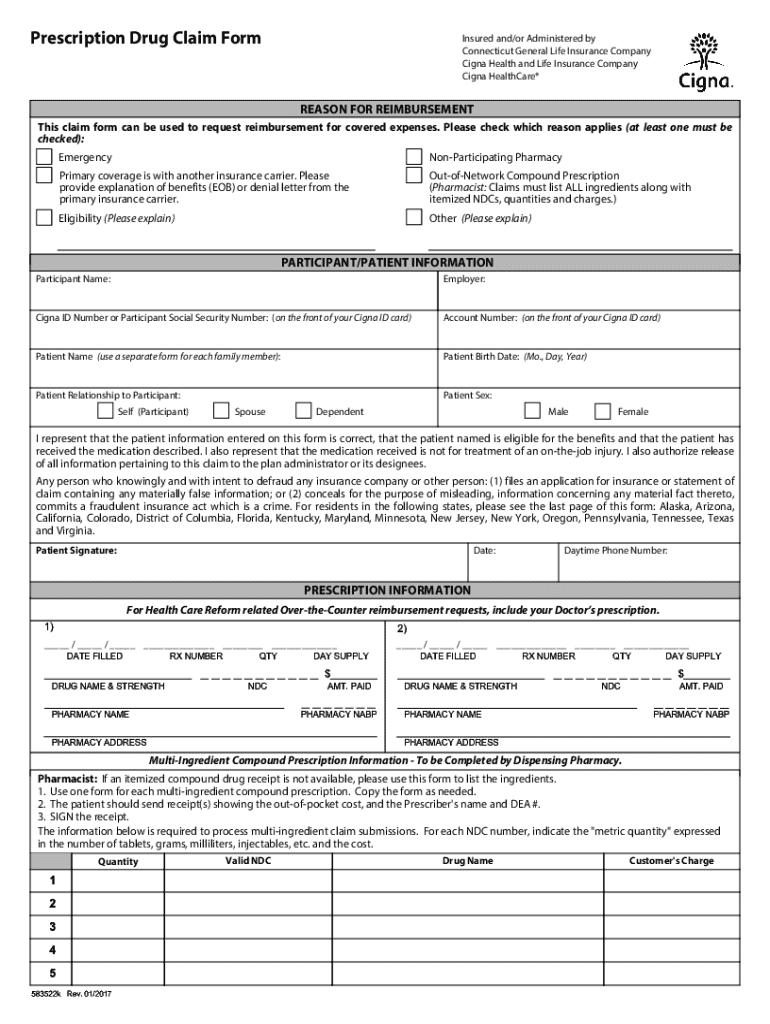
The "Did You Pay Out-Of-Pocket" form is typically used to document and request reimbursement for expenses that an individual initially paid by themselves, without the assistance of insurance or coverage from a third-party payer. This type of form is crucial in various contexts such as healthcare, insurance claims, or employee reimbursements where clarity on out-of-pocket expenses is necessary. The primary objective is to ensure that individuals are appropriately reimbursed for qualifying expenses, with evidence of payment and service provided.
Steps to Complete the Did You Pay Out-Of-Pocket Form
Completing the "Did You Pay Out-Of-Pocket" form involves several key steps:
-
Collect Required Information: Gather all necessary details, including personal identification, payment proof, service provider’s information, and detailed invoices of the services rendered.
-
Fill Out Personal Information: Include your full name, contact details, and policy number or employee ID depending on the context in which the form is used.
-
Detail the Service or Product: Specify what service or product was paid for out-of-pocket. This includes the date of purchase or service, description of the service, and the total amount paid.
-
Attach Supporting Documents: Attach invoices, receipts, and any applicable authorizations that can substantiate the claim for reimbursement.
-
Review and Sign: Double-check all entered information for accuracy. Sign and date the form to validate its authenticity before submission.
Who Typically Uses the Did You Pay Out-Of-Pocket Form
This form is predominantly used by:
- Patients in Healthcare Settings: Individuals who paid for medical expenses prior to insurance reimbursement.
- Employees Requesting Work Expense Reimbursements: Workers who cover job-related expenses and seek reimbursement from employers.
- Policyholders in Insurance Claims: Individuals navigating insurance claim processes for costs initially met without insurance aid.


Required Documents
To successfully complete and submit the "Did You Pay Out-Of-Pocket" form, several documents are typically required:
- Proof of Payment: Copies of payment receipts or bank statements showing the transaction.
- Service Documentation: Detailed invoices or bills from the service provider.
- Insurance or Employer Details: If applicable, show eligibility documentation such as insurance policy numbers or employment ID numbers.
Key Elements of the Did You Pay Out-Of-Pocket Form
The form generally comprises several important sections, including:
- Personal and Contact Information: The claimant's details, ensuring accurate communication lines.
- Expense Details: A comprehensive account of the expenses incurred, including exact amounts, dates, and descriptions.
- Payment Proof Section: Space allocated for indicating and attaching proof of payment.
Legal Use of the Did You Pay Out-Of-Pocket Form
When using the form legally, it's essential to:
- Ensure Honest Reporting: Only include accurate, truthful information; fraudulent claims can lead to legal repercussions.
- Comply with Relevant Jurisdictions: Adhere to state or federal guidelines applicable to reimbursements and documentation.
- Confidentiality Obligations: Handle all sensitive information, such as social security numbers and account details, with appropriate privacy measures.
Form Submission Methods
You can submit the "Did You Pay Out-Of-Pocket" form through:
- Online Platforms: Most organizations now provide electronic submission options via email or their websites.
- Physical Mail: A traditional method where completed forms with all attached documentation are sent through postal services.
- In-Person Submissions: Hand-delivering at specific offices for immediate review or processing.
State-Specific Rules for the Did You Pay Out-Of-Pocket Form
Different states may have varied requirements regarding this form. It is important to:
- Understand Regional Variations: Be aware of state-specific rules that might impact reimbursement claims, like time limits within which claims must be filed.
- Abide by Local Tax Laws: Each state may have unique tax implications for reimbursements, affecting how claims and out-of-pocket expenses are treated.
Digital vs. Paper Version
The form is often available in both digital and paper formats, each with distinct advantages:
- Digital Formats: Offer a quicker, more eco-friendly way to submit forms with built-in error checking.
- Paper Formats: Sometimes necessary for records or organizations that require physical signatures or have not transitioned to digital processes.
Ensuring comprehensive, document-backed, and properly formatted submissions will facilitate smoother reimbursement processes and reduce delays in receiving funds.




