







Definition and Meaning
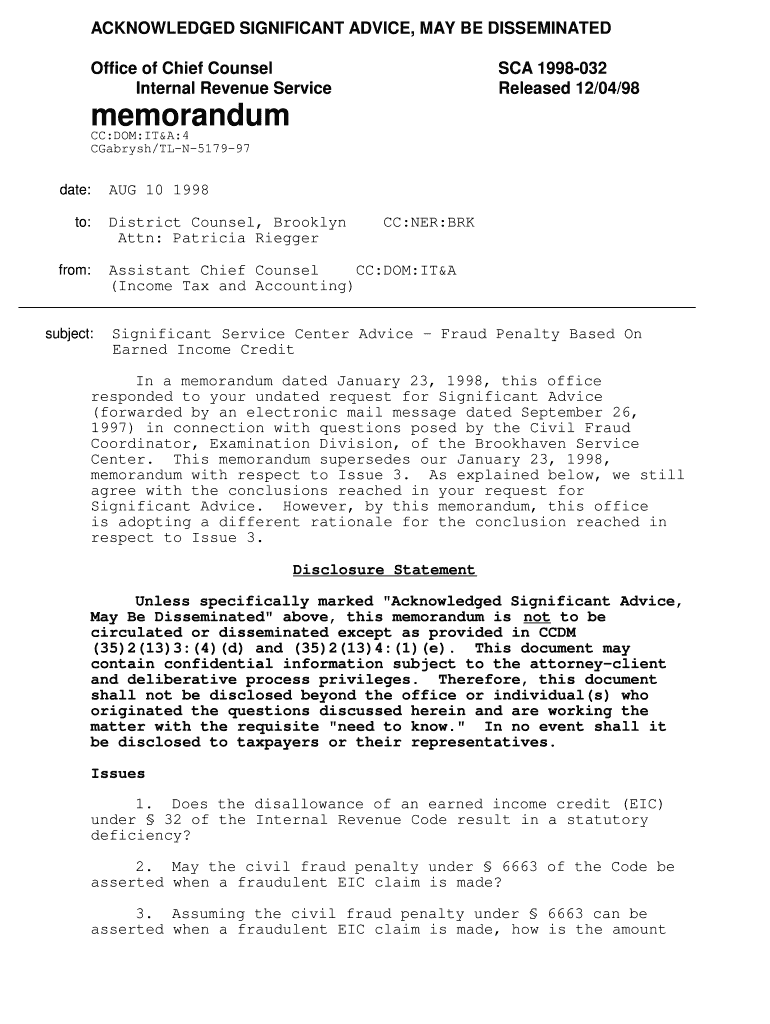
The "Form File - Office of Chief Cou PFP#1280 Fall Joint Board Examination Program Booklet - i" refers to a specific document likely associated with the Internal Revenue Service (IRS) or another governmental body. While the exact function of the form isn't directly clear from its title alone, it seems to be a booklet or record used for an examination program, potentially designed for evaluation or certification purposes. These types of forms are crucial for maintaining records, assessments, and official communications within government agencies or between them and other entities.
How to Use the Form File
Using this form involves several steps, oriented around completion, submission, and review. Users should first ensure they have obtained the latest version of the document, as older copies might contain obsolete or incorrect information. Upon acquisition, review the form thoroughly to understand all sections and requirements:
- Review Instructions: Carefully read through any accompanying instructions. This will guide you on how to properly fill out each section.
- Gather Necessary Information: Collect any data, documents, or details required for completion. This can include personal identifiers, work history, or other applicable information.
- Complete Form Fields: Fill in each section with accuracy. Typically, these forms require precise data entry, so double-checking is advisable.
- Verify Completed Information: After filling out the form, review all inputs for correctness and completeness to avoid any potential issues with submission.
Steps to Complete the Form File
Filling out this form requires adherence to specific procedures. Here is a breakdown:
- Preparation: Obtain the latest version of the form. Check that all required fields are present and legible.
- Identify Required Information: Look for an information section detailing what needs to be included in your submission.
- Fill Section by Section: Progress through the form systematically, completing one section at a time.
- Use black ink for physical forms unless specified otherwise.
- For digital forms, ensure you have the correct software to open and edit the document.
- Double-Check Entries: Reflect on each entry you've made to confirm it’s accurate and truthful.
- Finalize the Form: Once you're satisfied with the input, proceed to sign and date where necessary.
Key Elements of the Form
Several vital components usually feature within such a form:
- Personal Information: Essential details like name, address, and contact information.
- Tracking Numbers/IDs: These may include a specific program number or form identification code.
- Instruction Section: Guidelines or directives on properly completing or utilizing the document.
- Certification or Declarations: Statements where the filer attests to the truthfulness and accuracy of provided information.
- Submission Details: Information on how and where to send the final form, including mode of submission (mail, online).
Important Terms Related to the Form
Understanding the form involves knowing crucial terminologies:
- PFP#: This may refer to a unique program file or processing identifier.
- Joint Board Examination: Likely a type of certification or assessment conducted in cooperation with various authorities or departments.
- Office of Chief Counsel: Generally refers to the legal body or advisory division within a government agency, such as the IRS.
Required Documents
To properly complete the form, related documents might be necessary:
- Proof of Identity: Such as a government-issued ID or social security number.
- Previous Certifications or Scores: If the form is for educational or professional assessments.
- Related Financial Records: Especially if any financial evaluation or history is part of the form's requirements.
Eligibility Criteria
This document might be applicable for specific individuals:
- Eligibility Requirements: Anyone filling out the form will likely need to meet certain qualifications, like being part of a specific demographic or having a certain status.
- Prerequisites: Previous certifications or documentation may be needed to qualify for participation.


Digital vs. Paper Version
Understanding how to work with different formats is essential:
- Digital Format: Convenient for online submissions, requires appropriate software like Adobe Acrobat.
- Paper Format: Traditional and might be necessary for formal submission processes where digital submissions aren’t allowed.
Filing Deadlines and Important Dates
Timeliness is crucial for such forms:
- Filing Window: Be aware of any deadlines for submission. This could affect eligibility or processing priority.
- Key Dates: Mark submission dates on a calendar to avoid missing important deadlines, affecting outcomes or reviews.
Penalties for Non-Compliance
Failure to adhere to guidelines can lead to consequences:
- Penalties: Non-compliance in form submission or providing inaccurate information may result in fines or further legal actions.
- Delayed Processing: Incorrect submissions can delay processing times significantly.
Legal Use of the Form
The form should be used in compliance with regulations:
- Compliance Requirements: Understand the legal implications of the form's use, ensuring it’s filled out in accordance with applicable laws.
- Authorized Use: Ensure you are authorized to complete and submit it under legal standards.




