01. Edit your form online
Type text, add images, blackout confidential details, add comments, highlights and more.

Type text, add images, blackout confidential details, add comments, highlights and more.

Draw your signature, type it, upload its image, or use your mobile device as a signature pad.

Send it via email, link, or fax. You can also download it, export it or print it out.
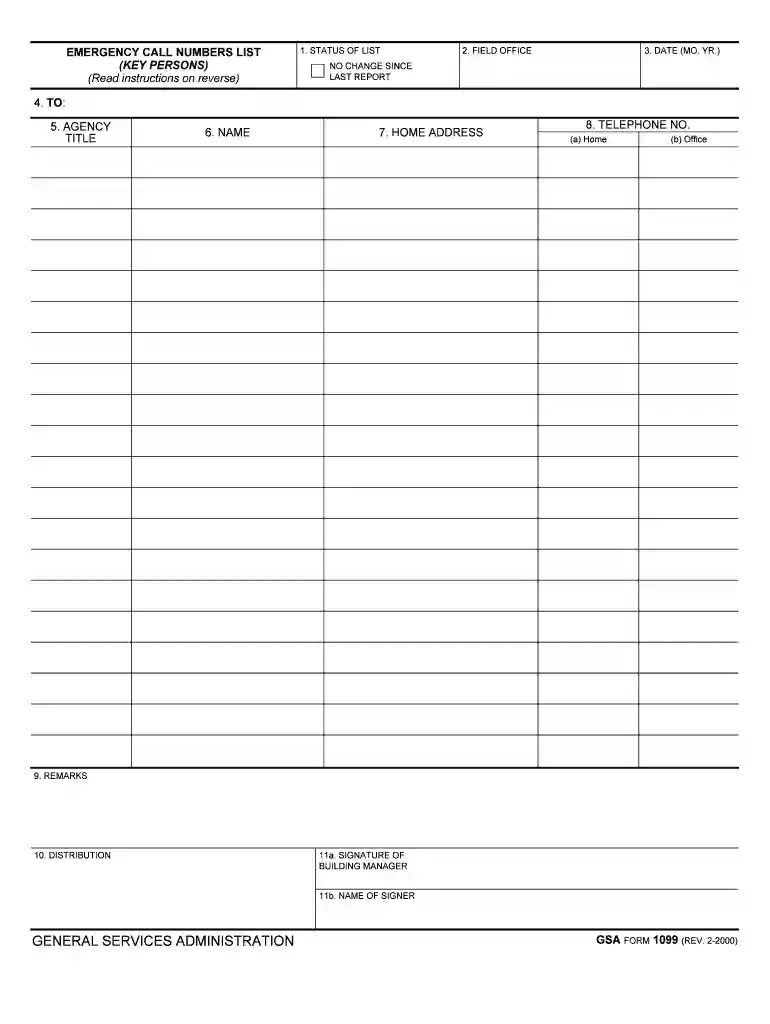
The Emergency Call Numbers List is a critical document designed to streamline communication and ensure swift response in urgent situations. It provides a centralized repository of key contact information for essential personnel within various agencies or organizations. The primary function of this form is to facilitate quick communication during emergencies like civil disturbances, natural disasters, or utility failures by providing accurate and accessible phone numbers.
This list includes sections for personal details and agency-specific information, allowing for rapid identification and outreach to the necessary individuals. It emphasizes regular updates to maintain relevancy and effective distribution to ensure accessibility for building managers, security personnel, and other essential team members.
Gather Necessary Information:
Organize by Department or Agency:
Verify the Accuracy of Details:
Include Backup Contacts:
Establish Distribution Method:
Review and Approve:
This list is utilized by a diverse range of users across various sectors:


The creation and maintenance of an emergency call numbers list must comply with data protection laws, ensuring that personal information is used only for its intended purpose. This involves securing consent from individuals listed on the form and implementing measures to protect sensitive information from unauthorized access.
Different states may have varying regulations and protocols regarding emergency preparation and response. It’s critical to be aware of state-specific requirements for maintaining and distributing emergency call numbers lists. For example, some states may require additional certifications or specific data retention and access protocols.
For organizations using digital systems like DocHub, integration compatibility is essential. This allows easy sharing, updating, and accessing emergency call numbers lists across platforms, such as Google Workspace or other cloud storage services. Ensure that the software used supports the format and technical requirements of the digital emergency call numbers list for seamless operation.
By following these guidelines, organizations can effectively manage their emergency call numbers list to ensure rapid response and communication in crisis situations.
We've got more versions of the EMERGENCY CALL NUMBERS LIST form. Select the right EMERGENCY CALL NUMBERS LIST version from the list and start editing it straight away!
| Versions | Form popularity | Fillable & printable |
|---|---|---|
| 2000 | 4.8 Satisfied (116 Votes) |
At DocHub, your data security is our priority. We follow HIPAA, SOC2, GDPR, and other standards, so you can work on your documents with confidence.