







Definition and Meaning of PURCHASE DESCRIPTION ACTION
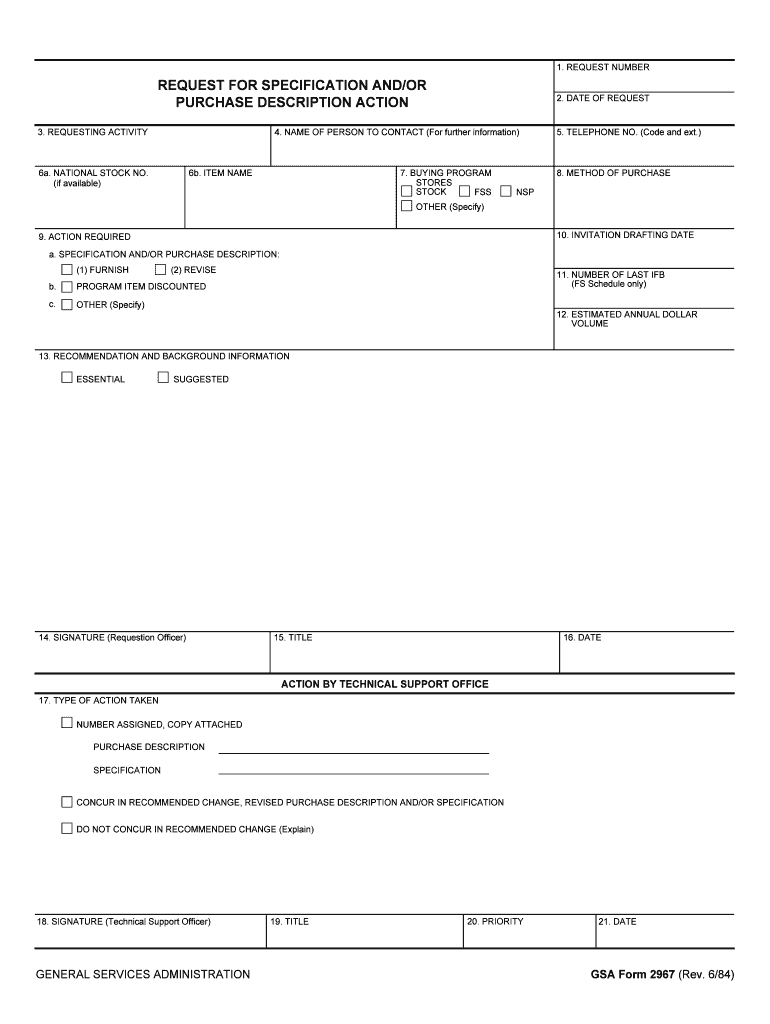
"Purchase Description Action" refers to a document or form used primarily in procurement processes. It is designed to specify and outline the details necessary for acquiring specific items or services. This form typically includes essential elements such as a detailed description of the item, quantity required, potential suppliers, cost estimates, and justification for the purchase. Understanding the purpose of this document is crucial for both buyers and suppliers as it ensures clarity and alignment on what needs to be delivered.
Key Elements of the PURCHASE DESCRIPTION ACTION
- Request Number: Identifies each purchase action uniquely for tracking and future reference.
- Date and Time: Marks when the purchase request was made, aiding in prioritization and audit trails.
- Contact Information: Includes the name and contact details of the person requesting the purchase, facilitating communication.
- Item Description: A detailed account of the item or service required, specifying any important characteristics or specifications.
- Quantity: Specifies the amount needed, which impacts budget planning and vendor negotiations.
- Vendor Information: Lists recommended or pre-approved vendors from whom the item or service can be obtained.
- Cost Estimates: Provides an anticipated cost, which aids in budgeting and financial approval processes.
These elements enable comprehensive documentation, aligning expectations and ensuring stakeholders are informed and prepared for subsequent procurement stages.
How to Use the PURCHASE DESCRIPTION ACTION
Using the Purchase Description Action form involves several steps designed to streamline the purchase process and ensure all necessary details are captured.
- Compile Required Information: Gather all relevant details about the product or service being requested, including specifications and supplier preferences.
- Complete the Form: Enter the data into the appropriate fields, ensuring accuracy and thoroughness. Check for any mandatory fields that need special attention.
- Submit for Approval: Once filled, the form must be submitted to the appropriate department or authority for review and approval. This step often requires the signature of a supervising manager or procurement officer.
- Follow Up and Track Progress: After submission, it's essential to track the form through the approval process, addressing any queries or additional requirements that may arise.
By following these steps, individuals and businesses can effectively manage purchases, ensuring efficiency and compliance.
Steps to Complete the PURCHASE DESCRIPTION ACTION
Completing the Purchase Description Action form involves several specific actions, each designed to capture necessary data efficiently.
- Identify the Need: Clearly state why the purchase is needed, providing any context or previous discussions that justify the action.
- Detail the Item Description: Provide precise details about the item, including size, color, model, or any other distinguishing characteristic that aids in its identification.
- Estimate Costs: Provide an approximate cost, including taxes and shipping, to aid financial planning and negotiations.
- Choose the Supplier: Indicate preferred suppliers based on prior experience or vendor eligibility lists, ensuring quality and timely delivery.
- Specify Required Actions: Note any urgency or specific timelines that must be met for order processing, delivery, or service provision.
Each of these steps contributes to a clear and comprehensive description action process, facilitating better resource management and procurement outcomes.
Important Terms Related to PURCHASE DESCRIPTION ACTION
Certain terms are crucial for understanding and effectively using the Purchase Description Action, clarifying roles and expectations.
- Procurement: The overarching process of acquiring goods and services, encompassing all actions from planning to payment.
- Requisition: An internal document used to request goods, forming the basis for the subsequent purchase order.
- Supplier/Vendor: The business or individual that supplies the goods or services.
- Budget: The allocated fiscal limit specified for the purchase, guiding financial decisions.
- Justification: The rationale offered for the purchase, detailing its importance and impact on operations.
Understanding these terms aids in effective communication and execution of purchase activities within an organization.
Legal Use of the PURCHASE DESCRIPTION ACTION
The legal facets of using the Purchase Description Action ensure adherence to compliance standards and mitigate risks associated with procurement.
- Contractual Obligations: Using this form may result in contractual commitments once approved, obligating parties to fulfill specified terms.
- Regulatory Compliance: Ensures adherence to internal policies and external regulations, reducing the risk of legal issues.
- Audit Trails: Allows for comprehensive tracking of purchasing actions, vital for audits and investigations.
- Conflict of Interest: Adhering to ethical considerations is essential, ensuring no personal gain from the procurement decisions.
These legal considerations ensure that procurement actions are transparent, fair, and uphold organizational and legal standards.
Who Typically Uses the PURCHASE DESCRIPTION ACTION
Several stakeholders within an organization or a business environment regularly interact with the Purchase Description Action form.
- Procurement Officers: Responsible for executing and managing purchasing actions, ensuring policy adherence and process efficiency.
- Department Heads: Initiate requests and provide justification for purchases, overseeing budget implications and approvals.
- Financial Officers: Review cost implications, ensuring purchase actions align with financial forecasts and constraints.
- Suppliers/Vendors: Respond to requests, providing quotations, and confirming availability of requested items or services.
These roles collectively guarantee that the process is thorough, cost-effective, and strategically aligned with organizational goals.


Examples of Using the PURCHASE DESCRIPTION ACTION
Practical examples illustrate how this form is applied in various scenarios, offering insights into its utility and adaptability.
- Office Supplies: A department needs new computers and uses the form to specify requirements, ensuring compatibility with existing systems.
- Service Contracts: A company requires janitorial services, and the form captures all service expectations, facilitating vendor selection.
- Construction Material: A project manager requests specialized materials, detailing specifications and timelines critical for project success.
These examples reveal the form's versatility, supporting a wide range of operational needs across different sectors.
State-Specific Rules for the PURCHASE DESCRIPTION ACTION
Different states may impose distinct regulations affecting the completion and processing of Purchase Description Action forms.
- State Procurement Guidelines: Some states have specific guidelines governing public purchasing, affecting available vendor choices.
- Tax Implications: Variations in state tax rates or exemptions can impact cost estimations and should be factored during form completion.
- Licensing Requirements: Certain purchases may require vendor licenses or certifications varying by state, influencing vendor eligibility.
Understanding these state-specific nuances helps streamline compliance, ensuring that purchases are lawful and efficient.




