Sseb screening 2026

Get Form
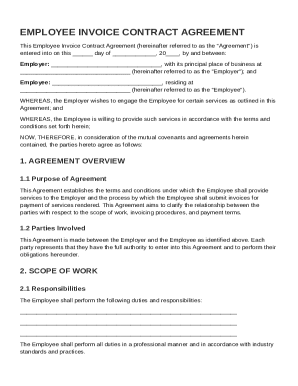
sseb screening Preview on Page 1

Here's how it works

01. Edit your sseb screening online
Type text, add images, blackout confidential details, add comments, highlights and more.

02. Sign it in a few clicks
Draw your signature, type it, upload its image, or use your mobile device as a signature pad.

03. Share your form with others
Send it via email, link, or fax. You can also download it, export it or print it out.

Definition & Meaning

The "SSEB Screening" refers to a specific evaluation process designed to assess certain eligibility criteria or qualifications. The term "SSEB" can apply to different contexts depending on the industry or regulatory requirements involving a screening process. This evaluation is typically required when specific standards or compliance measures must be met, such as medical qualifications, job suitability, or educational requirements. The screening process usually involves reviewing documentation, assessing qualifications, or testing certain competencies to ensure that all relevant conditions are satisfied.

How to Use the SSEB Screening

To effectively utilize the SSEB screening process, understanding its specific application is crucial. The process generally involves several steps depending on what is being screened. For instance, if used within a human resources context, it could entail verifying employment history and educational achievements. In contrast, medical screenings may involve clinical tests and symptom assessments. Understanding the procedural components and ensuring access to necessary tools and resources is essential for completing the screening accurately.

  • Identify the context of use, such as employment, medical checks, or educational assessments.
  • Gather and prepare all required documentation and information relevant to the screening.
  • Follow a structured methodology to conduct a comprehensive review or test as required.

Steps to Complete the SSEB Screening

Completing the SSEB screening involves several sequential steps, which can vary depending on the specific type of screening being performed. A detailed approach ensures thoroughness and accuracy:

  1. Pre-Screen Preparation: Determine the objective and criteria of the screening. Gather any required materials or documents, such as identification, previous records, or applications.

  2. Conduct the Screening: Follow a predetermined protocol. This could involve answering a questionnaire, undergoing clinical tests, or providing samples for laboratory analysis. Ensure all instructions are closely adhered to during this phase.

  3. Evaluation and Documentation: After conducting the screening, organize the gathered data or results into a clear format for analysis. Ensure that all required information is accurately recorded and complete.

  4. Review and Finalization: Conduct any needed reviews or evaluations by relevant authorities or personnel. Submit results to the necessary parties for final approval or further action if required.

Key Elements of the SSEB Screening

Several core components are integral to the SSEB screening, ensuring that it fulfills its intended purpose:

  • Criteria and Standards: Clearly defined metrics or benchmarks that the screening seeks to measure or verify.
  • Documentation and Records: Essential paperwork or digital records, including application forms, prior evaluations, or personal identification.
  • Assessment Procedures: The structured process for conducting the screening, which may involve various steps or tests.
  • Data Analysis and Interpretation: Mechanisms for evaluating the results, including methodologies for interpreting data or conducting follow-up actions based on findings.

Important Terms Related to SSEB Screening

Understanding the terminology associated with SSEB screening is crucial for navigating the process effectively. Commonly used terms may include:

  • Eligibility Criteria: The specific requirements that candidates must satisfy to qualify for the screening.
  • Compliance: Adherence to the set rules or standards that the screening is intended to verify.
  • Verification: The process of confirming the accuracy and authenticity of submitted information or qualifications.

Legal Use of the SSEB Screening

In many sectors, the SSEB screening has legal implications, particularly regarding compliance and regulatory requirements. It's essential to understand how screenings align with legal standards and any liabilities associated with their misuse or errors:

  • Regulatory Compliance: Ensures that companies or individuals adhere to laws or industry standards.
  • Privacy Concerns: Adheres to data protection regulations, ensuring personal information is handled responsibly.
  • Result Validity: Ensures results are genuine and legally defensible should they be contested.

Who Typically Uses the SSEB Screening

Various entities may require or administer SSEB screenings based on their specific needs:

  • Employers: Often use screenings to evaluate potential employees' qualifications or to ensure current staff meet specific job requirements.
  • Medical Facilities: Conduct screenings to assess patients' health conditions or to determine eligibility for specific treatments or programs.
  • Educational Institutions: May implement screenings to gauge students' eligibility for programs or admission.
decoration image ratings of Dochub

State-Specific Rules for the SSEB Screening

Depending on the location, specific regulations or variations may apply to the SSEB screening:

  • Regulatory Variations: Different states may impose unique certification, reporting, or compliance conditions.
  • Documentation Requirements: Specific states might require additional documents or procedures during screenings.
  • Legal Framework: Understanding the legal context within a state can alter how screenings are administered or interpreted.

Required Documents for the SSEB Screening

Certain documents are essential for conducting an SSEB screening. The specific documentation required can vary greatly, depending on the context and nature of the screening:

  • Identification Documents: Such as a passport or driver’s license to verify identity.
  • Previous Records: Including transcripts, past assessments, or prior certificates as applicable.
  • Consent Forms: Ensure that all relevant permissions are granted for conducting the screening.

Examples of Using the SSEB Screening

SSEB screenings are used across various domains, with practical examples illustrating their application:

  • Healthcare Sector: Screening is used for patient eligibility verification for certain treatments, assessing readiness for medical procedures.
  • Employment: Used in the recruitment process to verify qualifications and suitability for roles.
  • Education: Screening students for eligibility for specific programs or remedial instructions.

Utilizing these detailed aspects of SSEB screening processes ensures comprehensive coverage and understanding, providing individuals or entities with the necessary framework to engage with these processes effectively.

be ready to get more

Complete this form in 5 minutes or less

Get form

Got questions?

We have answers to the most popular questions from our customers. If you can't find an answer to your question, please contact us.
Contact us
Key USCG Captains License Disqualifiers Convictions for serious crimes, particularly felonies involving moral turpitude such as fraud or major offenses like drug trafficking and acts of terrorism, can disqualify a candidate.
State regulations STATELOOKBACK RESTRICTIONS California Criminal convictions can only be reported for seven years Hawaii Felony convictions can only be reported for seven years; misdemeanor convictions can only be reported for five years9 more rows
Applying for a Merchant Mariner Credential (MMC) with a criminal record can be challenging, as the U.S. Coast Guard rigorously evaluates past convictions to ensure mariners meet safety, security, and integrity standards.
The Safety and Suitability Evaluations Branch (SSE) at the U.S. Coast Guard National Maritime Center (NMC) evaluates applicants criminal records to determine if each applicants character and habits of life establish that person, serving under the authority of the requested credential, poses no threat to safety of
Steps to Apply for an Original MMC Determine the Officer and/or Ratings that you wish to obtain by visiting the NMCs Checklist Page. Obtain a Transportation Workers Identification Credential. Fill out a CG-719B Application for Merchant Mariner Credential. (IF APPLICABLE) Fill out a CG-719C Conviction Statement.

Security and compliance

At DocHub, your data security is our priority. We follow HIPAA, SOC2, GDPR, and other standards, so you can work on your documents with confidence.


Learn more
ccpa2
pci-dss
gdpr-compliance
hipaa
soc-compliance
be ready to get more

Complete this form in 5 minutes or less

Get form

People also ask

The Application for Merchant Mariner Credential (Form CG-719B, Section III) asks questions about an applicants criminal convictions and drug use since the last application. An applicant need only disclose convictions that have not been disclosed on a previous application.

Related links