
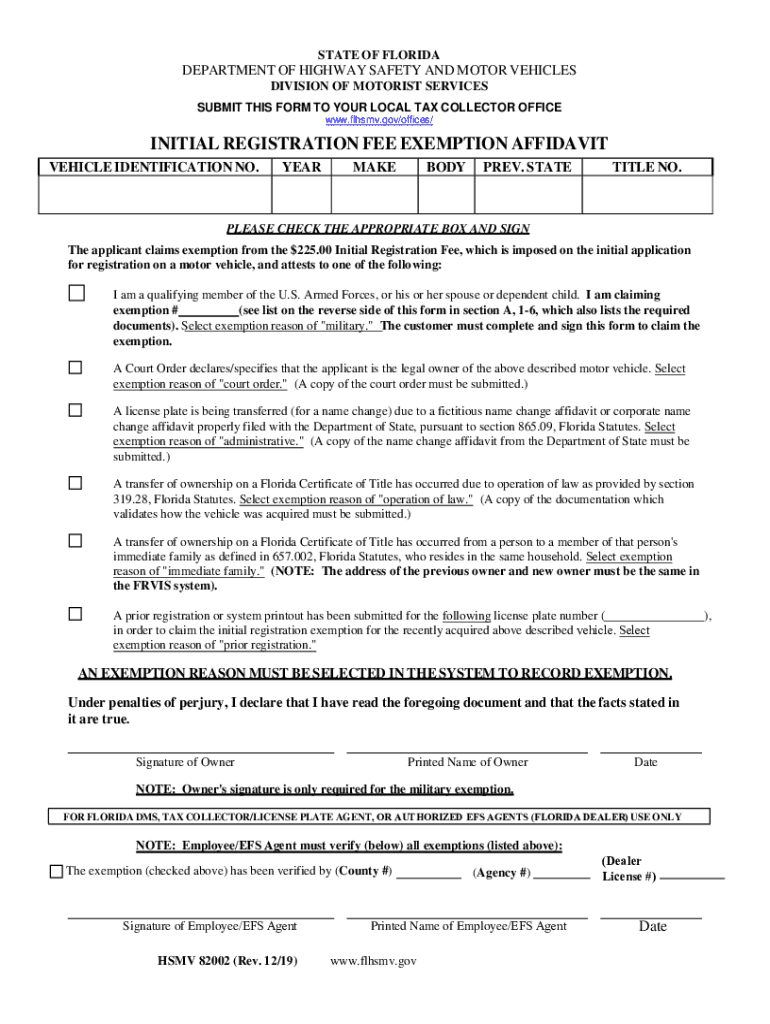







Definition and Meaning of Florida Vehicle Title Transfer
A Florida Vehicle Title Transfer is an official process that updates the ownership records of a vehicle within the state of Florida. This procedure involves transferring the legal ownership of a vehicle from one party to another. It is crucial for ensuring that the new owner is recognized as the legal owner by the state Department of Highway Safety and Motor Vehicles (DHSMV). This process is applicable when buying or selling a vehicle, inheriting a vehicle, or when a vehicle is gifted.
Key Components of a Vehicle Title
- Personal Information: The full legal names and addresses of the buyer and seller.
- Vehicle Details: Information such as the make, model, year, and Vehicle Identification Number (VIN).
- Odometer Reading: Accurate current reading is required to verify the mileage.
- Signatures: Both buyer and seller must sign to confirm the transaction.
Understanding these components ensures a smoother title transfer and prevents potential legal issues.
Steps to Complete the Florida Vehicle Title Transfer
Completing the title transfer involves several well-defined steps to ensure all legal requirements are met. Each step is important to avoid delays or penalties.
- Gather Necessary Documents: Obtain the vehicle's current title, a bill of sale, valid identification, and proof of insurance.
- Complete the Title Certificate: Make sure both parties fill out and sign the required sections on the title certificate, including the odometer disclosure statement.
- Visit a DMV Office: Both parties may need to visit a local DHSMV office to submit the necessary paperwork and fees.
- Pay the Title Transfer Fee: A transfer fee is required, and amounts may vary if there are any other fees like sales tax applicable.
- Receive New Title: After processing, the new title is mailed to the new owner by the DMV.
Additional Considerations
- Lien Release: If the vehicle had a lien, ensure the release form is included in the documentation.
- Military Personnel: Special considerations apply for military members, particularly those stationed out of state. They may need additional documents such as military orders.
Required Documents for Florida Vehicle Title Transfer
Each title transfer requires specific documents that need to be presented at the time of transfer. These not only facilitate the process but also prove the legality of the transfer.
- Vehicle Title: The original title signed over by the previous owner.
- Bill of Sale: Document showing the transaction details, including sale price and vehicle specifics.
- Identification: Valid driver's license or state-issued ID for both parties.
- Insurance Proof: Current Florida auto insurance is mandatory to register the vehicle.
Commonly Missed Documents
- Odometer Disclosure Statement: Sometimes missed but necessary when the car is less than ten years old.
- Lien Satisfaction: Document showing any liens on the vehicle have been satisfied, which is crucial for a clear title.
Legal Use of the Florida Vehicle Title Transfer
The transfer of a vehicle title in Florida must comply with state laws to legally update ownership information. Failing to abide by these regulations can result in penalties.
Legal Obligations
- Timely Transfer: The new owner must submit the title transfer within 30 days from the date of sale, as per Florida law.
- Accurate Reporting: Any discrepancies, such as forgone disclosures or incorrect odometer readings, may lead to legal disputes or penalties.
State-Specific Rules for the Florida Vehicle Title Transfer
Florida has unique rules governing vehicle title transfers that may differ from those in other states. Understanding these can prevent navigation errors during the transfer process.
Florida-Specific Regulations
- Sales Tax: A six percent sales tax is applicable on the purchase price during the title transfer.
- Out-of-State Vehicles: Vehicles from other states being registered in Florida require VIN verification.
Who Typically Uses the Florida Vehicle Title Transfer
Various individuals and entities engage in the process of transferring vehicle titles in Florida for numerous reasons. Knowing who primarily uses this process can provide insight into its pervasiveness.
- Individuals Buying/Selling Cars: The most common participants in title transfers, these individuals must update records to reflect ownership changes.
- Automobile Dealers: Dealers routinely handle multiple title transfers, requiring them to adhere to rigorous documentation standards.
- Heirs of Estates: Beneficiaries who inherit vehicles must transfer the title to legally take possession.


Penalties for Non-Compliance with Florida Vehicle Title Transfer
Failure to comply with the title transfer requirements can result in various penalties. These penalties serve to enforce the completion of the process within the stipulated time and terms.
Possible Consequences
- Late Transfer Fees: Delays beyond 30 days can result in additional fees.
- Registration Hold: Registration holds prevent the new owner from legally driving the vehicle or renewing registration.
- Legal Issues: Misrepresentation or incomplete documentation can lead to legal action.
Examples of Using the Florida Vehicle Title Transfer
Real-world scenarios exemplify the practical applications of this process, illustrating its importance in everyday transactions involving vehicles.
Scenarios
- Private Sales: When selling a car to a friend, executing the title transfer ensures the friend is legally recognized as the new owner.
- Gifted Vehicles: A family member gifting a vehicle must transfer the title to confer legal ownership upon the recipient.
- Feeding Inherited Vehicles into an Estate: When a family member inherits a vehicle, the title must be transferred to their name to formalize ownership.
These illustrative examples emphasize the necessity and everyday relevance of completing a vehicle title transfer in Florida.




