





Definition and Meaning
The ISO ClaimSearch third party request form is designed for individuals or entities seeking to access specific data from the ISO ClaimSearch database. This database is widely used in the insurance industry to facilitate the processing and investigation of claims by providing a central repository of claim-related information. The third party request form allows authorized users to request data disclosure from the database, which can be essential for legal proceedings, insurance claim assessments, or fraud investigations. It involves providing detailed identification and authorization details to ensure data privacy and compliance with legal standards.
How to Use the ISO ClaimSearch Third Party Request
Using the ISO ClaimSearch third party request involves several key steps that ensure the correct processing of your information request. First, it is essential to fill out all required fields on the form accurately. These include your personal details, the purpose of your request, and any specific data points you need from the database. You will also need to specify your role or authorization to request this information, which might include roles such as legal representatives or insurance claim adjustors. Ensuring accurate and complete information helps avoid delays in processing your request.
Steps to Complete the ISO ClaimSearch Third Party Request
- Obtain the Form: Download the ISO ClaimSearch third party request form from a reputable source or request it from the issuing authority.
- Fill Out Personal Information: Enter your name, contact information, and any identification numbers required.
- Specify the Data Required: Clearly describe the data you need and why it is necessary for your purpose.
- Attach Required Identification: Include any necessary identification or authorization documents as specified in the form instructions.
- Submit the Form: Depending on the options available, you may submit the form online, via mail, or in person. Make sure to follow specific submission guidelines provided.
Who Typically Uses the ISO ClaimSearch Third Party Request
Legal professionals, insurance companies, and fraud investigators are the primary users of the ISO ClaimSearch third party request form. Legal professionals may need access to claim data for litigation purposes, while insurance companies use it to verify claims and identify potential fraud. Fraud investigators leverage this form to collect data needed to conduct thorough investigations and support findings in a legal context. By using this form, these professionals can ensure they have the necessary information to make informed decisions.

Legal Use of the ISO ClaimSearch Third Party Request
The ISO ClaimSearch third party request form must be used in compliance with all relevant legal and regulatory standards. It is essential to ensure that any data requested is necessary for legitimate purposes such as legal representation or insurance assessment. Furthermore, individuals or entities using this form must have proper authorization, as unauthorized access or misuse of sensitive claim data can lead to legal consequences. The legal use of this form includes ensuring all provided information is accurate, truthful, and backed by sufficient documentation.
Important Terms Related to ISO ClaimSearch Third Party Request
Understanding the terminology associated with the ISO ClaimSearch third party request is crucial for accurate form completion:
- Claimant: The individual or entity that has filed a claim.
- Authorization: The official permission to access certain data within the ISO ClaimSearch database.
- Disclosure: The act of making claim data available to a requesting party, subject to privacy regulations.
- Data Repository: A storage location for large amounts of data, such as a database.
Key Elements of the ISO ClaimSearch Third Party Request
The ISO ClaimSearch third party request form has several critical components that must be addressed:
- Identity Verification: Required documentation that confirms the requester's identity.
- Purpose of Request: A clear description of why the data is needed.
- Data Specificity: Exact details on the type of data being requested, ensuring that only necessary information is accessed.
- Legal Obligations: Acknowledgement of the legal responsibilities involved in handling the disclosed data.
Required Documents for ISO ClaimSearch Third Party Request
To successfully process a third party request with ISO ClaimSearch, providing comprehensive documentation is necessary:
- Proof of Identity: Such as a driver’s license or passport.
- Authorization Letter: If applicable, an official letter granting permission to request and receive the data.
- Detailed Data Request: A written explanation specifying the data being requested and its intended use.
- Professional Credentials: For legal or insurance professionals, credentials proving your professional standing and authority to request the data.
Form Submission Methods (Online / Mail / In-Person)
Submission of the ISO ClaimSearch third party request form can typically be done through multiple channels:
- Online Submission: Fast and efficient, allowing for digital processing through secure platforms. Ensure all scanned documents are clear and legible.
- Mail Submission: Allows physical copies to be sent to the designated processing authority. Include all necessary documents and allow for postal delays.
- In-Person Submission: Provides immediate confirmation of form reception but may require scheduling an appointment.
Penalties for Non-Compliance
Non-compliance with the ISO ClaimSearch third party request form’s guidelines can result in significant penalties. Misuse of claim information or providing false identification during the request process can lead to legal actions, including fines and revocation of access privileges to the ISO ClaimSearch database. It is crucial to follow all instructions accurately and ensure that all information provided is truthful and thoroughly documented.
Digital vs. Paper Version
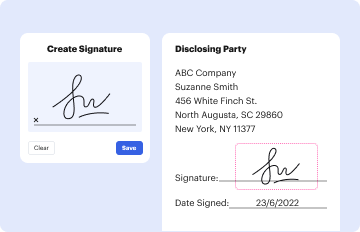
The availability of digital and paper versions of the ISO ClaimSearch third party request form offers flexibility in how you choose to complete and submit your request. The digital form allows for quick processing and easy amendments, while the paper version provides a tangible document trail, which some users may prefer for their records. Both options require the same level of detail and accuracy; however, the digital version may offer enhanced convenience through features like electronic signatures and easier document attachments.