





Definition and Purpose of the Night Workers Health Assessment Form
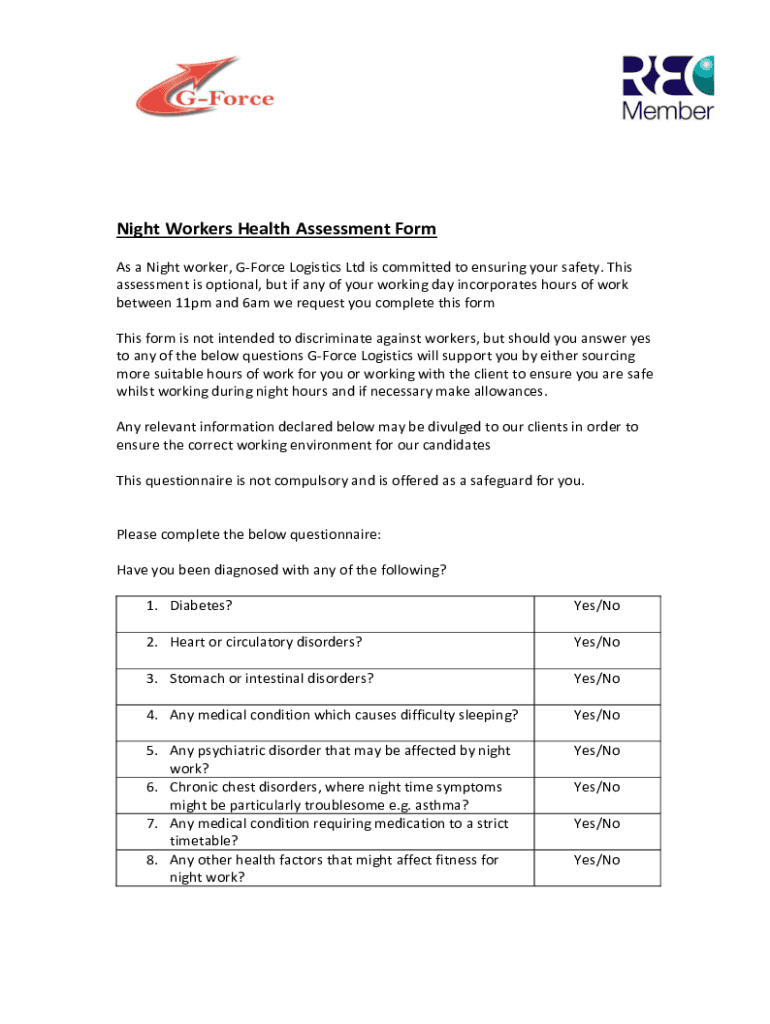
The Night Workers Health Assessment Form is designed to evaluate the health and well-being of employees working night shifts. This form seeks to identify any medical conditions that could affect an individual's ability to safely perform duties during the night. Employers can use this form to ensure that appropriate adjustments or accommodations can be made to maintain a safe and supportive working environment. By gathering important health information, employers can collaborate with employees to implement strategies that mitigate risks associated with night work.
Key Objectives
- Ensure Employee Safety: Identify health risks that may interfere with night shift performance.
- Promote Workplace Health: Encourage a healthy and supportive work environment for night workers.
- Facilitate Adjustments: Offer necessary adjustments based on individual health needs to reduce potential hazards.
Steps to Complete the Night Workers Health Assessment Form
Completing the Night Workers Health Assessment Form involves several key steps that must be followed to ensure accurate data collection.
- Initial Identification: Begin by filling out basic information including the employee's name, employee ID, and department.
- Health Questionnaire: Respond to questions regarding current health status, known medical conditions, and any medications that could affect work performance.
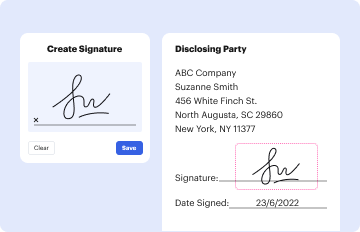
- Consent and Signature: Confirm the use of the information provided for the intended purpose and sign the form to validate consent.
Detailed Steps Explained
- Personal Information Collection: Ensure all personal data is entered accurately to facilitate identification if follow-up action is needed.
- Health-related Queries: Answer queries on sleep patterns, physical or mental health conditions, and symptoms experienced during night shifts.
- Acknowledgement of Information Sharing: Understand that the information provided may be shared internally only for maintaining safety and optimal work conditions.
How to Use the Night Workers Health Assessment Form
Using the Night Workers Health Assessment Form is straightforward yet essential for effective health management of night shift employees.
- Regular Assessments: Conduct regular assessments to monitor health trends and respond proactively.
- Review and Analyze: Assess the information to identify any patterns or areas needing intervention.
- Employer Adjustments: Implement required changes such as shift rotations or workload changes based on the assessment outcomes.
Practical Application Scenarios
- Shift Assignment Flexibility: Adjust shift timings or responsibilities for employees with identified health concerns.
- Health Monitoring: Engage occupational health professionals to monitor ongoing health conditions.
- Policy Development: Use data from forms to shape workplace health policies and protocols for night workers.
Legal Use and Implications
The Night Workers Health Assessment Form complies with health and safety regulations, ensuring that employers fulfill their legal obligation to protect workers' health.
Regulatory Compliance
- Privacy Laws: Adhere to data protection laws ensuring confidentiality and appropriate use of employee health information.
- Occupational Safety Requirements: Meet occupational health and safety standards set by relevant government bodies.
Consent and Data Use
- Informed Consent: Employees provide informed consent for the use of their health information for workplace safety purposes.
- Data Handling Practices: Ensure data is stored securely and accessed only by authorized personnel.
Important Terms Related to the Night Workers Health Assessment Form
Understanding specific terms related to the Night Workers Health Assessment Form is crucial for its effective use.
- Shift Pattern: Work schedules and timings defined for night workers.
- Health Questionnaire: A series of questions aimed at assessing an employee's health status.
- Occupational Health: A field of healthcare specializing in the physical and mental well-being of employees in the workplace.
Terminology Clarification
- Circadian Rhythm: The body's natural 24-hour cycle that can be disrupted by night shifts.
- Accommodation: Adjustments made to work conditions based on employee health requirements.
- Health Risk Assessment: Evaluating potential risks that current health conditions pose to night shift work.
Key Elements of the Night Workers Health Assessment Form
Several elements constitute the Night Workers Health Assessment Form, facilitating thorough health evaluation.
Core Components
- Personal Data Fields: Capture employee's basic identifying information.
- Health Condition Queries: Investigate specific health conditions that could affect night work.
- Signature Section: Validate consent through employee's acknowledgment.
Essential Fields Explained
- Contact Information: Ensures easy follow-up communication regarding health assessments.
- Medical History Section: Helps in understanding chronic or ongoing health issues.
- Feedback Field: Allows employees to input additional health-related information that may not be covered in the form.
State-Specific Rules and Regulations
Different states may have varying regulations and guidelines governing the use of health assessments for night workers.
Understanding State Variations
- Health Disclosure Regulations: States may have unique rules about what health information can be collected and shared.
- Specific Night Work Guidelines: Some states offer additional guidelines or support materials tailored to night work settings.
Practical Examples
- California: Focus on comprehensive privacy protections related to employee health information.
- New York: Emphasizes preventive measures and regular health monitoring for night workers.
Consequences of Non-Compliance
Failure to properly administer or act on the Night Workers Health Assessment Form may result in legal and operational repercussions for employers.
Potential Risks for Employers
- Legal Ramifications: Non-compliance with health and safety regulations could lead to fines or legal action.
- Workplace Safety Risks: Ignoring identified health risks can increase workplace accidents or incidents.
- Reputational Damage: Poor handling of employee health assessments may affect an organization's reputation for caring for employee well-being.
Mitigation Strategies
- Regular Training: Ensure the responsible parties receive training on compliance and best practices.
- Internal Audits: Conduct routine audits to check compliance with data protection and occupational health standards.