





Definition & Purpose of the Schengen Visa Form
The Schengen Visa form serves as the official application document required for non-EU citizens seeking to enter the Schengen Area, which comprises 26 European countries. The form is crucial in ensuring that travelers meet the necessary legal and immigration standards set by the Schengen Agreement. This application is not just a formality; it collects comprehensive information about the applicant's identity, travel purpose, financial means, and insurance details, which are essential for processing the visa request.
Key Sections of the Schengen Visa Form
-
Personal Information: This section captures the applicant's personal details, including full name, date of birth, nationality, and gender.
-
Travel Details: Applicants must specify the purpose of their travel, intended duration of stay, and countries they plan to visit.
-
Financial Support: Information regarding the applicant's financial status, including bank statements or sponsorship details, is required.
-
Insurance Information: Proof of travel medical insurance is mandatory, covering potential medical emergencies during the stay.
-
Previous Schengen Visas: Applicants should disclose any prior Schengen visas, with details regarding issuance and duration.
How to Fill Out the Schengen Visa Application Form
Completing the Schengen Visa application form requires careful attention to detail to avoid errors that might delay processing. Here's a step-by-step guide:
-
Gather Required Documents: Before filling out the form, collect all necessary documents, such as a valid passport, proof of travel insurance, financial statements, and flight reservation or itinerary.
-
Complete the Form Online or on Paper: The form can be filled out online or printed and completed by hand. Ensure that all information is accurate and legible.
-
Provide Accurate Information: Double-check all entries for accuracy, such as personal details, travel dates, and the purpose of visit.
-
Attach Supporting Documents: Attach all required documentation to support the information provided in the form.
-
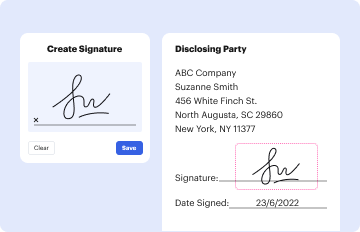
Sign and Date the Form: It is essential to sign and date the form, as an unsigned form will be considered incomplete.
Required Documents for Schengen Visa Application
Several documents are needed to accompany the Schengen Visa application form to establish the legitimacy of the application:
- Passport: Must be valid for at least three months beyond the planned departure date from the Schengen Area.
- Travel Insurance: Proof of insurance that covers at least €30,000 in medical expenses.
- Proof of Accommodation: Details of where you will be staying during your visit, such as hotel bookings or an invitation letter from a host.
- Travel Itinerary: A detailed plan of your travels, including flight bookings and schedules.
- Proof of Financial Means: Bank statements or letters of sponsorship showing your ability to support yourself during the stay.
Steps to Submit the Schengen Visa Application
Submitting the Schengen Visa application requires a systematic approach to ensure all components are correctly compiled and submitted:
-
Schedule an Appointment: Contact the embassy or consulate of the country you plan to visit to schedule an appointment.
-
Submit the Application: Deliver the completed application form and all supporting documents at your appointment.
-
Attend an Interview: Be prepared for a brief interview, where you may need to provide further details or clarification regarding your application and travel plans.
-
Pay the Visa Fee: A non-refundable fee is required upon submission of your application.
-
Wait for Processing: Processing times can vary, so apply well in advance of your intended travel dates.
Who Typically Uses the Schengen Visa Application Form
The Schengen Visa application form is primarily used by non-EU nationals who wish to travel to the Schengen Area for various purposes, including tourism, business, or family visits. This form is a vital resource for:
- Tourists: Individuals planning leisure trips within Schengen countries.
- Business Travelers: Those attending conferences, meetings, or contractual obligations.
- Family Visitors: People visiting family or friends residing in a Schengen state.
- Students: Short-term educational or training course attendees.

Important Terms Related to the Schengen Visa Application
Understanding the terminology used in the Schengen Visa application process can aid in accurately completing the form:
- Visa Validity: The length of time the visa remains active.
- Single Entry vs. Multiple Entry: Refers to whether the visa allows for one-time entry or multiple entries into the Schengen Area.
- Purpose of Visit: Specifies the reason for travel, such as tourism, family visit, or business.
Legal Use of the Schengen Visa Form
The legal framework of the Schengen Visa form is grounded in the Schengen Agreement, ensuring consistency in entry standards across the Schengen Area. Applicants must adhere to these regulations to assure that their stay is lawful:
- Compliance with Visa Conditions: Travelers must respect the specified purpose and duration of stay.
- Consequences of Overstay: Overstaying the visa term can lead to fines, future application rejections, or deportation.
- Correct Use of Visa: The visa is valid only for the countries within the Schengen Area; traveling outside this area requires other visas where applicable.
Schengen Visa Application Process & Approval Time
The application process and subsequent approval time can vary depending on several factors:
- Initial Application Review: Upon submission, the application is reviewed for completeness and accuracy.
- Background Check: Authorities may conduct an extensive background check to evaluate risk factors.
- Decision Making: The decision to grant or deny the visa is based on the review of information and documentation provided.
- Notification of Results: Applicants are informed of the decision, with approved visas placed directly in the passport.
Typically, the processing time for a Schengen Visa ranges from 15 to 30 calendar days. However, applying well in advance is prudent to accommodate any potential delays.