
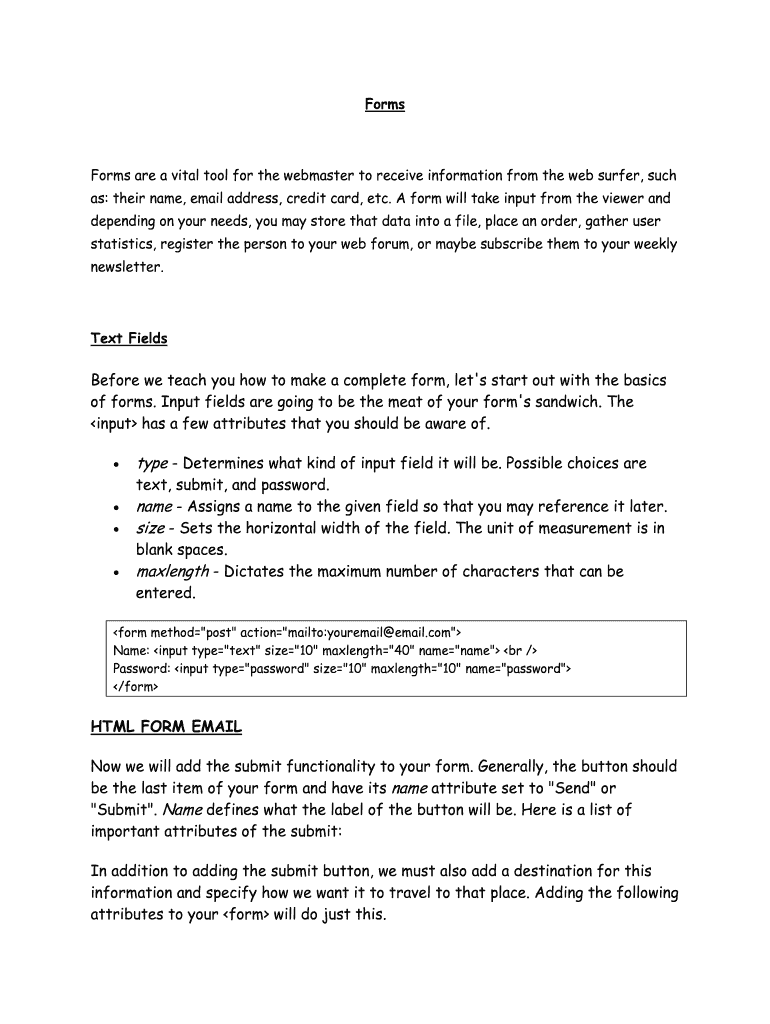







Definition and Purpose of Making Forms
The process of making forms involves creating structured documents that enable data collection and facilitate interaction between the user and the form provider. These forms can vary in complexity, from simple contact forms to comprehensive federal tax forms. Making forms entails incorporating various elements such as text fields, checkboxes, radio buttons, and dropdown menus to capture specific information in an organized manner. The primary purpose of making forms is to streamline data collection, ensuring that all necessary information is gathered efficiently. Effective forms guide users to provide accurate data, reducing the potential for errors and improving overall communication.
Steps to Complete the Making Forms
-
Select a Platform or Tool: Choose the appropriate tool or software, such as DocHub, that allows you to create and manage fillable forms effectively.
-
Design the Layout: Start by outlining the structure of the form, including identifying the fields you need based on the information you wish to collect.
-
Add Form Fields: Use the platform's tools to add text fields, checkboxes, dropdown menus, and signature areas, ensuring that each field is clearly labeled and logically placed.
-
Define Field Properties: Specify the attributes for each field, such as setting required fields, assigning default values, or providing conditional formatting.
-
Review for Accuracy: Before finalizing, thoroughly review the form for any potential errors or areas of improvement. Testing the form ensures that it functions as intended.
-
Distribute and Collect Data: Once completed, share the form with the intended recipients via email or by embedding it on a website. Collect the feedback or data submitted and analyze it for your specific needs.
Key Elements of Making Forms
-
Form Fields: The building blocks of any form, including input types like text fields, radio buttons, checkboxes, dropdown lists, and text areas.
-
Instructions and Labels: Clear labels and instructions guide users in providing the correct information and understanding how to fill out the form effectively.
-
Validation and Error Messages: These help ensure that the data entered meets the required standards, giving users instant feedback if corrections are needed.
-
Design Considerations: A visually appealing and logically structured form enhances user experience and encourages accurate completion.
Who Typically Uses Making Forms
Making forms is a common practice across various industries. Here are some common users:
-
Businesses: Companies utilize forms for customer feedback, order processing, and lead generation.
-
Government Agencies: Forms are essential for tax collection, census data, and legal documentation.
-
Educational Institutions: Schools and colleges use forms for enrollment, fee collection, and student assessments.
-
Healthcare Providers: Patients fill out forms to provide medical history, insurance details, and consent for treatments.
-
Nonprofits: Forms assist in donor management and volunteer sign-ups.
Software Compatibility and Digital Integration
Platforms like DocHub integrate seamlessly with popular software and ecosystems, enhancing form-making processes:
-
Google Workspace: Import and export forms to and from Google Drive for easy access and sharing.
-
Cloud Storage Integration: Compatibility with Dropbox, OneDrive, and other services ensures that forms are stored and managed efficiently.
-
Collaboration Tools: Features such as commenting, version control, and access setting facilitate teamwork on form-related projects.
Legal Use of the Making Forms
Form creation must comply with relevant legal and regulatory standards to ensure data security and privacy:
-
Data Protection Laws: Forms should adhere to laws such as the General Data Protection Regulation (GDPR) and the California Consumer Privacy Act (CCPA).
-
Electronic Signatures: Legally binding e-signatures are vital for forms involving contracts and agreements, following acts like the ESIGN Act.
-
Compliance and Certification: Certain industries require forms to meet specific compliance standards for audits and official use.
Examples of Using the Making Forms
-
Tax Forms: Individuals and businesses file tax returns and other related forms annually with precise details as required by the Internal Revenue Service (IRS).
-
Medical Information: Patients submit their health history through detailed forms when visiting new healthcare providers.
-
Job Applications: Employers use standardized forms to collect applicant information efficiently during hiring processes.
-
Surveys and Feedback: Businesses and researchers collect valuable insights through custom-designed feedback forms.
-
Event Registrations: Organizers manage attendee data through forms tailored to various types of events.
Required Documents and Preparation for Making Forms
To optimize the form-making process, several documents and pieces of information are typically required:
-
Identification Information: Forms collecting personal data often require valid identification numbers.
-
Supporting Documents: Depending on the form's purpose, additional documents like proof of address or financial statements might be necessary.
-
Prior Records: Historical data helps pre-fill sections or verify information provided by users.
-
Guidelines and Templates: Standards or templates set by governing bodies ensure forms meet legal and procedural requirements.
By incorporating these comprehensive guidelines and strategies, making forms becomes an organized, efficient process that effectively captures needed data while remaining user-friendly and legally compliant.




