




Definition and Meaning
The "Shopping Center Application - gla retail" is a document used to collect personal and financial information from individuals or entities interested in leasing space within a retail shopping center. This application assesses the applicant's financial stability, business plans, and overall suitability for occupying a space in a retail environment. It typically requires detailed disclosures about assets, liabilities, income, and any existing business operations.
Key Features of the Application
- Personal Details: Includes sections for the applicant's full name, contact information, and business identity.
- Financial Information: Comprehensive data such as balance sheets, income and expense statements, and overall financial health.
- Verification Requirements: Instructions for providing financial documentation to support the application data.
How to Obtain the Shopping Center Application - gla retail
Securing the Shopping Center Application can be straightforward. It's typically available through the property management or leasing office responsible for the shopping center. Contacting the office directly is the most reliable method.
Common Methods of Distribution
- Online Platforms: Many property managers provide downloadable forms on their websites.
- In-Person Pick-Up: Applications can often be collected from the leasing office within the shopping center.
- Email Requests: Some offices offer the application via email upon request.
Steps to Complete the Shopping Center Application
Completing the application requires attention to detail to ensure all necessary information is accurate and complete. Here's a step-by-step guide:
Initial Preparations
- Gather Financial Documents: Collect balance sheets, recent income statements, and other verification documents.
- Compile Personal and Business Information: Ensure you have updated personal, business, and contact information readily available.
Filling Out the Application
- Section A - Personal Information: Enter all required personal and business details.
- Section B - Financial Statements: Accurately fill in financial data based on gathered documents.
- Section C - Supporting Documents: Attach required financial documents as specified.
Finalizing the Application
- Review for Accuracy: Double-check all entries for correctness and completeness.
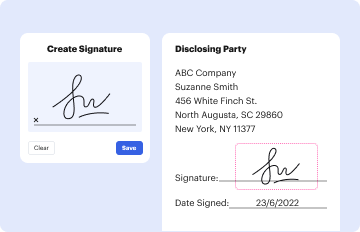
- Sign the Application: Ensure that all required signatures are present before submission.
Why Use the Shopping Center Application - gla retail
Using this application is vital for individuals and businesses seeking to lease retail space. It helps both the applicant and the leasing entity by formalizing the application process.
Benefits of Submitting the Application
- Structured Application Process: Offers a standardized method for presenting personal and financial data.
- Enhances Credibility: Demonstrates the applicant’s preparedness and serious intent.
- Streamlines Leasing Decisions: Assists property managers in efficiently evaluating potential tenants.
Who Typically Uses the Shopping Center Application
This application is most often utilized by retailers, restaurateurs, and business owners looking to expand their operations into new shopping centers or territories.

Common Users Include
- Small to Medium Enterprises (SMEs): Retailers seeking physical storefronts.
- Franchisee Applicants: Individuals applying to open franchised locations.
- Independent Business Owners: Entrepreneurs wishing to start new ventures.

Key Elements of the Shopping Center Application
Understanding the primary components of the application can enhance the applicant's ability to complete it accurately.
Main Sections
- Applicant Identification: Where the applicant provides primary contact details and identifies their business.
- Personal Financial Statement: Requires detailed financial disclosures to assess stability.
- Business Plan Overview: Summarizes the intended use of the leased space and future business goals.
Legal Use of the Shopping Center Application
The application serves as an official document attesting to the accuracy of the information provided by the applicant. It's crucial from a legal perspective.
Key Legal Considerations
- Truthful Disclosure: Ensuring the information disclosed is accurate to avoid potential legal consequences.
- Privacy and Security: Understand how personal and financial information will be used and protected.
Required Documents for the Application
Applicants must submit a variety of documents to support the data in their application. These documents verify the financial information and the business's legitimacy.
Typical Documentary Requirements
- Recent Financial Statements: Including tax returns and bank statements.
- Business Licenses: Proof of any required licenses for operating a business.
- Identification Documents: Copies of personal identification for all major stakeholders.