





Definition of a Custody Release Form
A custody release form is a legal document used to transfer responsibility for an individual, typically a minor or dependent, from one party to another. This form is frequently employed in scenarios where guardianship needs to be officially recognized, such as when a student travels abroad for educational purposes. By signing this form, the new guardian agrees to oversee the individual's well-being and ensure compliance with relevant laws and regulations. The document is often tailored to meet specific legal requirements and may vary based on jurisdiction and purpose.
How to Use the Custody Release Form
Using a custody release form requires attention to detail and adherence to specific steps. First, identify the parties involved, including the current guardian, the new guardian, and the individual for whom custody is being transferred. Ensure that personal information for all parties is accurately listed. Next, clarify the duration and scope of custody, detailing any limitations or conditions. Both parties must sign the document, often requiring notarization to validate its legal standing. Once completed, keep copies for record-keeping and provide one to the institution, such as a school or travel agency, to confirm the new arrangements.
Obtaining a Custody Release Form
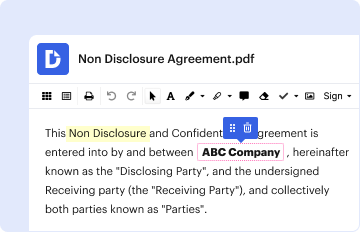
Obtaining a custody release form can be done through several avenues. Legal offices or professionals specializing in family law often provide templates. Many educational institutions or organizations may also offer a version specific to their requirements. Alternatively, digital platforms like DocHub enable users to access and customize forms. While downloading or purchasing a form, ensure that it aligns with the legal requirements of the intended jurisdiction to avoid complications.
Steps to Complete the Custody Release Form
-
Gather Information: Compile all necessary personal details for each party involved, including full names, addresses, and contact information.
-
Define Terms: Clearly outline the terms of custody, specifying duration, responsibilities, and any limitations.
-
Draft the Document: Using a standard template, fill in the gathered information accurately and legibly.
-
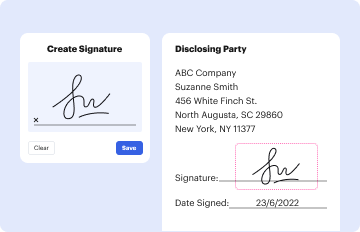
Add Signatures: Ensure both the current and new guardians sign the document. Witness signatures may also be required.
-
Notarization: Depending on the jurisdiction, notarization might be necessary to authenticate the form legally.
-
Distribute Copies: Provide signed copies to relevant parties and institutions, such as schools or daycares.
Key Elements of the Custody Release Form
Certain components are essential to a custody release form to ensure it is legally binding and clear. These include:
- Party Identification: Full names and contact details of all parties.
- Effective Dates: Clearly stated start and end dates for the custody arrangement.
- Scope of Responsibilities: A detailed list of the new guardian's responsibilities.
- Signatures: Signatures of both parties involved, and possibly witnesses.
- Legal Authentication: Notarization if required by local legal standards.
Legal Use of the Custody Release Form
A custody release form holds significant legal authority, especially in terms of parental or guardianship rights. It allows institutions to recognize the authority of a new guardian and facilitates commitments to the care and responsibility of the minor. When correctly executed, it meets the legal requirements imposed by educational or travel entities and protects the interests of all parties involved.
State-Specific Rules for the Custody Release Form
Different states may have unique requirements concerning custody release forms. These differences can impact the language used, the need for additional legal consultation, and the formalization process such as notarization. For example, some states may require court approval for the transfer of custody for extended durations. It is crucial to verify local regulations to ensure compliance and legality.
Examples of Using the Custody Release Form
Custody release forms are common in educational settings where students travel for academic programs, such as studying abroad. A common scenario is an international student attending a university in a different country, requiring a local guardian to assume responsibility. Other instances may involve temporary custody transfers during family emergencies or when a child is away from parents for extended periods, such as during summer camps.
Important Terms Related to the Custody Release Form
Understanding relevant terminology is crucial for accurately completing and interpreting a custody release form. Key terms include:
- Guardian: The individual accepting responsibility for the minor.
- Custody: The legal right to care and make decisions for the individual.
- Notarization: The process of certifying a document as authentic by a licensed notary.
- Parties: The current and new guardians and the individual concerned.
Insight into these terms helps clarify the roles and responsibilities involved in custody arrangements, ensuring all parties comprehend the document's implications.