
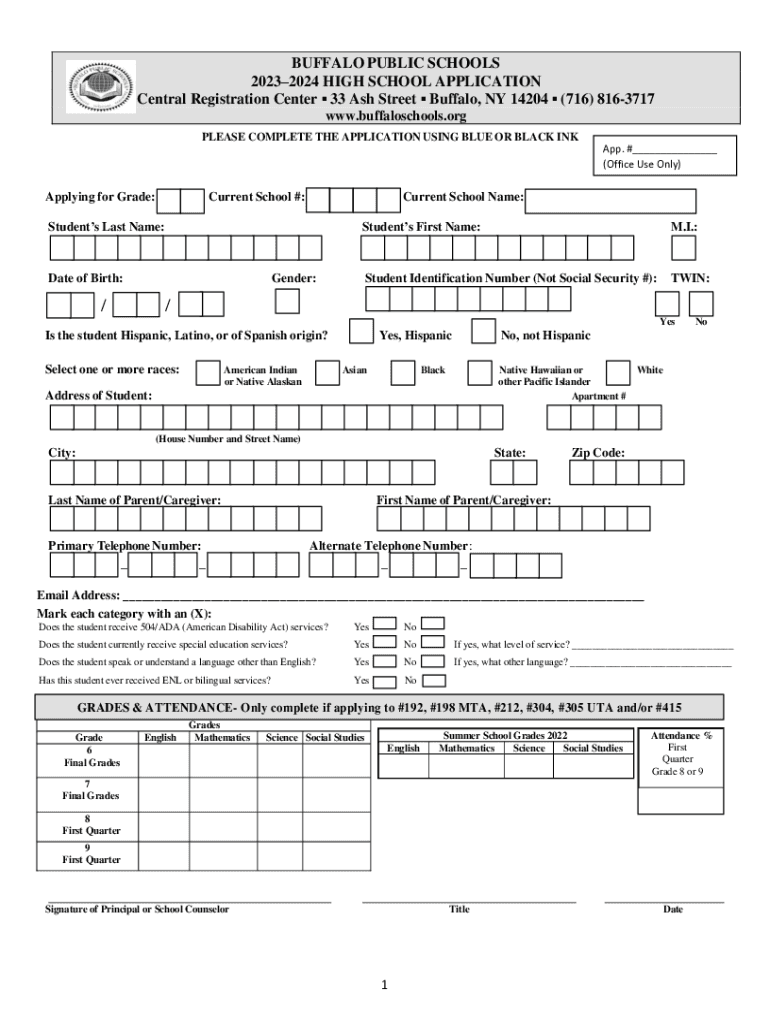







Understanding Admissions and Registration Important Contact Information
Admissions and registration important contact information is a critical reference tool used by individuals and institutions to navigate the enrollment process for educational programs. This resource can include details such as contact numbers, email addresses, and department locations, providing direct lines of communication to key officials or departments responsible for handling various aspects of admissions and registration. This guide aims to facilitate smooth interactions and ensure that individuals can efficiently address their queries, submit necessary documents, and comply with registration protocols.
Key Elements of Admissions and Registration Important Contact Information
- Contact Details: Typically consists of phone numbers, email addresses, and office hours for admissions offices.
- Departments and Roles: Clarifies which departments handle specific inquiries or processes (e.g., financial aid, international student services).
- Office Locations: Provides physical addresses and campus maps for in-person visits.
- Web Portals: Links or instructions for accessing online registration platforms and additional services.
- Communication Channels: Alternative methods for communication, such as live chat or scheduling appointments.
How to Use the Contact Information Effectively
- Identify the Purpose: Determine the nature of your inquiry to direct your communication to the correct department (e.g., application submission, status updates).
- Choose the Right Channel: Depending on urgency and formality, choose email for formal requests, phone calls for urgent matters, or online portals for general inquiries.
- Prepare Your Queries: Before making contact, list your questions or required information to ensure concise and effective communication.
- Follow Office Protocols: Respect office hours and response times, and check provided FAQs or guidelines that might answer your questions before reaching out.
Steps to Obtain Admissions and Registration Important Contact Information
- Visit the Institution’s Website: Most educational institutions provide comprehensive contact directories on their official websites.
- Contact Admissions Offices Directly: If website information is insufficient, calling or emailing the admissions office can yield the needed contact details.
- Use Online Student Portals: Enrolled students may access detailed contact lists via their institutional login accounts.
- Attend Orientation Sessions: Educational institutions often distribute essential contact information during introductory sessions for new students.
Importance of Using Admissions and Registration Important Contact Information
- Streamlined Communication: Ensures that your inquiries reach the correct department or personnel, reducing delays.
- Efficiency in Problem Resolution: Having the right contact allows for quicker resolution of issues related to admissions or registration.
- Access to Resources: Facilitates access to tools and resources necessary for completing the enrollment process.
- Verification and Updates: Enables students to confirm application statuses and receive timely updates on their admissions process.
Who Typically Uses This Contact Information
- Prospective Students: Individuals seeking to enroll in an institution, needing clarification on application requirements or procedures.
- Current Students: For matters like registration renewal, course enrollment, or campus resource access.
- Parents and Guardians: Particularly for minor students, inquiring about admissions requirements and financial aid options.
- Educational Counselors: Assisting students in navigating admissions processes and institutional offerings.
- International Advisors: For guidance on visa requirements and international student services.
Legal Considerations when Using Contact Information
- Privacy Regulations: Ensure compliance with privacy laws and institutional policies when sharing sensitive information over email or phone.
- Authorized Use: The contact information should only be used for legitimate purposes related to admissions and registration.
Typical Structure of the Contact Information
- Introduction Section: Brief overview of available contact avenues and departmental functions.
- Detailed Listing: Comprehensive catalog of contact numbers, email addresses, and office locations.
- Special Instructions: Guidance on best practices for reaching specific departments or accessing online resources.
Examples of Using This Contact Information in Practice
- Scenario 1: A student needs to defer their enrollment; contacting the registrar’s office directly via a phone call ensures quick resolution.
- Scenario 2: A parent wishes to discuss financial aid options; emailing the financial aid office yields detailed written responses and necessary forms.
- Scenario 3: An international student requires immigration assistance; using contact details for the international office provides tailored support.
State-Specific Differences in Contact Information
Each state and institution may have unique practices regarding the admissions and registration process due to differing regulations. Always verify state-specific guidelines to ensure compliance and proper adherence to local requirements.




