



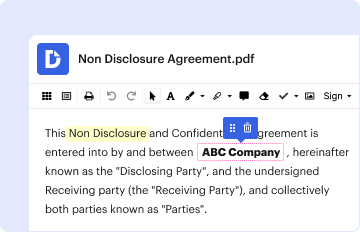
01. Edit your momentary time sampling for groups online
Type text, add images, blackout confidential details, add comments, highlights and more.

Type text, add images, blackout confidential details, add comments, highlights and more.
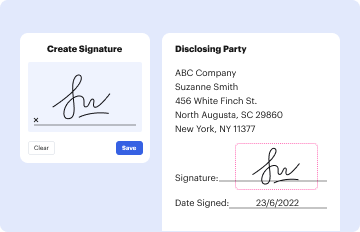
Draw your signature, type it, upload its image, or use your mobile device as a signature pad.
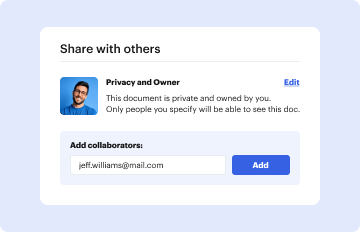
Send momentary time sampling aba via email, link, or fax. You can also download it, export it or print it out.
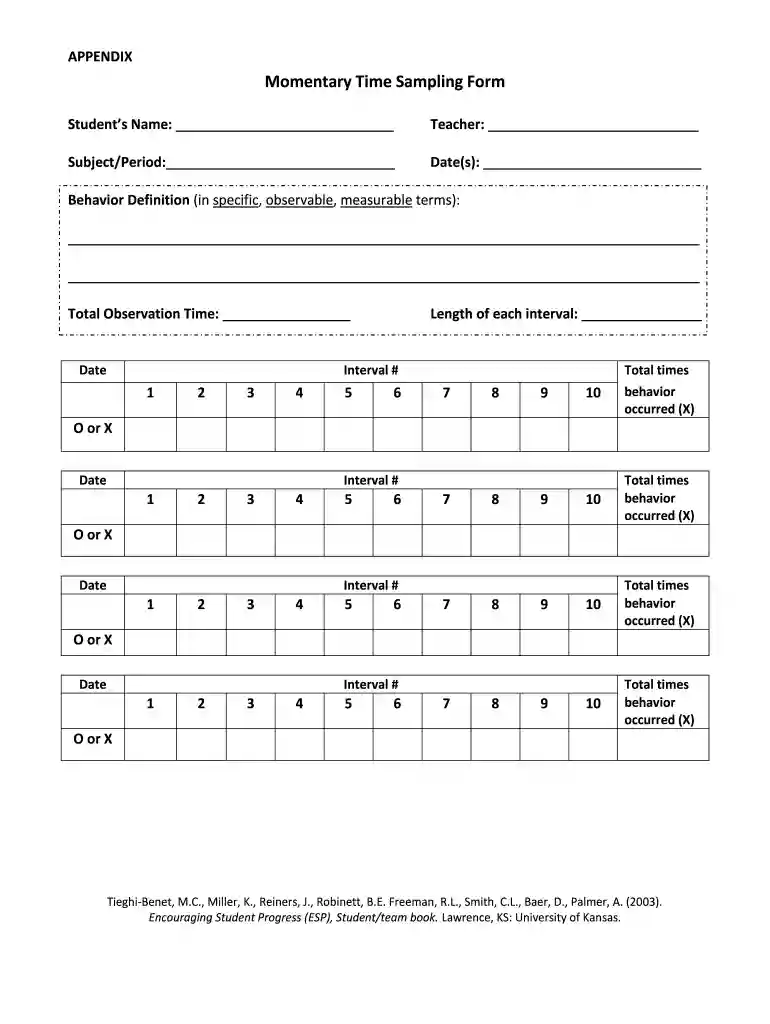
Momentary time sampling is a data collection method used extensively in behavioral analysis and research contexts, particularly within Applied Behavior Analysis (ABA). This technique involves observing whether a specific behavior occurs at predetermined moments, thereby allowing researchers and practitioners to gather representative samples of behavior without needing to collect continuous data. By focusing on specific intervals, momentary time sampling can help in efficiently tracking behaviors, particularly in diverse settings like classrooms and therapy sessions.
In educational environments, momentary time sampling can be particularly beneficial for teachers tracking student engagement or specific behaviors. For instance:
Momentary time sampling is also useful in therapeutic settings, allowing practitioners to monitor client behaviors effectively:
Consider a scenario in a classroom where a teacher aims to assess the frequency of on-task behavior among students:
This example illustrates the practicality of momentary time sampling in identifying behavior patterns and informing instructional strategies.
While momentary time sampling has its advantages, several limitations should be considered:
Utilizing momentary time sampling effectively requires careful planning to ensure that it accurately reflects the behaviors of interest while accounting for its inherent limitations.
To fully leverage the benefits of momentary time sampling, practitioners should aim for clear operational definitions, establish consistent observation protocols, and continually analyze the data collected. By doing so, they can enhance the accuracy of their assessments and improve behavioral interventions based on informed insights.
At DocHub, your data security is our priority. We follow HIPAA, SOC2, GDPR, and other standards, so you can work on your documents with confidence.
by KB Cook 2019 Cited by 16 Abstract. Research indicates that momentary time sampling (MTS) is often the best interval-measurement system when observing duration of behavior.Read more
The data logger can sample using time intervals that vary between 0.01 sec and 500 seconds, and a total of 131,060 samples may be acquired. As its acquired,Read more


