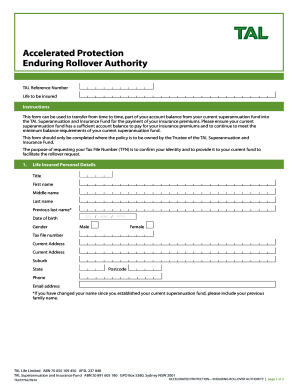
Definition & Meaning of the PSLNFORM
The primary understanding of the PSLNFORM revolves around its function as a standardized document used within specific fields or industries. It is essential to comprehend its purpose and how it fits into broader procedural contexts. Often, such forms are pivotal for regulatory compliance or administrative tasks. Knowing the definition helps in identifying the correct scenarios for its application and ensures proper usage aligned with intended regulations.
The PSLNFORM, within its context, might serve a variety of purposes, such as documentation of procedures, reporting requirements, or formal applications. The nature of the form may vary across state and federal levels, highlighting its adaptability and wide-ranging applicability.
How to Use the PSLNFORM
Understanding how to correctly utilize the PSLNFORM is crucial for ensuring compliance with the requirements it addresses. This involves familiarizing oneself with its segments, ensuring that each section is filled accurately and thoroughly. Observing the order of sections and executing each according to the instructions provided is vital.
- Review Guidelines: Many forms come with specific instructions. Familiarity with them is crucial to avoid common errors.
- Complete Sections Thoroughly: Make sure all fields are filled to prevent delays in processing.
- Verification: Double-check entered information to ensure consistency.
- Submission Requirements: Confirm submission process details, either in a digital format or as paper documentation.
How to Obtain the PSLNFORM
Access to the PSLNFORM typically involves knowing where and how it can be secured. Institutions that require such documentation often provide it through multiple channels.
- Online Platforms: Many official forms are accessible through relevant government websites or organizational portals.
- In-Person: Physical copies may be obtained from government offices or local administrative entities.
- Mail: Certain scenarios may allow for request or delivery via postal services.
These acquisition methods ensure the form is accessible to a broad demographic, facilitating compliance and adherence.
Steps to Complete the PSLNFORM
Navigating the completion process of the PSLNFORM effectively involves understanding specific tasks that need to be accomplished.
- Gather Necessary Information: Before starting, compile all necessary data to ensure complete and accurate form filling.
- Identify Applicable Sections: Not all parts of the form might apply to every situation. Recognize relevant sections for your specific context.
- Follow Sequence: Complete sections in the designated order to ensure logical flow and coherence.
- Review and Submit: Verification of entered information is especially important before formal submission to prevent errors or omissions.
Why Should You Use the PSLNFORM
The rationale behind the necessity of completing the PSLNFORM primarily involves regulatory or procedural compliance. By completing this form, entities or individuals demonstrate adherence to established requirements, which can shield them from potential legal actions or penalties.
- Regulatory Compliance: Meeting the guidelines set forth by governing bodies.
- Formal Documentation: This form acts as a legal record of actions taken or information provided.
- Operational Efficiency: Streamlines processes that require standard information exchange or documentation.
Who Typically Uses the PSLNFORM
The PSLNFORM's usage is often directed at specific groups within society, determined by respective needs or operational mandates. It may include:
- Businesses: Corporations or small enterprises handling transactions with regulatory bodies.
- Individuals: Citizens partaking in processes that require official documentation.
- Government Agencies: Departments needing consistent documentation for public or internal records.
The exact usage demographics indicate the form's strategic utility and the role it plays in organizational or personal procedures.


Key Elements of the PSLNFORM
The core components of the PSLNFORM include a series of structured sections that collect necessary data or responses. These elements ensure effective information gathering and compliance.
- Identification Information: Typically includes fields for names, addresses, or identification numbers.
- Data Fields: Specific sections dedicated to collecting relevant data unique to the form's purpose.
- Signatures and Consents: Spaces for authorized signatures indicate agreement or understanding.
- Instructions: Detailed guidelines provided to assist in accurate completion.
Understanding the significance of each element aids in optimal form utilization and compliance.
Examples of Using the PSLNFORM
Practical application scenarios illustrate the form's relevance and highlight typical usage instances. Examples may include:
- Business Registration: Companies submitting PSLNFORM for compliance or procedural initiation.
- Tax Documentary Needs: Individuals providing necessary information for official tax-related processes.
- Educational Institutions: Schools or universities collecting standardized data for administrative needs.
These scenarios help contextualize the form's role within various operational frameworks, demonstrating its importance across different industries or sectors.