







Definition and Meaning
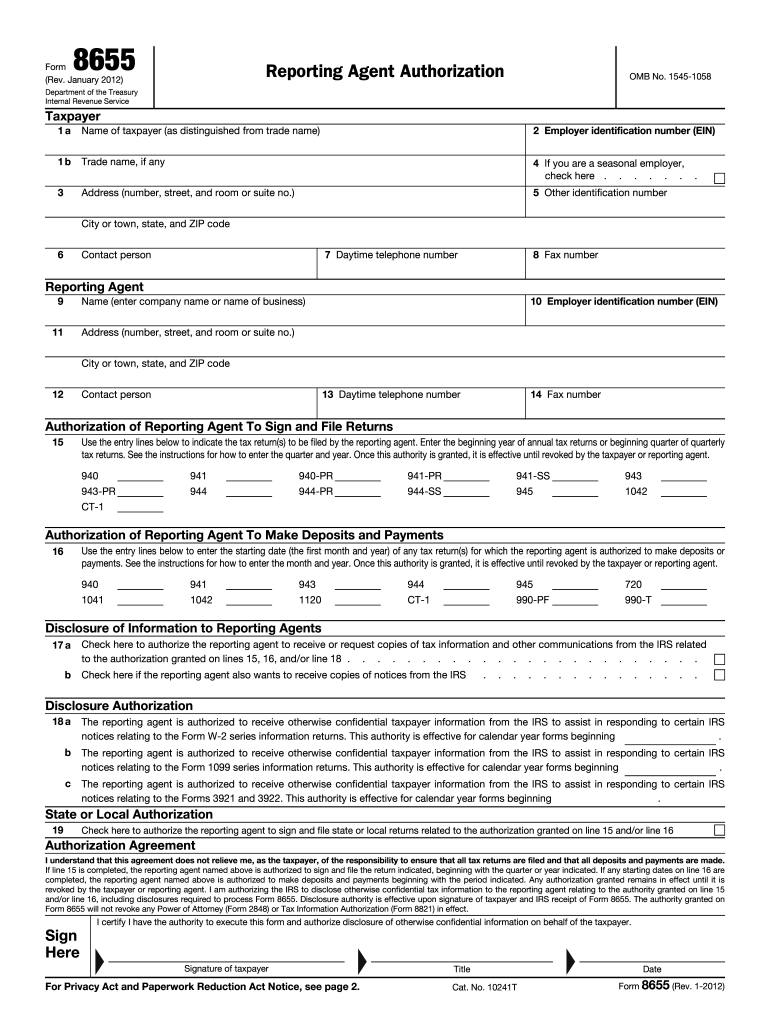
The "registered agent change request form 2012" is a vital document used by businesses to officially update the registered agent associated with their entity. A registered agent acts as the business's official point of contact for receiving legal documents, tax forms, and notices from the state government. Updating the registered agent ensures that the business remains in good standing and maintains accurate records with state authorities.
Importance of Accurate Agent Information
Properly designating a registered agent is crucial because they are responsible for receiving service of process, legal correspondence, and compliance documents. An outdated or incorrect agent on file could lead to missed deadlines or legal complications, as the business might not receive important information in a timely manner.
How to Use the Registered Agent Change Request Form 2012
To effectively use the registered agent change request form 2012, businesses must carefully follow the instructions laid out by the state in which they are registered. This generally involves filling out specific sections of the form to provide updated agent details and ensuring compliance with any state-specific requirements.
Steps for Successful Completion
- Obtain the Current Form: Ensure you have the most current version of the form applicable to 2012, as state regulations and form details may change over time.
- Fill Out Necessary Details: Include essential information such as the business’s name, new registered agent’s name, address, and any other required identification numbers.
- Review for Accuracy: Double-check all entries for spelling and accuracy to prevent processing delays.
- Sign the Form: Ensure the appropriate individuals sign the form, generally an authorized representative of the business.
How to Obtain the Registered Agent Change Request Form 2012
To acquire the registered agent change request form 2012, businesses can typically download it from the website of the Secretary of State or equivalent government office in the state where the business is registered. Alternatively, physical copies can be requested from the same office.
Online Access vs. Mail Request
- Online Download: This is the fastest method, requiring access to a state’s official website where forms are listed for public access.
- Mail Request: For those without internet access, contacting the state office directly to request a mailed form is another viable option.
Steps to Complete the Registered Agent Change Request Form 2012
Completing the form requires attention to detail and adherence to the instructions provided. The process involves several key steps:
- Read Instructions Thoroughly: Familiarize yourself with any instructions or guidelines provided on the form or the corresponding website to prevent errors.
- Enter Business Information: Provide accurate details about the business entity, including its legal name and identification numbers.
- Update Agent Information: Clearly indicate the new registered agent's name, address, and contact information.
- Submit the Completed Form: Follow the guidelines for submission, whether through mail, in-person delivery, or online upload.
Legal Use of the Registered Agent Change Request Form 2012
The use of this form is mandated by state law when a business wishes to change its registered agent. Compliance ensures that the entity remains in good standing and that its records with the state are current and accurate.
Consequences of Non-Compliance
Failure to file the form or provide correct information can result in fines, penalties, or even the dissolution of the entity. It’s important for businesses to adhere to legal requirements to avoid these potential issues.
Important Terms Related to the Registered Agent Change Request Form 2012
Understanding key terms is essential when dealing with this form:
- Registered Agent: A person or business designated to receive legal documents on behalf of a corporation or LLC.
- Service of Process: Legal procedure by which a party to a lawsuit gives an appropriate notice of initial legal action to another party.
- State Compliance: Adherence to state-specific regulations and requirements governing business operations.
State-specific Rules for the Registered Agent Change Request Form 2012
Each state may have unique rules and requirements concerning how registered agent changes are reported. It’s crucial to consult the specific guidelines relevant to the state in which your business is incorporated.
Common Variations
- Submission Deadlines: Some states may require changes to be registered within a certain time frame after the agent change occurs.
- Filing Fees: Different states have varying fee structures for processing these forms, which may affect how and when the change is reported.
Examples of Using the Registered Agent Change Request Form 2012
Businesses across various sectors might need to use this form under specific circumstances:
- Business Relocation: When a company moves its headquarters and needs to appoint a more geographically suitable registered agent.
- Change of Service Firm: If the business decides to switch from one registered agent service provider to another for better service or cost efficiency.
Practical Scenarios
For instance, a local LLC moving its operations from one city to another within the state would need to update the registered agent to ensure that legal documents are directed to the correct address. Similarly, a corporation switching to a national registered agent service may use this form to formalize the change with the state.


