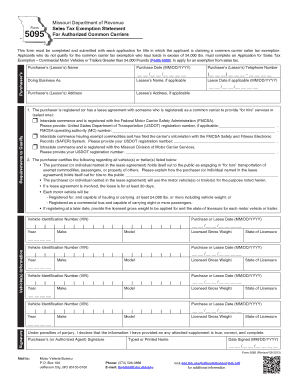
01. Edit your form online
Type text, add images, blackout confidential details, add comments, highlights and more.

Type text, add images, blackout confidential details, add comments, highlights and more.

Draw your signature, type it, upload its image, or use your mobile device as a signature pad.

Send it via email, link, or fax. You can also download it, export it or print it out.
The Employee Electric Vehicle Charging Application is a form designed to facilitate the process by which employees can request access to electric vehicle (EV) charging facilities within an organization. It supports the growing demand for EV infrastructure and aligns with sustainable transportation initiatives. The form captures essential employee information, details about the vehicle, and preferences for charging options. Additionally, it includes sections that outline usage guidelines, fee structures based on battery capacity, and policies for shared access. By providing a structured framework, the application enables organizations to manage EV charging efficiently and ensures employees comply with relevant state laws and agency policies.
Gather Information:
Select Charging Options:
Review Guidelines and Policies:
Authorize Payroll Deduction:
Submit the Form:
Employee Information: Includes personal details necessary for identification and communication.
Vehicle Details: Captures specifics about the vehicle to ensure compatibility and track usage.
Charging Options: Offers various plans or tariffs tailored to different vehicle types and usage patterns.
Compliance Information: Details the state-specific laws and organizational policies employees must adhere to.
Authorization Section: For payroll deduction of charging fees, this ensures transparent and agreed-upon financial arrangements.
Battery Capacity: Refers to the total energy storage of the EV, impacting charging time and cost.
Payroll Deduction: A method of payment where charging fees are automatically withdrawn from the employee’s salary.
Charging Infrastructure: Refers to the physical and network components required for EV charging operations.
Extension Cords: Restrictions on use to prevent safety hazards and ensure proper operational standards.
In Oregon, specific regulations govern the installation and use of electric vehicle charging stations. Organizations must ensure that their charging setup complies with state laws, which may dictate the technical specifications of chargers, required permits, and user guidelines to promote safety and efficiency. The application also emphasizes adherence to these local regulations, ensuring that employees can confidently access and utilize EV charging facilities without breaching compliance.
While the application can be completed in either paper or digital form, the digital version offers significant advantages. Online submissions allow for real-time data validation, ease of storage and retrieval, and integration with other digital workplace systems. Additionally, the digital format supports enhanced security measures, ensuring that sensitive employee and vehicle information is protected through encryption and secure access protocols.
Consider an employee who drives a plug-in hybrid vehicle with a moderate battery capacity. This individual opts for a lower-cost charging plan due to their reduced energy needs and only charges at the facility once a week. Another example might be a full-time remote worker who occasionally visits the office and prefers a pay-as-you-go model to avoid regular charges. These scenarios illustrate the application's flexibility in accommodating diverse employee needs while maintaining organizational standards.
Failure to adhere to the rules and guidelines outlined in the application can result in penalties. For instance, using unauthorized equipment or exceeding designated charging times may lead to suspension of charging privileges. Clear communication of these penalties ensures that all employees understand the consequences of non-compliance and encourages responsible usage of the charging infrastructure.
We've got more versions of the EMPLOYEE ELECTRIC VEHICLE CHARGING APPLICATION Print - oregon form. Select the right EMPLOYEE ELECTRIC VEHICLE CHARGING APPLICATION Print - oregon version from the list and start editing it straight away!
At DocHub, your data security is our priority. We follow HIPAA, SOC2, GDPR, and other standards, so you can work on your documents with confidence.