Definition and Meaning of the Rental Agreement in Saskatchewan
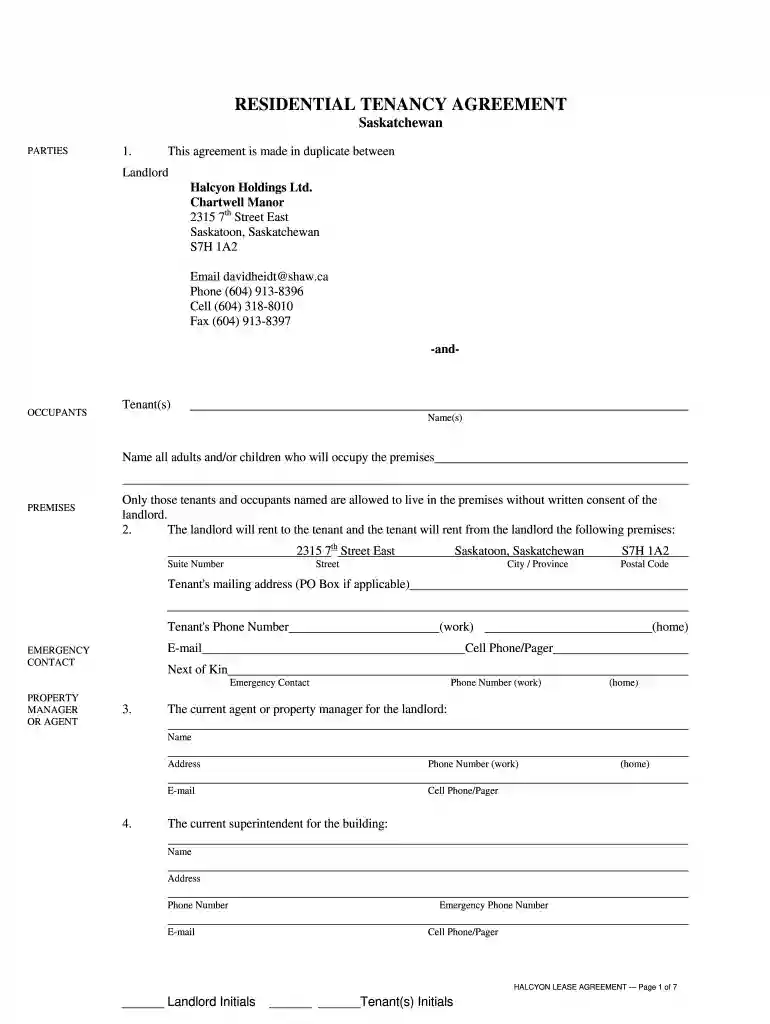
A rental agreement in Saskatchewan is a legally binding document that outlines the terms and conditions under which a tenant may occupy a rental property. This document is crucial as it serves as a reference point for both landlords and tenants regarding their rights and responsibilities throughout the tenancy.
Key Components of a Rental Agreement
- Parties Involved: The agreement identifies the landlord and tenant(s) and includes their contact information.
- Property Description: It specifies the rental property address and any included fixtures or amenities.
- Lease Term: It outlines the duration of the lease, which can be fixed-term (for a specific period) or month-to-month.
- Rent Amount: The agreement states the monthly rent due and outlines payment methods and deadlines.
- Security Deposit: It includes information about any security deposit required and conditions for its return.
Importance of the Rental Agreement
Having a clearly defined rental agreement protects the interests of both parties by establishing expectations and mitigating disputes. It adheres to the Residential Tenancies Act, which governs rental practices in Saskatchewan, ensuring compliance with local laws.
How to Use the Rental Agreement in Saskatchewan
Using a rental agreement effectively involves several steps to ensure that both parties understand and consent to the terms outlined.
Steps to Follow
- Read the Agreement Thoroughly: Both parties should read the document carefully to ensure all terms are accurately represented.
- Negotiate Terms: If necessary, negotiate specific terms such as rent amount, duration, or rules regarding pets.
- Sign the Agreement: Both the landlord and tenant must sign the agreement, and each party should retain a copy for their records.
- Understand Legal Terms: Familiarize yourself with critical terms associated with the agreement, including notice periods for termination and maintenance responsibilities.
Considerations
- Ensure you comply with local regulations regarding the content and structure of the rental agreement.
- Review the terms periodically to ensure continued compliance with updated laws or changes in circumstances.
How to Obtain the Rental Agreement in Saskatchewan
Obtaining a rental agreement in Saskatchewan involves various options, catering to different needs and preferences.
Available Options
- Online Resources: Numerous websites provide templates for rental agreements that comply with Saskatchewan law, allowing users to download and customize documents as needed.
- Real Estate Professionals: Landlords can work with real estate agents or property management companies that offer standardized rental agreements tailored to local practices.
- Legal Services: Consulting with a lawyer can ensure that the rental agreement is legally sound and addresses specific needs.
Features to Look For
- Access to customizable templates.
- Compliance with the Residential Tenancies Act.
- Ability to download agreements in popular formats such as PDF.
Key Elements of the Rental Agreement in Saskatchewan
Understanding the key elements of a rental agreement is essential for both landlords and tenants to protect their interests.
Essential Elements
- Identification of Parties: Clear identification of all parties involved, including landlords and tenants.
- Property Details: Complete address and description of the rental property.
- Rent Details: Clear definition of rent amount, due dates, and acceptable payment methods.
- Termination Clause: Outlines the conditions under which either party can terminate the agreement, including notice requirements.
- Maintenance Responsibilities: Specifies who is responsible for maintenance and repairs of the property.
Additional Provisions
- Pet Policy: Details on whether pets are allowed and any associated fees.
- Smoking Policy: Guidelines on smoking within the property.
- Subletting Terms: Rules regarding the subletting of the rental unit.
Important Terms Related to the Rental Agreement in Saskatchewan
In order to navigate rental agreements effectively, understanding specific terms is critical.
Common Terms and Their Meanings
- Lease vs. Rental Agreement: A lease typically refers to a long-term commitment, whereas a rental agreement can be more flexible.
- Security Deposit: A sum of money held by the landlord as assurance against potential damages or unpaid rent.
- Tenant Rights: Legal entitlements of tenants, which may include quiet enjoyment, privacy, and habitable living conditions.
- Landlord Responsibilities: Obligations of landlords to maintain the property and address tenant concerns timely.
Legal References
Familiarity with the Residential Tenancies Act will provide both parties with a framework for understanding rental agreements and ensuring compliance with legal standards.
Examples of Using the Rental Agreement in Saskatchewan
Practical applications of the rental agreement can illustrate its importance and versatility within real estate transactions.
Case Scenarios
- New Tenancy: A landlord uses a rental agreement to outline the terms for a newly constructed unit, ensuring all modern amenities are included in the contract.
- Existing Tenancy: A landlord and tenant review the current agreement before renewal, allowing them to adjust the rent or terms as needed.
- Dispute Resolution: If a dispute arises over a late rent payment, the rental agreement serves as the reference point for resolving the issue according to the agreed-upon terms.
Value of Real-Life Applications
Real-world examples emphasize the necessity of rental agreements to safeguard both parties’ interests and maintain a professional relationship throughout the tenancy.