Refusal of medical treatment form 2026

Get Form
refuse medical treatment form Preview on Page 1

Here's how it works

01. Edit your refuse medical treatment form online
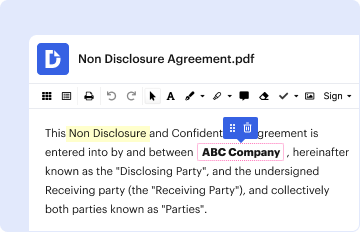
Type text, add images, blackout confidential details, add comments, highlights and more.
02. Sign it in a few clicks
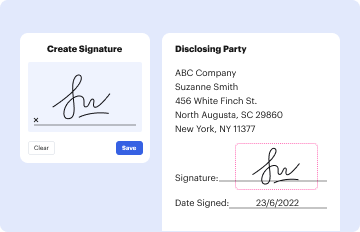
Draw your signature, type it, upload its image, or use your mobile device as a signature pad.
03. Share your form with others
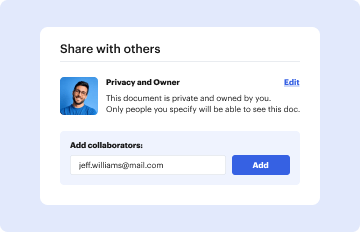
Send refusal of medical treatment form via email, link, or fax. You can also download it, export it or print it out.

How to use or fill out refusal of medical treatment form with our platform

Form edit decoration
9.5
Ease of Setup
DocHub User Ratings on G2
9.0
Ease of Use
DocHub User Ratings on G2
  1. Click ‘Get Form’ to open the refusal of medical treatment form in the editor.
  2. Begin by entering your name in the 'Employee Name' field, followed by your work location and today's date.
  3. In the 'Brief Description of Injury' section, provide a concise summary of the injury you sustained.
  4. In the acknowledgment statement, clearly write your name where indicated to confirm your refusal of medical treatment and/or observation.
  5. Sign the form in the 'Employee Signature' section. Ensure that your signature is clear and legible.
  6. If applicable, have your supervisor sign in the 'Supervisor Signature' section to validate the process.
  7. Finally, submit the completed form by clicking on ‘Save’ or ‘Send’ to ensure it is properly recorded.

Start using our platform today for free to streamline your document editing and signing experience!

be ready to get more

Complete this form in 5 minutes or less

Get form

Got questions?

We have answers to the most popular questions from our customers. If you can't find an answer to your question, please contact us.
Contact us
Your documentation needs to tell a clear story. First, document the results of the mental status assessment, including patient statements and behaviors. Then, document the information you provided to your patient and his response, in his own words. Note any additional written information you gave him.
As with the informed consent process, informed refusal should be documented in the medical record and include the following: describe the intervention offered; identify the reasons the intervention was offered; identify the potential benefits and risks of the intervention;
Document Nonadherent or Noncompliant Behavior Document with specificity any nonadherent, noncompliant, or disruptive behavior, such as canceled or no-show appointments, failure to follow instructions, and inappropriate conduct toward staff or other visitors to the practice.
An advance decision to refuse treatment (ADRT) is a statement of your wishes to refuse a certain treatment. It is a way of making sure everyone knows what treatments you do not want to have, if you become unable to make your own decisions. It will only be used if you cannot make or communicate a decision for yourself.
documentation of a patients refusal to undergo a test or intervention should include: an assessment of the patients competence to make decisions, a statement indicating a lack of coercion; a description of your discussion with him (or her) regarding the need for the treatment, alternatives to treatment, possible

Security and compliance

At DocHub, your data security is our priority. We follow HIPAA, SOC2, GDPR, and other standards, so you can work on your documents with confidence.

Learn more
ccpa2
pci-dss
gdpr-compliance
hipaa
soc-compliance
be ready to get more

Complete this form in 5 minutes or less

Get form

People also ask

Informed refusal is where a person has refused a recommended medical treatment based upon an understanding of the facts and implications of not following the treatment. Informed refusal is linked to the informed consent process, as a patient has a right to consent, but also may choose to refuse.
In subject area: Nursing and Health Professions. Treatment refusal is defined as the decision by families to decline or withdraw medical treatment for a child, often influenced by cultural, religious, and socioeconomic factors, as seen in cases of retinoblastoma where up to 30% of families refuse treatment.
Present the reason for the treatment, ask (and listen!) to the reasons why they refuse, clarify any misconception, then inform the practitioner and charge nurse. Document all of the above. The sane have the right to refuse. Informed consent means that informed refusal is also an option.

employee refusal of medical treatment form