



Va describe 2026

Get Form
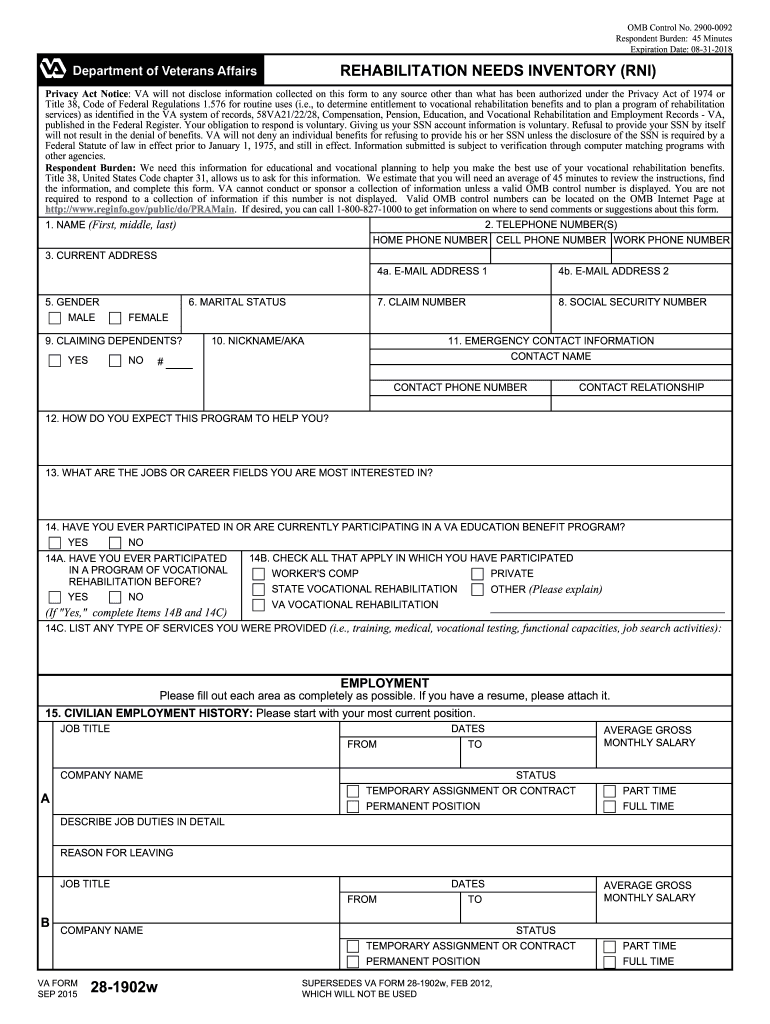
va describe Preview on Page 1

Here's how it works

01. Edit your form online
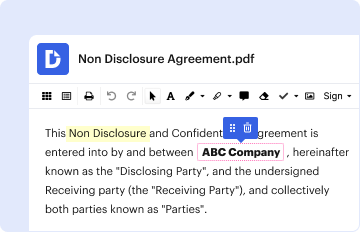
Type text, add images, blackout confidential details, add comments, highlights and more.
02. Sign it in a few clicks
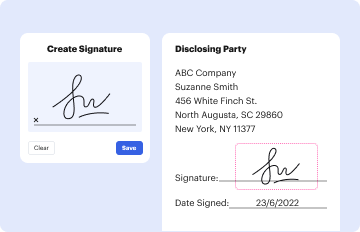
Draw your signature, type it, upload its image, or use your mobile device as a signature pad.
03. Share your form with others
Send it via email, link, or fax. You can also download it, export it or print it out.

Definition and Meaning of VA Describe

The "VA Describe" form, known officially as the Rehabilitation Needs Inventory (RNI), is an essential document used by veterans who are seeking vocational rehabilitation benefits through the Department of Veterans Affairs (VA). The form plays a critical role in assisting veterans with their educational and vocational planning by collecting necessary personal and professional information. This compilation includes employment history, military service details, and educational background, among other factors, relevant to securing rehabilitative services.

Purpose and Structure

The primary function of the VA Describe form is to streamline the process of planning for vocational rehabilitation. It includes several sections that veterans must fill out, each serving a distinct purpose:

  • Personal Information: To gather basic identifying data about the applicant.
  • Employment History: To evaluate the veteran's work experience and past roles.
  • Military Service Details: To document the veteran's service history and discharge status.
  • Education Background: To ascertain educational achievements and training.
  • Disabilities and Medical Needs: To identify any disabilities and necessary medical treatment related to rehabilitation services.
  • Miscellaneous Information: To capture additional relevant details contributing to the veteran’s rehabilitation goals.

How to Use the VA Describe Form

Using the VA Describe form involves several steps that guide veterans through its comprehensive sections. Veterans are advised to approach this form methodically for accuracy and completeness.

Step-by-Step Completion Process

  1. Gather Necessary Information: Before starting, ensure you have all required documents readily available, such as service records and medical certifications.
  2. Personal Details: Fill in personal information, ensuring accuracy in contact details and social security number.
  3. Employment and Military Service: Provide detailed employment and military service records, including dates, roles, and responsibilities.
  4. Educational and Vocational Background: List all educational qualifications and any vocational training received.
  5. Disabilities and Treatment: Clearly describe any disabilities and current medical treatment plans relevant to the rehabilitation services sought.
  6. Review and Verification: Once completed, review all sections for accuracy before submission to prevent delays in processing.

Practical Example

For instance, a veteran who served during Operation Enduring Freedom may list their military role, duration of service, and details of any service-related disabilities. Including accurate academic records from technical training or college courses can aid in crafting a viable rehabilitation plan that aligns with the veteran's goals and abilities.

Obtaining the VA Describe Form

Veterans can obtain the VA Describe form through multiple channels to ensure accessibility and convenience.

Available Methods

  • Online: Visit the official VA website to download the form in PDF format for printing and completion by hand.
  • In-Person: Veterans can visit their nearest VA regional office to collect a physical copy of the form.
  • Request by Mail: Contact the VA and request that a copy be sent directly to your home address.

Importance of the VA Describe Form

The VA Describe form is critical for veterans in securing vocational rehabilitation benefits, offering a structured approach to presenting their needs and qualifications to the VA.

Key Benefits

  • Enhanced Rehabilitation Planning: Provides detailed insights into the veteran's background essential for crafting tailored rehabilitation programs.
  • Benefit Eligibility: Completeness and accuracy in the form can influence the outcome of benefits eligibility and allocation.
  • Comprehensive Data: Collects sufficient information that facilitates personalized assessments and supports strategic planning for educational or vocational advancement.

Real-World Scenarios

For example, a veteran transitioning from military service to civilian employment may use this form to capitalize on their military leadership experience, translating it into civilian job opportunities with the aid of VA-provided vocational training.

Who Typically Uses the VA Describe Form

The primary users of the VA Describe form are veterans seeking assistance through vocational rehabilitation programs. It caters to diverse veteran profiles:

decoration image ratings of Dochub

Typical Users

  • Recently Discharged Veterans: Those entering civilian life and requiring guidance in career transitions.
  • Disabled Veterans: Individuals with service-related disabilities seeking specialized rehabilitation support.
  • Veterans Pursuing Higher Education: Those aiming to further their education or training to enhance career prospects.

Case Study

Consider a veteran who has been medically discharged and faces occupational challenges due to physical disabilities. Utilizing the VA Describe form can mark the beginning of their journey towards acquiring the skills and support necessary for sustainable, long-term employment.

Legal Use of the VA Describe Form

Compliance with legal guidelines when using the VA Describe form is imperative for effective processing and confidentiality.

Legal Context and Requirements

  • Privacy Compliance: Adherence to privacy regulations ensures the protection of sensitive personal and medical information shared through the form.
  • Voluntary Information Provision: While providing certain information on the form is voluntary, withholding it may affect benefit determination or processing time.
  • Legally Binding Submissions: Once completed and submitted, the form becomes part of the legal assessment process for determining benefit eligibility.

Legal Considerations

Veterans should be conscious of the privacy statements included within the form, understanding their rights concerning the data provided.

Key Elements of the VA Describe Form

Understanding the core components of the VA Describe form helps in its accurate and effective completion.

Core Sections

  • Identification Details: Accurate name, contact, and social security information.
  • Employment and Service Record: Comprehensive documentation of past and current job roles and military service.
  • Education and Training Background: List of completed courses, internships, and relevant certifications.
  • Disability and Health Information: Declaration of medical conditions pertinent to rehabilitation needs.
  • Miscellaneous Areas: Capture other relevant information not covered in previous sections, such as personal rehabilitation goals.

Detailed Description

Each section requires precise information to justify rehabilitation support requests effectively. For example, detailed health information aids in customizing benefit plans to align with the veteran’s physical capabilities.

Examples of Using the VA Describe Form

Understanding practical applications and the role of the VA Describe form can aid in its effective utilization within the veteran community.

Real-Life Instances

  • Career Transition: Veterans striving for employment post-military use it to articulate career objectives matching their skills.
  • Academic Continuation: Those who wish to further their education through VA support submit it to establish eligibility and specific educational needs.
  • Chronic Disability Management: Veterans with long-term disabilities work with vocational counselors using the form to create practicable rehabilitation roadmaps.

Best Practices

Completing the form accurately and providing comprehensive, honest answers maximizes the potential for favorable benefit determinations and tailored rehabilitation support.

be ready to get more

Complete this form in 5 minutes or less

Get form

Got questions?

We have answers to the most popular questions from our customers. If you can't find an answer to your question, please contact us.
Contact us
Disability Benefits for Veterans with Parkinsons disease The minimum VA disability rating for Parkinsons disease is 30%. However, you must consider other important factors that can increase this rating to 100%. While you may be awarded 30%, that rating alone may be incomplete. The 30% rating is the starting point.
Early signs of Parkinsons often appear subtly and can include non-motor issues like loss of smell, sleep problems (acting out dreams), constipation, and depression, which may precede motor symptoms by years. Motor signs can manifest as a slight tremor in a limb, stiffness, smaller handwriting (micrographia), softer voice, or reduced arm swing when walking, often affecting one side more than the other initially. Non-Motor Early Signs (Can appear years before motor symptoms): Loss of Smell (Anosmia): A reduced ability to smell, especially for foods like bananas or pickles. Sleep Disorders: Talking, yelling, or thrashing during sleep (REM Sleep Behavior Disorder). Constipation: Difficulty with movements, often chronic. Depression/Anxiety: Mood changes, even without an obvious cause. Motor Early Signs (May appear later or alongside non-motor signs): Tremor: A slight shaking in a finger, hand, or jaw, often when at rest. Stiffness (Rigidity): Tightness in arms, legs, or shoulders, making movement difficult. Slowness of Movement (Bradykinesia): Difficulty initiating movement or performing routine actions. Handwriting Changes: Writing becomes smaller and more cramped (micrographia). Voice Changes: Voice becomes softer, breathy, or hoarse. Gait Changes: Reduced arm swing when walking or shuffling steps. Masked Face: Reduced facial expression, appearing serious or unexpressive. When to See a Doctor: While a single sign isnt usually a cause for alarm, experiencing several of these symptoms, especially the non-motor ones, warrants a consultation with a doctor or neurologist for proper evaluation and diagnosis. This is for informational purposes only. For medical advice or diagnosis, consult a professional. 10 Early Signs | Parkinsons FoundationParkinsons FoundationEarly Signs of Parkinsons Disease | Mass General BrighamMar 10, 2025Mass General Brigham
The 2021 Honoring Our PACT Act has expanded the list of conditions eligible for presumptive service connection due to toxic exposure. A veteran may be eligible for this presumption if they have a diagnosis of sinusitis and meet the criteria for covered veterans.Dec 18, 2025
VA most commonly refers to the U.S. Department of Veterans Affairs, a federal agency providing healthcare and benefits to military veterans, but it can also mean Virginia (postal code), virtual assistant, or volt-ampere (in electrical contexts). The specific meaning depends on the context, with VA for Veterans Affairs being a very common usage in government and healthcare. Common Meanings of VA Department of Veterans Affairs (VA): The U.S. federal agency managing benefits, healthcare, and support for veterans and their families. Virginia (VA): The states postal abbreviation, often seen in addresses. Virtual Assistant (VA): A remote professional providing administrative, technical, or creative support to clients. Volt-Ampere (VA): An electrical unit measuring apparent power. Vice Admiral (VAdm): A naval rank. In Context VA hospital or VA benefits: Refers to the Department of Veterans Affairs. 90210 VA: Refers to Virginia. Hiring a VA: Refers to a virtual assistant. A 500 VA inverter: Refers to volt-amperes. AI can make mistakes, so double-check responsesVA Definition Meaning - Merriam-Webster1 of 2. abbreviation (1) Virginia. VA. 2 of 2. abbreviation (2) 1. Veterans Administration; (Department of) Veterans Affairs. 2. vMerriam-Webster DictionaryVA TITLES AND ABBREVIATIONSApr 14, 1997 FIRST REFERENCE TO THE DEPARTMENT. a. Except as provided in paragraph c below, when Department is first referenced theVA.gov Home | Veterans Affairs
Yes, many people with Parkinsons disease (PD) can drive safely for years, but driving ability is affected as the disease progresses, requiring regular reassessment due to impacts on motor skills (tremors, slowness), cognition (attention, multitasking), vision, and medication side effects (drowsiness). Safety depends on symptom severity, and periodic evaluations by a doctor or a driving rehabilitation specialist are crucial to determine when to stop driving and find alternatives. How Parkinsons affects driving Motor Skills: Tremors, rigidity, and slowness can make it hard to steer, use pedals, or turn your head to check blind spots. Reaction Time: Slower reflexes can impair responses to hazards. Cognition: Issues with attention, multitasking, and judgment can arise. Vision: Changes in depth perception and night vision can occur. Medication: Drowsiness, dizziness, or confusion from medications can affect alertness. Strategies to maintain driving safety Manage Symptoms: Exercise and stay active to strengthen muscles. Adjust Driving Habits: Avoid nighttime driving, minimize distractions, drive on familiar routes, and avoid driving during off times (when medication wears off). Talk to Your Doctor: Discuss symptoms and medications, and ask for a professional driving evaluation. When to consider stopping Frequent Errors: Difficulty with pedals, steering, or scanning surroundings. Family Concerns: Loved ones express safety worries. Formal Assessment: A driving rehabilitation specialist can give an objective opinion. Alternatives to driving Public transportation. Rides from family, friends, or ride-sharing services. Community transportation programs. This is for informational purposes only. For medical advice or diagnosis, consult a professional. Dexterity Driving | Parkinsons DiseaseDriving with Parkinsons. Concerns about driving involve several issues: physical ability, legal permission, safety, the importancThe Michael J. Fox Foundation for Parkinsons ResearchDriving and Parkinsons Disease - Stanford MedicineDriving and PD. Many people with Parkinsons disease (PD) are able to drive safely for many years, especially if symptoms are wellStanford Medicine

Security and compliance

At DocHub, your data security is our priority. We follow HIPAA, SOC2, GDPR, and other standards, so you can work on your documents with confidence.

Learn more
ccpa2
pci-dss
gdpr-compliance
hipaa
soc-compliance
be ready to get more

Complete this form in 5 minutes or less

Get form

People also ask

Agent Orange and Parkinsons Disease Since then, Vietnam veterans have developed a variety of symptoms related to Agent Orange exposure. This includes Parkinsons Disease, which is one of the presumptive conditions related to Agent Orange that the VA recognizes.Apr 1, 2025
Although the VA does not consider it to be a presumptive service connection, if you developed hypothyroidism and were exposed to wood preservatives from military burn pits, you may be able to use medical evidence like your medical records to establish a service connection for hypothyroidism.
With Parkinsons, avoid foods high in saturated fat, sugar, and salt, plus overly processed items, as they can increase inflammation, affect energy, and worsen symptoms. Protein, especially from meat, can interfere with levodopa medication, so time meals carefully; also limit excess caffeine and alcohol, which disrupt sleep and balance. Tough, dry, or crumbly foods should be avoided due to swallowing issues common in PD. Foods Drinks to Limit or Avoid Saturated Trans Fats: Fatty meats, butter, fried foods, processed snacks, full-fat dairy. Excess Sugar Processed Foods: Soda, sweets, packaged snacks, fast food; these can cause energy crashes and inflammation. High Sodium Foods: Deli meats, canned soups, salty snacks, as high salt can impact blood pressure. Excess Caffeine: Can worsen anxiety and sleep problems. Alcohol: Can interfere with medications and increase fall risk. Dairy: Some studies suggest potential links to increased PD risk, consult your doctor. Iron-Rich Foods Supplements: Avoid taking iron supplements or multivitamins with iron within two hours of levodopa medication. Foods to Be Cautious With High-Protein Meals: Protein (especially from meat) can block levodopa absorption; discuss protein timing with your doctor. Hard-to-Swallow Foods: Dry, tough, or crumbly foods (like tough bread) can increase choking risk; opt for softer textures. Certain Vegetables: Broccoli, cauliflower, and Brussels sprouts might need to be limited if they cause gas, but other plant foods are generally good. Important Considerations Medication Timing: Separate protein from levodopa, and iron from meds. Hydration: Drink plenty of water unless advised otherwise. Consult a Professional: Work with a registered dietitian (RD) for a personalized plan. This is for informational purposes only. For medical advice or diagnosis, consult a professional. Parkinsons Disease Diet | Mass General BrighamApr 7, 2025Mass General BrighamWhat Foods to Avoid with Parkinsons Disease | Senior HealthHigh-Saturated-Fat Foods. Saturated fats are linked to increased inflammation and may contribute to cognitive decline. Limiting thClarendale Arcadia

Related links