







Definition & Meaning
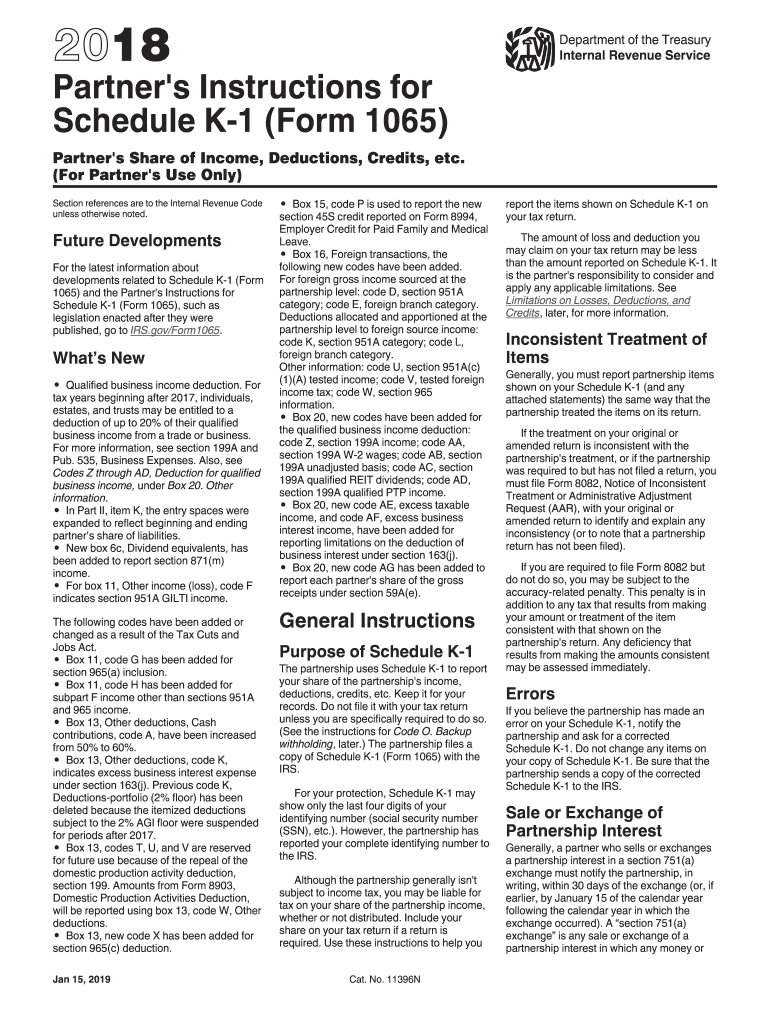
The 2014 Schedule K-1 form, part of the IRS Form 1120S, serves as an informational return used by S corporations to report the shares of income, deductions, credits, and other items of their shareholders. This document is crucial for each shareholder's tax reporting, as it details their parcel of the corporation's fiscal performance which must be included in their personal tax returns. Schedule K-1 does not dictate how taxes should be paid but serves as a summary document reflecting each shareholder's portion of the S corporation's results.
Key Elements of the 2S Schedule K-1
The 2014 Schedule K-1 form comprises multiple sections detailing various aspects of the S corporation's financial activities. Key elements include:
- Ordinary Business Income: The shareholder's share of common income generated from the corporation’s principal activities.
- Net Rental Real Estate Income: Specifically details income or losses from rental real estate ventures.
- Interest/Dividend Income: Includes any interest or dividend income derived from investment activities.
- Deductions: Provides an account of the shareholder’s proportion of any deductible expenses, such as business expenses or charitable contributions.
- Credits: Information regarding tax credits applicable to the shareholder.
Steps to Complete the 2S Schedule K-1
- Gather Required Information: Collect detailed financial data about the corporation’s activities throughout the year, including income, deductions, and credits.
- Calculate Individual Shares: Divide total income and deductions between shareholders based on their ownership percentage or specified designated categories.
- Fill Out Basic Information: Complete shareholder details including name, address, and designated taxpayer identification number.
- Report Income and Deductions: Input the calculated share amounts into the appropriate sections on the Schedule K-1 form.
- Verify and Confirm: Double-check all entries for accuracy. Ensure alignment with the corporation's Form 1120S.
Who Typically Uses the 2S Schedule K-1
Schedule K-1 is utilized by shareholders of S corporations, which can include:
- Individual Shareholders: Often business owners who have opted for an S corporation due to the tax advantages it offers via pass-through taxation.
- Trusts and Estates: Trusts that hold shares in S corporations need to report the income on behalf of beneficiaries through the K-1 schedule.
- Partnerships: Where applicable, partnerships that own shares in S corporations also need to report their share using Schedule K-1.


Legal Use of the 2S Schedule K-1
Schedule K-1 (Form 1120S) plays a pivotal role in legal tax filing and compliance for shareholders. Legally, shareholders are obligated to include the information provided in the K-1 on their personal federal tax returns. The form also guides IRS audits, ensuring that all income derived is correctly accounted for and taxed accordingly.
IRS Guidelines
The IRS has clear guidelines on the preparation and filing of Schedule K-1. It is important to follow these to avoid legal pitfalls and ensure accurate reporting:
- Timely Issuance: Ensure the completed Schedule K-1 is distributed to each shareholder by March 15 (or the applicable due date for filing Form 1120S).
- Correct Reporting: Shareholders must accurately report the information on their personal tax returns to avoid penalties.
- Recordkeeping Requirements: Maintain thorough records that support the figures reported on the K-1 to substantiate positions in case of an IRS examination.
Filing Deadlines / Important Dates
- Corporation Filing Deadline: March 15, 2015, for the 2014 tax year.
- Extended Deadline: If the S corporation files for an extension, the extended deadline is generally September 15, 2015.
- Shareholder Reporting: Shareholders must report their K-1 income on their personal income tax returns, generally due by April 15, 2015.
Business Entity Types
Entities that can benefit from filing a 2S Schedule K-1 include:
- S Corporations: Small and medium-sized business entities that qualify for S corporation status to leverage taxation conveniences.
- Limited Liability Companies (LLCs):LLCs can elect to be taxed as an S corporation, hence also issuing K-1 schedules to members.
- Partnerships with S Corporation Election: Entities structured to leverage the operational benefits of partnerships and tax benefits of an S corporation.




