





Definition and Meaning of Schedule B-1 2016 Form
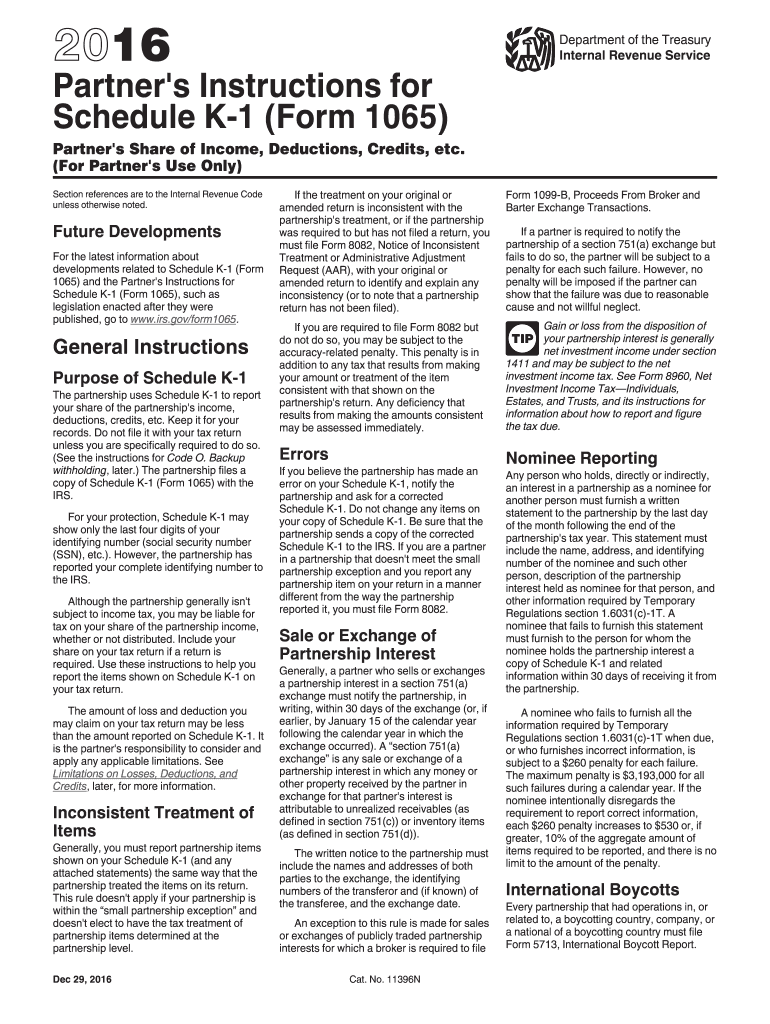
Schedule B-1 2016 Form relates to tax reporting obligations for U.S.-based partnerships. This form identifies partners who are foreign entities or U.S. persons holding outside trusts, partnerships, or estates. It is a crucial component in ensuring compliance with IRS requirements by disclosing key information about significant partners within a partnership. Typically attached to Form 1065, it enables the IRS to collect data on entities that have a substantial influence over the partnership.
How to Use the Schedule B-1 2016 Form
To properly use the Schedule B-1 2016 Form, follow these steps:
- Identify the Significant Partners: Determine which partners have a 50% or greater interest in the partnership's capital, profits, or losses.
- Gather Required Information: Collect essential data, such as the partner's name, address, and taxpayer identification number.
- Fill Out Part I: This section requires the partnership to disclose basic information about the entity and its significant partners.
- Complete Part II: Here, you will provide specific details about each significant partner, including ownership percentage and the nature of the ownership.
- Attach to Relevant Tax Forms: Once completed, attach the Schedule B-1 2016 Form to the partnership’s Form 1065 before submission to ensure comprehensive documentation.
Steps to Complete the Schedule B-1 2016 Form
Completing the Schedule B-1 2016 Form involves the following steps:
- Download the Form: Obtain the form from the IRS website or through authorized tax preparation software.
- Fill Personal Information: Provide the partnership's name, employer identification number (EIN), and relevant tax year.
- List Significant Partners: Enter the required information for each partner with a substantial interest in the partnership.
- Review for Accuracy: Double-check the details to ensure all information is correct, especially the identification numbers and ownership percentages.
- Sign and Date: Ensure that the form is signed by an authorized partner or representative of the partnership before submission.
- Attach to Form 1065: Make sure to attach it securely to Form 1065 and retain a copy for the partnership's records.
Who Typically Uses the Schedule B-1 2016 Form
Typically, partnerships that have foreign or trust-based partners with significant ownership use this form. Partnerships that include complex ownership structures, such as those with trust or multinational operations, often rely on Schedule B-1 to meet IRS disclosure requirements. It is especially relevant for entities with diverse shareholder bases, including corporations with international subsidiaries.

Key Elements of the Schedule B-1 2016 Form
- Partnership Information: Contains the partnership’s legal name, EIN, and tax year.
- Significant Partnership Data: Lists partners who hold a substantial interest and appropriate details, such as addresses and identification numbers.
- Partner Ownership Details: Specifies the ownership percentage of each significant partner to clarify their impact on the partnership's financials.
IRS Guidelines for Schedule B-1 2016 Form
The IRS mandates specific guidelines for filling the Schedule B-1 2016. Partnerships must carefully adhere to the following:
- Disclosure Requirements: Partnerships must disclose all relevant information about partners holding 50% or more of the partnership’s capital or profits.
- Submission Deadlines: The form should be completed and submitted alongside Form 1065, generally due on March 15th of the year following the tax year.
- Accuracy of Information: All data provided must be accurate and verifiable, avoiding any potential discrepancies or omissions.
Penalties for Non-Compliance
Failure to submit the Schedule B-1 2016 Form accurately can result in significant penalties from the IRS, including fines. Misreporting or incomplete filings may lead to:
- Monetary Penalties: These can be substantial, increasing if the failure to comply is deemed willful.
- Increased Scrutiny: The partnership may face enhanced examination by the IRS, resulting in further audits or reviews.
Software Compatibility for Filing
Platforms like TurboTax and QuickBooks offer features to support the filing of Schedule B-1 along with Form 1065. Here is how software can assist:
- Automated Data Entry: Many tax software options allow direct input of data, reducing the risk of manual errors.
- Integrated Filing: These programs can securely submit forms to the IRS electronically, streamlining the filing process for partnerships.
Taxpayer Scenarios
Different taxpayer scenarios may influence the requirement to file Schedule B-1:
- Self-employed Individuals: In partnerships, if they reach the ownership threshold, they may need to provide additional documentation.
- Multinational Corporations: Companies with complex international operations must pay close attention to foreign partner disclosures.

Conclusion
Understanding the use and requirements of Schedule B-1 2016 Form ensures that partnerships meet their IRS obligations effectively. Proper completion and submission help avoid penalties and maintain compliance, illustrating comprehensive partner ownership and affiliation within the partnership structure.