
Driver training inspection 2026

Get Form
driver school inspection Preview on Page 1

Here's how it works

01. Edit your driver school inspection online
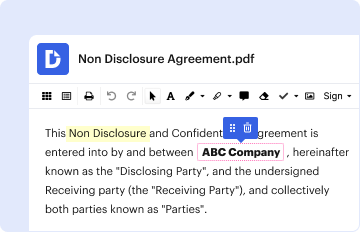
Type text, add images, blackout confidential details, add comments, highlights and more.
02. Sign it in a few clicks
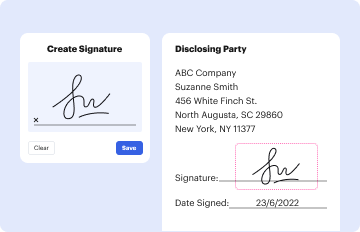
Draw your signature, type it, upload its image, or use your mobile device as a signature pad.
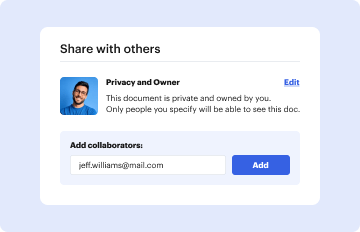
03. Share your form with others
Send it via email, link, or fax. You can also download it, export it or print it out.

How to use or fill out driver training inspection with our platform

Form edit decoration
9.5
Ease of Setup
DocHub User Ratings on G2
9.0
Ease of Use
DocHub User Ratings on G2
  1. Click ‘Get Form’ to open the driver training inspection form in the editor.
  2. Begin by entering the 'Date of Inspection' in the designated fields, ensuring you include the month, day, and year.
  3. Fill in the 'Name of Driver Training School' along with the 'Street Address', 'City', 'State', and 'ZIP' code accurately.
  4. In the 'Additions' section, list each vehicle being added. For each vehicle, provide details such as 'Year', 'Make', 'Serial No.', and 'License No.'. Indicate whether it is owned or leased by marking the appropriate box.
  5. Ensure that all vehicles listed are compliant with safety regulations. The inspector must initial next to each entry after verification.
  6. Complete the declaration at the bottom of the form, confirming that you are an authorized representative of the driver training school and that all information is accurate.
  7. For deletions, follow a similar process by listing any vehicles no longer in operation and confirming their removal from service.

Start using our platform today for free to streamline your driver training inspection process!

be ready to get more

Complete this form in 5 minutes or less

Get form

Got questions?

We have answers to the most popular questions from our customers. If you can't find an answer to your question, please contact us.
Contact us
Here are the steps you can take to streamline your process. Create an Inspection Strategy. Before conducting a safety inspection, its imperative to plan for it. Conduct the Safety Inspection. Review the Data. Implement Corrective Actions. Follow Up on Your Findings.
7 Steps of the Inspection Process Step 1 Onsite Inspection. Step 2 Verification of Quantity. Step 3 Choose product samples. Step 4 Workmanship verification. Step 5 Function, Mechanical Electrical Safety Testing. Step 6 Labelling Phase. Step 7 Final Inspection Reporting.
A 7 Point Inspection is a thorough examination of a vehicles key components to ensure they are in good working order. This inspection typically includes checking the vehicles tires, brakes, lights, fluids, belts, battery, and windshield wipers.
Vehicle Inspection Requirements Only a few counties in the state of Tennessee have a mandatory emissions test requirement. The residents of Sumner, Hamilton, Rutherford, Davidson, Williamson, and Wilson counties in Tennessee must have their vehicles inspected for emissions annually before the registration.
Headlights, brake lights, turn signals, reverse lights, side marker lights and even the little license plate bulbs are some of the most common reasons cars fail inspection.

Security and compliance

At DocHub, your data security is our priority. We follow HIPAA, SOC2, GDPR, and other standards, so you can work on your documents with confidence.

Learn more
ccpa2
pci-dss
gdpr-compliance
hipaa
soc-compliance

People also ask

The trip inspection report must be produced upon demand if either the police or Ministry of Transportation inspectors stop the vehicle. At the end of the day, the completed inspection report can be removed from the vehicle and filed. The inspection reports are to be kept for three months.
STEP 6: Check Signal Lights Turn off all lights. Turn on stop lights (apply trailer hand brake or have a helper put on the brake pedal). Turn on left turn signal lights.
For a field inspection report specifically, start by gathering all the data you need: take pictures to document physical conditions, collect notes on abnormalities and follow existing checklists or protocols that are relevant to your industry or project.

Related links