Understanding the Army Master Authorization List (MAL)
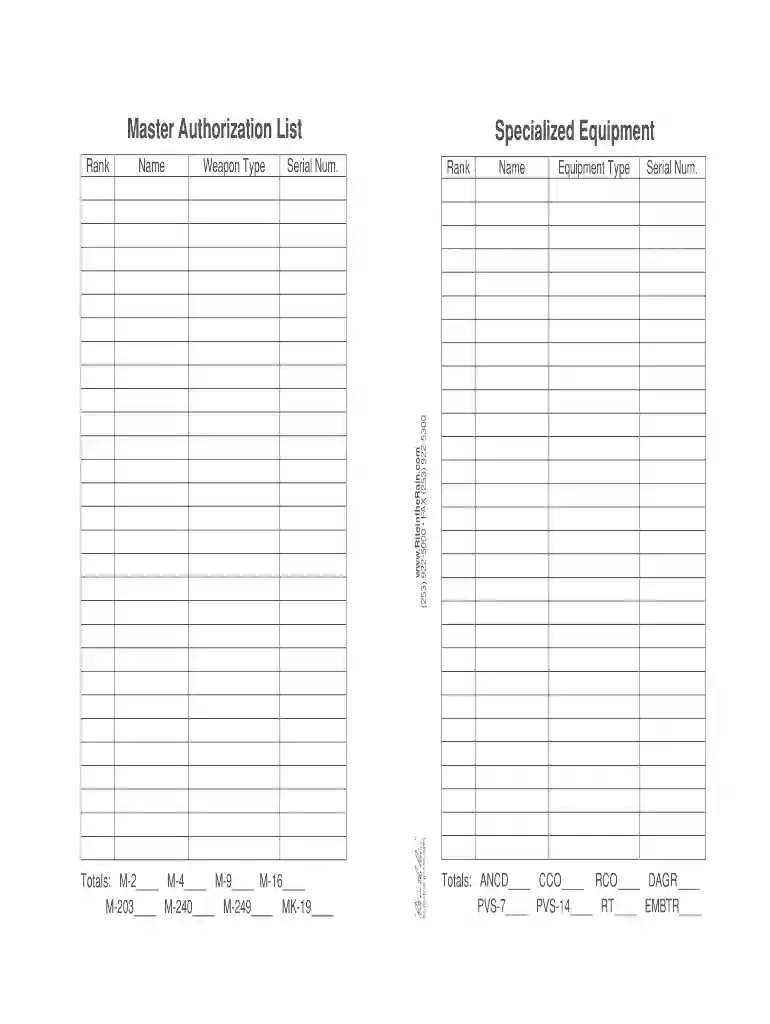
The Army Master Authorization List (MAL), commonly referred to as the army mal, is a comprehensive document that provides military units with vital details regarding the weapons, specialized equipment, and controlled items within their custody. This structured overview is essential for operational readiness, accountability, and compliance with regulatory requirements.
Definition and Purpose of the MAL
The army mal serves as an authoritative reference for units, summarizing the types of weapons and equipment they are authorized to possess. The primary purpose of this document includes:
- Inventory Management: It helps maintain accurate records of military assets, ensuring that all weapons and equipment are accounted for.
- Operational Readiness: By outlining authorized items, the MAL supports mission planning and readiness assessments.
- Regulatory Compliance: It is essential for compliance with military regulations regarding the control and management of sensitive items.
Key Components of the Army MAL
The army mal typically includes the following key components:
- Types of Equipment: Lists various types of weapons and specialized equipment, including firearms, vehicles, and communication devices.
- Serial Numbers: Provides serial numbers for each item, essential for tracking and inventory control.
- Rank Organization: Details the rank of personnel authorized to handle specific weapons, ensuring compliance with military protocols.
How to Use the Army MAL
Utilizing the army mal requires familiarity with its structure and contents. Here are important steps to follow:
- Identification: Review the MAL to identify the specific items authorized for your unit. Cross-reference these items with your inventory.
- Auditing: Conduct regular audits against the MAL to ensure all authorized items are accounted for in your inventory.
- Reporting: Report discrepancies immediately, as maintaining accurate records is crucial for operational integrity.
Examples of Army MAL in Practice
In real-world scenarios, the army mal proves invaluable:
- Deployment Planning: Prior to deployment, units can consult the MAL to ensure they have all necessary equipment listed, facilitating effective operational planning.
- Equipment Inspections: During inspections, military leaders can reference the MAL to determine compliance and readiness status, identifying any items out of place.
Importance of the Army MAL for Accountability
Accountability is a core aspect of military operations. The MAL plays a significant role in maintaining:
- Traceability: Every item accounted for on the MAL has a corresponding ownership record, enhancing the accountability of military assets.
- Inter-Unit Communication: The MAL facilitates communication between units regarding equipment transfer or sharing, ensuring clarity on asset ownership.
Legal and Regulatory Framework Surrounding the MAL
The use of the army mal is governed by several regulations and policies, particularly those related to:
- Weapon Control: Military regulations dictate strict control measures for handling and transferring weapons to prevent loss or misuse.
- Compliance Audits: Regular audits are mandated to ensure compliance with the MAL, aiding in maintaining operational security and readiness.
Variations and Related Forms
Within military operations, there may be other forms related to the MAL, such as:
- Specialized Authorization Lists: Specific units may maintain tailored lists for highly classified equipment.
- Inventory Forms: Separate forms designed for detailed inventory submissions that complement the information found in the MAL.
Conclusion
The army mal is a foundational element of military logistics and accountability. By understanding its definition, purpose, components, and applications, military personnel can ensure they are adhering to regulations and maintaining operational effectiveness. Proper utilization of the army mal fosters accountability, enhances readiness, and supports efficient asset management within military units.