




Definition and Overview of the Printable Tube Feeding Log
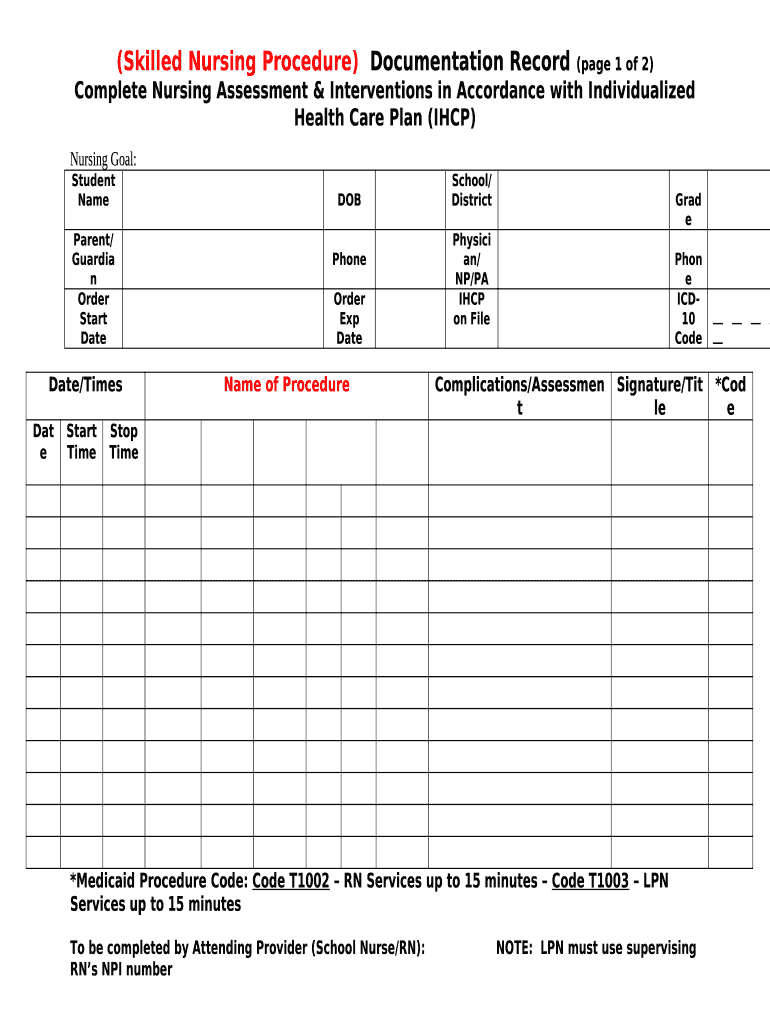
The printable tube feeding log is a critical document used primarily for tracking the feeding schedules and nutritional intake of individuals who rely on tube feeding, such as patients with swallowing difficulties or specific medical conditions. This log serves as a vital record for caregivers and healthcare providers to monitor and evaluate the effectiveness of the tube feeding regimen.
- Purpose: The main goal of the printable tube feeding log is to document the timing, type, and volume of feedings, as well as any reactions from the patient, which assists in managing their dietary needs effectively.
- Importance: Accurate logging allows caregivers and healthcare professionals to identify trends, adjust feeding plans as necessary, and ensure that patients receive the appropriate nutrition tailored to their needs.
How to Use the Printable Tube Feeding Log
Using the printable tube feeding log is straightforward but requires diligence to ensure that accurate information is recorded. Below are the essential steps for effective use.
- Select the Log Format: Obtain the correct version of the printable tube feeding log that suits your needs, whether it’s digital or paper-based.
- Fill in Patient Information: Begin by entering patient details such as name, date of birth, and any relevant medical information that could impact feeding.
- Record Feeding Details: Document each feeding session, noting:
- The date and time of each feeding
- The type of formula used (commercial or homemade)
- The volume administered
- Observations related to tolerance and any adverse reactions.
- Monitor for Complications: Include sections for noting any complications or gastrointestinal issues that may arise, such as nausea, vomiting, or abdominal pain.
- Review Regularly: Schedule periodic reviews of the log with healthcare providers to discuss dietary adjustments and evaluate progress.
Key Elements of the Printable Tube Feeding Log
The effectiveness of the printable tube feeding log hinges on several key components that ensure comprehensive tracking of nutritional intake.
- Patient Information Section: Essential personal and medical details help tailor the feeding plan appropriately.
- Feeding Schedule: Clear spaces to denote each feeding's timing and type ensure no feeding sessions are missed.
- Volume Documentation: This section helps track intake, making it easy to identify underfeeding or overfeeding issues.
- Adverse Reactions: A dedicated area for tracking any side effects aids in monitoring patient responses to the feeding regimen.
- Signatures: Areas for caregiver signatures promote accountability and ensure that logs are filled out by responsible individuals.
Steps to Complete the Printable Tube Feeding Log
Completing the printable tube feeding log requires a systematic approach to ensure all necessary information is captured accurately. Here’s a step-by-step guide:
- Print or Open the Document: Obtain the printable tube feeding log in your preferred format.
- Header Information: Enter the date and time when the feeding regimen starts.
- Input Patient Details: Fill in the patient’s name, diagnosis, and any relevant medical history in the designated fields.
- Document Each Feeding: For each feeding, record:
- Date and time
- Volume administered
- Type of formula or food used
- Any specific notes regarding tolerance, such as absence of discomfort or other adverse reactions.
- Review and Sign: At the end of the day, review entries for completeness, and sign off to ensure all entries reflect accurate information for healthcare provider assessments.
Who Typically Uses the Printable Tube Feeding Log
The printable tube feeding log is utilized by various individuals and organizations that care for patients requiring dietary assistance through tube feeding.
- Healthcare Providers: Nurses, dietitians, and physicians often use the log to assess patient nutrition and make necessary adjustments.
- Caregivers and Family Members: Those providing home care benefit from the log to ensure adherence to feeding schedules and nutritional plans.
- Long-term Care Facilities: Nursing homes and rehabilitation centers rely on these logs to monitor residents' feeding protocols and ensure compliance with dietary guidelines.
- Patients: Individuals receiving tube feeding may also keep their log to better understand their feeding patterns and health outcomes.


Examples of Using the Printable Tube Feeding Log
Illustrative scenarios can help clarify how the printable tube feeding log is applied in practice.
- Example 1: A caregiver records feedings for a patient recovering from throat surgery. They note that, on March 1, the patient received forty milliliters of a high-protein formula at eight in the morning and tolerated it well, with no adverse reactions reported. This information is used for future dietary planning.
- Example 2: In a nursing home setting, staff collect data from the tube feeding logs for residents. They analyze this information regularly to identify trends in nutritional intake, adjusting the feeding plans based on individual needs and tolerance levels.
These examples illustrate the log's practical utility in understanding patient care and dietary requirements to optimize tube feeding practices.