





Understanding the vs24b Form
The vs24b form is a document often associated with specific legal processes. It is primarily utilized in various administrative and regulatory contexts. Understanding the purpose and use of the vs24b form can help streamline processes involved in these legal matters.
How to Use the vs24b Form
Using the vs24b form involves a few critical steps to ensure it is completed correctly. First, gather all relevant information required for the form. This may include identifying personal details, case numbers, and any supporting documentation.
-
Gather Information:
- Personal identification information
- Relevant case numbers
- Supporting documents or evidence
-
Complete the Form:
- Fill in the required fields honestly and accurately.
- Ensure that all information is clear and legible.
-
Review the Form:
- Before submission, double-check for any errors or omissions.
- Ensure that all sections are completed.
-
Submission:
- Submit via the appropriate method—online submission, mailing, or in-person delivery—whichever is applicable.
Steps to Complete the vs24b Form
Completing the vs24b form is a structured process that requires attention to detail. Below is a step-by-step guide for effective completion:
-
Obtain the Form:
- Download from the official website or request it from a relevant authority.
-
Fill In Personal Information:
- Input your full name, address, and contact information in the designated areas.
-
Provide Case-Specific Information:
- Include details pertinent to your situation, such as dates and reference numbers.
-
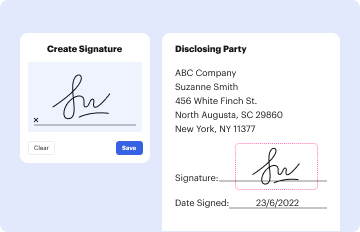
Sign and Date:
- Don’t forget to sign the form and include the date of submission to validate it.
-
Prepare Supporting Documents:
- Attach any required documents that complement your application—make sure they are properly labeled.
-
Finalize Submission:
- Follow the specified submission instructions to ensure your form reaches the appropriate office.
Important Terms Related to the vs24b Form
Familiarity with specific terminology can facilitate a better understanding of the vs24b form:
- Compliant: Adhering to the legal standards set for the use of the form.
- Submission Method: The way in which the form is delivered, such as online, mail, or in-person.
- Supporting Documentation: Additional papers that may need to be submitted alongside the vs24b form.
Who Typically Uses the vs24b Form
The vs24b form is designed for various users, including:
- Individuals: Those needing to address specific legal matters within administrative procedures.
- Businesses: Entities that might require this form for compliance with local regulations.
- Legal Professionals: Lawyers who assist clients with legal documentation can utilize this form for case management.


Typical Legal Uses of the vs24b Form
Understanding the legal contexts in which the vs24b form is applicable can provide clarity on its importance:
- Requesting Legal Changes: Filing the vs24b form may be necessary for modifying existing legal entities or documentation.
- Compliance Reporting: Businesses may need to submit the vs24b to remain compliant with local laws.
- Formal Applications: The form serves as a key document for initiating formal requests in legal situations.
State-Specific Rules for the vs24b Form
Different states may have unique guidelines regarding the vs24b form. Key aspects to keep in mind include:
- Submission Deadlines: Vary by state and can impact the validity of your submission.
- Additional Documentation: Some states might require more or different supporting documents to accompany the vs24b form.
- Jurisdictional Variations: Local regulations can alter the form's requirements, making it essential to consult state-specific resources.
Examples of Using the vs24b Form
Here are practical situations illustrating the use of the vs24b form:
- Change of Entity Status: A business transitioning from a sole proprietorship to a corporation might need to file the vs24b to formalize the change.
- Change of Ownership: Property ownership litigation can require the vs24b form to be submitted for record modification.
Understanding these examples can provide depth to the application process and help ensure users employ the form correctly according to their legal needs.