





Definition and Meaning
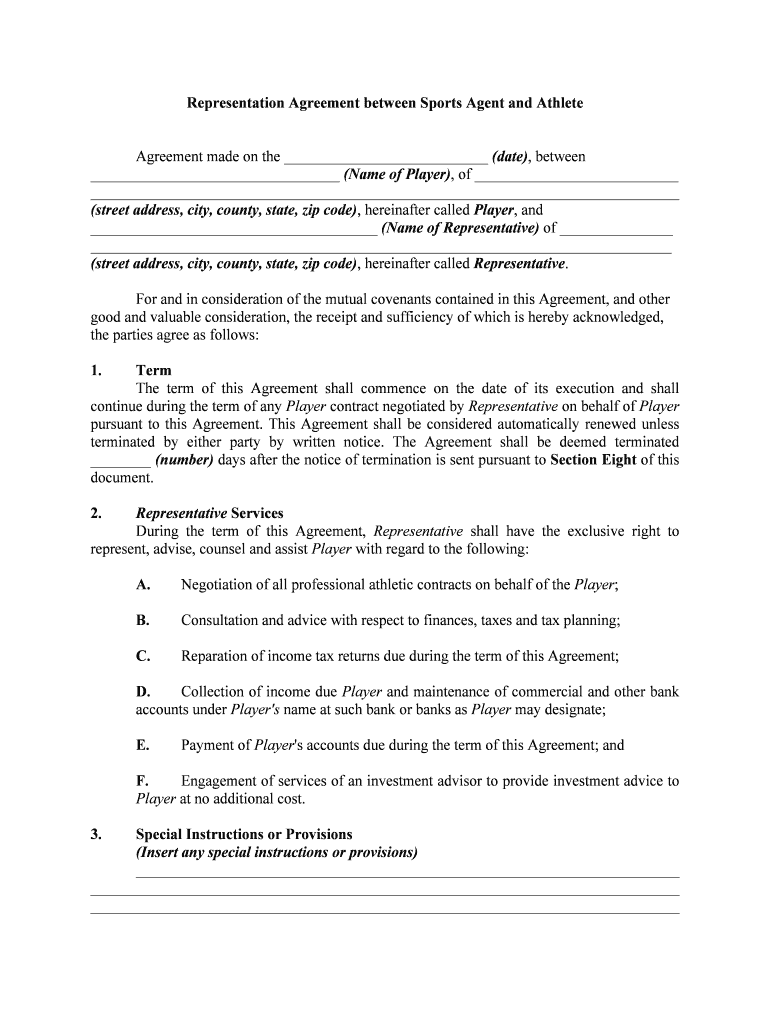
A sports agent contract is a legal agreement between an athlete (Player) and a sports agent (Representative) that outlines the terms and conditions of their professional relationship. The primary purpose of this contract is to formalize the agent's authority to negotiate contracts and manage various business affairs on behalf of the athlete. It typically includes details on the duration of the agreement, compensation arrangements, exclusive rights of representation, and other essential duties and responsibilities of each party. The contract ensures both parties have a clear understanding of their obligations and rights, reducing the potential for misunderstandings and disputes.
Key Elements of the Sports Agent Contract
When drafting or reviewing a sports agent contract, several crucial elements are typically included to ensure clarity and enforceability:
-
Duration and Termination: Specifies the period the contract is in effect and the conditions under which either party can terminate the agreement.
-
Services Provided: Details the scope of services the agent will provide, such as contract negotiations, endorsements, and other business ventures.
-
Compensation Structure: Clearly outlines how the agent will be compensated, often as a percentage of the athlete's earnings from contracts negotiated by the agent.
-
Reimbursement of Expenses: Defines which expenses incurred by the agent in the course of representing the athlete will be reimbursed by the athlete.
-
Dispute Resolution: Includes provisions for arbitration or other methods of resolving disputes without resorting to litigation.
-
Governing Law: Indicates which state's laws will govern the interpretation and enforcement of the contract.
Steps to Complete the Sports Agent Contract
Completing a sports agent contract involves several critical steps to ensure all necessary information is accurately captured and agreed upon:
-
Initial Discussion: The athlete and agent discuss mutual goals and expectations, which forms the basis for the contract terms.
-
Drafting the Contract: The agent typically drafts the initial contract, incorporating all standard elements and any specific terms agreed upon during preliminary discussions.
-
Review and Negotiation: Both parties review the contract draft, propose amendments, and negotiate any terms necessitating refinement to address specific concerns or preferences.
-
Legal Review: Each party may employ legal counsel to review the contract for compliance with applicable laws and to ensure the contract adequately protects their interests.
-
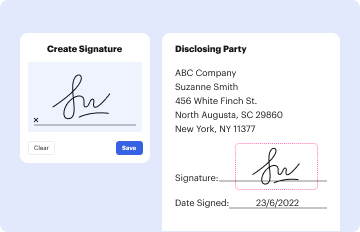
Execution of Contract: Once finalized, both parties sign the contract, making it legally binding. Copies are distributed, ensuring both parties have signed copies for their records.
Legal Use of the Sports Agent Contract
In the United States, sports agent contracts are governed by both state and federal laws, as well as the rules set by various professional sports leagues. Compliance with these legal frameworks ensures the enforceability of the contract and the protection of both parties' rights:
-
Federal Regulations: The Sports Agent Responsibility and Trust Act (SPARTA) establishes ethical standards for agents to protect athletes from deceptive practices.
-
State Laws: Different states have enacted their legislation regarding sports agent conduct and contracts, such as registration requirements and bonding mandates.
-
League Rules: Professional sports leagues often have additional rules regarding agents, including certification requirements and the review of contracts.
Software Compatibility and Document Management
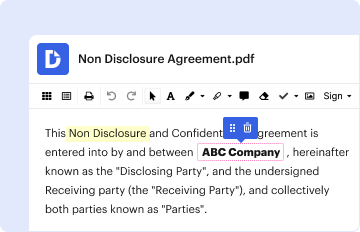
DocHub streamlines the management of sports agent contracts by allowing users to edit, sign, and store documents with ease. Compatibility with various file formats ensures users can work with existing documents without unnecessary conversion steps:
-
File Formats: Supports DOC, PDF, PPT, XLS, and TXT, making it versatile for handling diverse types of contract documentation.
-
Integration with Cloud Services: Imports documents directly from cloud storage providers such as Google Drive and Dropbox, enhancing collaboration flexibility.
-
Document Editing Tools: Includes robust editing and annotation features to modify text, add images, and make collaborative comments.
Digital vs. Paper Versions
Choosing between digital and paper versions of a sports agent contract affects accessibility, storage, and signing processes:
-
Digital Version:
- Allows for convenient editing and signature collection through digital platforms like DocHub.
- Facilitates easy sharing and collaboration, especially for parties located in different geographic locations.
- Supports the use of legally binding electronic signatures, ensuring compliance with the ESIGN Act.
-
Paper Version:
- May be preferred in situations where digital access is limited, or physical evidence of signatures is required.
- Requires manual tracking and storing, which can be cumbersome compared to digital management.
Who Typically Uses the Sports Agent Contract
Primarily employed in the professional sports industry, sports agent contracts serve the following parties:
-
Athletes: Athletes across various sports rely on these contracts to formalize their representation agreements and secure professional guidance in managing their careers.
-
Sports Agents: Agents use these contracts to define their role, secure payment for their services, and establish the legal framework for representing athletes.
-
Legal and Regulatory Bodies: These contracts are often reviewed by legal professionals to ensure they comply with applicable laws and by sports regulators to maintain industry standards.

Important Terms Related to the Sports Agent Contract
Understanding key terms in a sports agent contract is crucial for both athletes and agents:
-
Exclusive Rights: Grants the agent sole authority to represent the athlete in certain or all business matters.
-
Endorsement Deals: Covers agreements negotiated by the agent for athlete endorsements and sponsorships.
-
Commission Rate: The agent's fee as a percentage of the athlete's earnings negotiated by the agent.
-
Arbitration Clause: Agreement to resolve disputes through arbitration rather than through court litigation, which often saves time and costs.