
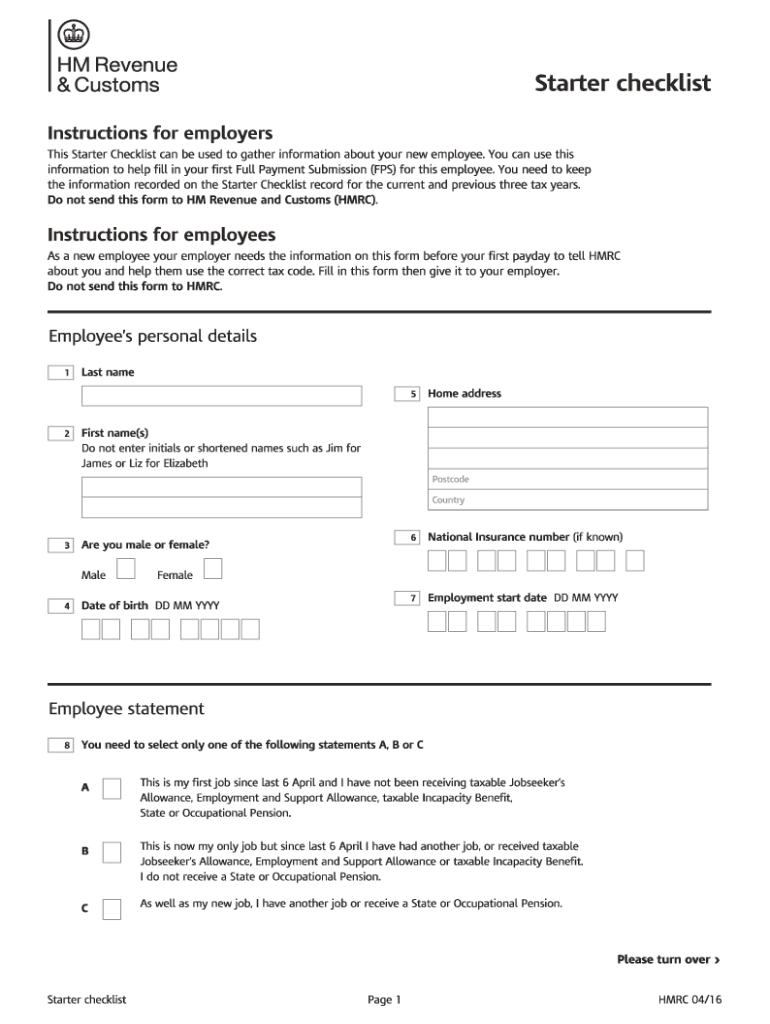







Definition and Meaning of Forms Online
Forms online refer to digital versions of traditional paper forms, which can be completed, submitted, and processed through digital platforms. These forms are designed to streamline data collection and workflow management by leveraging technology to facilitate efficient processing. They often include interactive elements that enhance user experience, such as fillable fields, dropdowns, and electronic signature options.
Common Uses and Applications
- Government and Tax Documents: Filing taxes or applying for permits using online forms.
- Business Processes: Employment applications, expense reports, and client intake forms.
- Education: Enrollment forms, consent forms, and feedback surveys.
- Healthcare: Patient intake and health history forms.
- Legal: Contract signing and legal document submissions.
How to Use the Form Online
Using forms online involves interacting with a digital interface that mimics the layout and structure of a paper form. This process is intuitive and does not require advanced technical skills.
Steps to Use
- Access the Form: Navigate to the website hosting the online form, such as DocHub, and select the form you need.
- Fill Out the Form: Use your keyboard or touchscreen to fill in the required fields. Interactive features guide users through the process efficiently.
- Review and Edit: Before submission, review the form for accuracy, utilizing built-in options to edit any sections as needed.
- Submit the Form: Submit the completed form by clicking the designated button, which usually confirms successful submission.
Practical Examples
- Employee Onboarding: New employees fill out digital starter checklists provided by HR departments.
- Tax Filing: Taxpayers submit state or federal tax forms electronically using government-provided platforms.
How to Obtain the Form Online
Finding and accessing online forms has become increasingly straightforward with the advancement of digital services and platforms.
Where to Find Forms
- Official Websites: Often, forms can be obtained directly from the website of the governmental agency or organization issuing them.
- Third-Party Software: Platforms like DocHub offer templates and tools to access and fill popular forms.
Methods to Obtain
- Download from Official or Trusted Websites: Navigate to the relevant section on the website and download the form directly to your device.
- Online Search: Use search engines to locate specific forms available online.
- Software Solutions: Use platforms that offer a collection of forms with additional editing and collaboration features.
Steps to Complete the Form Online
Completing a form online is a structured process that ensures all necessary information is provided accurately.
Detailed Process
- Access the Required Form: Use a compatible web browser or application to open the form.
- Enter Personal Information: Begin with personal data like name, address, and contact details, usually found at the top of forms.
- Complete Specific Sections: Follow the guided sections to input detailed responses and complete all required fields.
- Include Attachments: Upload supplementary documents as instructed.
- Review for Errors: Utilize review tools for error checking before finalizing the form.
- Submit Electronically: Confirm submission, often accompanied by a receipt or confirmation email.
Importance of Using Forms Online
Online forms are pivotal in modern workflows due to their accessibility and efficiency.
Benefits
- Time Efficiency: Online forms reduce the time needed for manual data entry and processing.
- Cost Reduction: Reduces the costs associated with printing and distributing paper forms.
- Environmental Impact: Minimizes paper waste, promoting sustainable practices.
- Convenience: Forms can be accessed and submitted remotely, enhancing accessibility.
Key Features of the Form Online
The structure and features embodied in online forms significantly enhance usability.
Core Elements
- Fillable Fields: Interactive fields for entering text, numbers, dates, and more.
- Conditional Logic: Dynamic sections that adjust in real-time based on user input.
- Data Validation: Built-in checks to ensure data consistency and accuracy.
- Formatting Options: Selectable styles for text and numerical input that meet specific criteria.
Advanced Capabilities
- Signature Capture: Tools for digital signatures that comply with legal standards.
- Automated Routing: Directs forms to specific individuals or departments for further action.
Examples of Using the Form Online
Understanding real-world scenarios helps illustrate the utility of online forms.
Real-World Scenarios
- Travel Authorization: Forms used by companies to manage travel permissions for employees.
- Event Registration: Streamlines the process of gathering attendee details and preferences.
- Custom Survey Forms: Adjust questions in surveys dynamically based on prior responses.
Industry Applications
- Education: Teachers distribute digital consent forms for field trips.
- Legal: Law firms manage client intake through automated web forms.
Legal Use of Forms Online
Legal considerations ensure the proper handling and compliance of digital forms.
Compliance Standards
- ESIGN Act: Federal law confirms that electronic signatures on forms are legally binding.
- Data Protection Laws: Comply with regulations such as HIPAA for healthcare forms or GDPR for data processed in Europe.
Best Practices
- Secure Platforms: Utilize services with robust encryption and security protocols to protect sensitive information.
- Audit Trails: Keep comprehensive records of form submissions, changes, and approvals for accountability.
Form Submission Methods: Online, Mail, or In-Person
Different methods to submit forms cater to varied needs and preferences.
Comparisons
- Online: Instant submission, fastest among all methods, and largely paperless.
- Mail: Physical mailing through postal services, slower but useful for sending copies.
- In-Person: Visiting an office or facility to hand over documents, provides personal interaction but is least time-efficient.
Choosing the Right Method
- Urgency and Deadlines: Use online methods for time-sensitive submissions.
- Document Type: Physical submission may be required for original signed documents or notarization needs.




