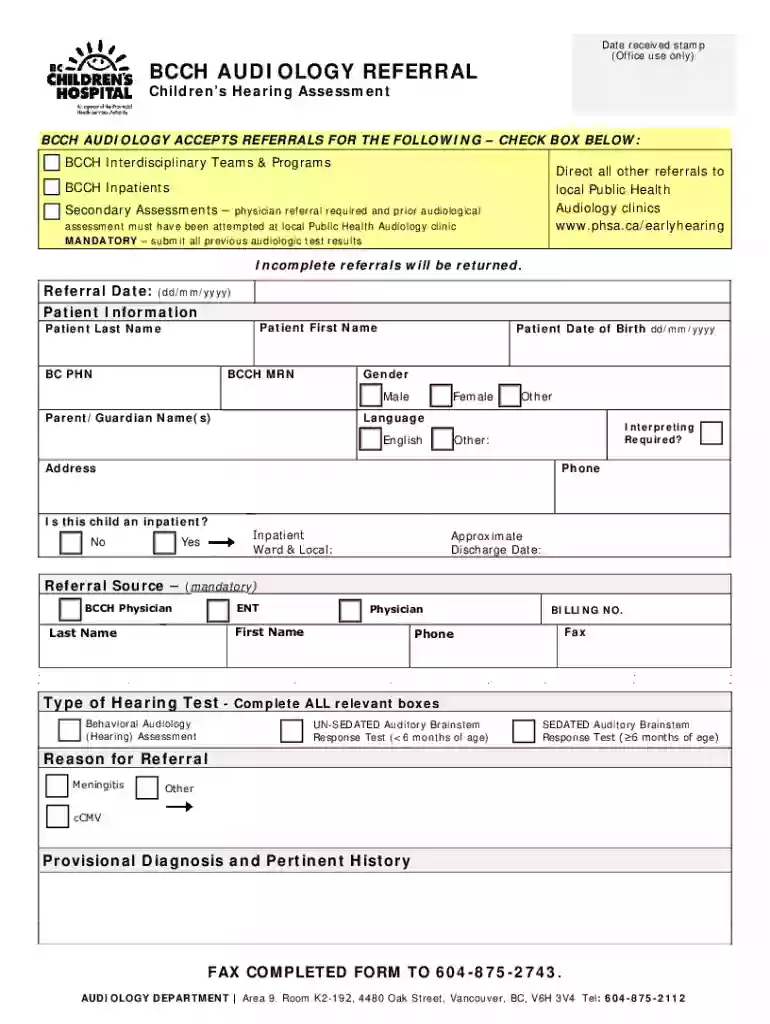
Definition and Meaning of Form Online
The term "form online" refers to the digital versions of documents that users can complete, submit, or manage through a web-based platform. By using digital forms, individuals and businesses can streamline interactions with various services and agencies without the need to exchange paper documents. This digital format offers convenience, efficiency, and is often used for tasks such as applications, registrations, surveys, and more.
Benefits of Using Online Forms
- Accessibility: Users can access forms from anywhere with internet access, on both desktop and mobile devices.
- Efficiency: Forms can be filled out quickly, often with auto-fill options that save time.
- Environmentally Friendly: Reduces the need for paper, minimizing environmental impact.
- Data Accuracy: Digital forms often include validation checks to ensure data accuracy before submission.
Real-world Examples
- DS-11 Application Form: Used for applying for a U.S. Passport, allowing applicants to complete and submit the form online for a more streamlined process.
- W-9 Form: Used by businesses to request taxpayer identification numbers from freelancers, contractors, and vendors, which can be quickly completed and submitted online.
How to Use the Form Online
Understanding how to use forms online involves a few simple steps that enhance document processing efficiency. This section outlines how users can engage with online forms effectively.
Step-by-Step Instructions
- Access the Form: Users can obtain the form from official websites or email links. Ensure that the URL is legitimate to avoid phishing sites.
- Prepare Required Information: Gather all necessary information and documents before beginning, including identification and other relevant details.
- Complete the Form: Use a compatible browser to fill out the form, taking advantage of auto-fill options when available.
- Submit the Form: Click the submit button and ensure you receive a confirmation of submission, either via email or a web page notification.
Tips for Success
- Review Information: Double-check all entered information to minimize errors.
- Secure Connections: Use a secure, private internet connection to prevent data breaches.
- Save a Copy: Always save a copy of completed forms for your records.
Steps to Complete the Form Online
Completing online forms involves methodical steps to ensure accurate and efficient data submission. Detailed guidance can significantly enhance understanding and reduce errors.
Detailed Completion Steps
- Determine Form Requirements: Identify what sections need completion by checking mandatory fields.
- Enter Personal Information: Input accurate personal information, ensuring consistency with official documents.
- Fill Specialized Fields: Some forms require specific entries such as financial details or legal agreements. Provide precise data to avoid rejections.
- Attach Necessary Documents: If required, upload scanned copies of supporting documents such as identification or proofs of address.
- Verify and Submit: Review all entries and documents before submission. Follow the platform’s submission confirmation protocol.
Legal Use of the Form Online
Online forms must comply with legal guidelines to ensure the validity and enforceability of the submitted information, particularly in jurisdictions like the United States.
Legal Validation
- ESIGN Act Compliance: Electronic signatures on online forms adhere to the Electronic Signatures in Global and National Commerce Act, providing legal legitimacy to digital agreements.
- Privacy Concerns: Forms must comply with privacy regulations such as the GDPR or CCPA when handling personal data.
- State Regulations: Some states have specific regulations regarding digital submissions, which must be considered to remain in compliance.
Key Elements of the Form Online
Understanding essential components of online forms can offer insights into how they function and their role in data collection and management.
Common Form Components
- Text Fields: For entering freeform text or specific information.
- Checkboxes and Radio Buttons: Allow users to select from multiple options or confirm acknowledgment of terms.
- Dropdown Menus: To select a single choice from a list of options.
- Signature Fields: Provides the option to digitally sign documents, certifying acceptance or acknowledgment.
Important Terms Related to Form Online
Familiarity with relevant terminology enhances comprehension and accuracy when interacting with online forms.
Glossary of Terms
- Encryption: The process of encoding information to protect it from unauthorized access.
- Validation Check: A system process that ensures data entered meets specific criteria before processing.
- Auto-Fill: A function that predicts and suggests entries based on previous data input.
State-Specific Rules for the Form Online
Online form processes may vary depending on state-specific rules and requirements in the U.S., influencing how residents use these forms.
Notable State Differences
- California: Enhanced privacy regulations under CCPA influence how online forms collect and store personal data.
- Texas: Digital submissions for state taxes have specific guidelines that differ from federal forms.
- New York: Certain state licenses and permits require digital forms to be notarized electronically.
Examples of Using the Form Online
Practical applications of online forms demonstrate their utility and functionality in various scenarios.
Practical Scenarios
- College Applications: Universities utilize online forms for admission processes, streamlining the application review system for both applicants and admissions officers.
- Healthcare Appointments: Medical facilities deploy digital forms for patient registration, enabling efficient scheduling and medical record access.
- Job Applications: Employers use online forms to collect candidate information conveniently, facilitating a more efficient recruiting process.
By providing comprehensive and detailed coverage of online forms, users can better understand their utility and streamline processes requiring digital documentation.