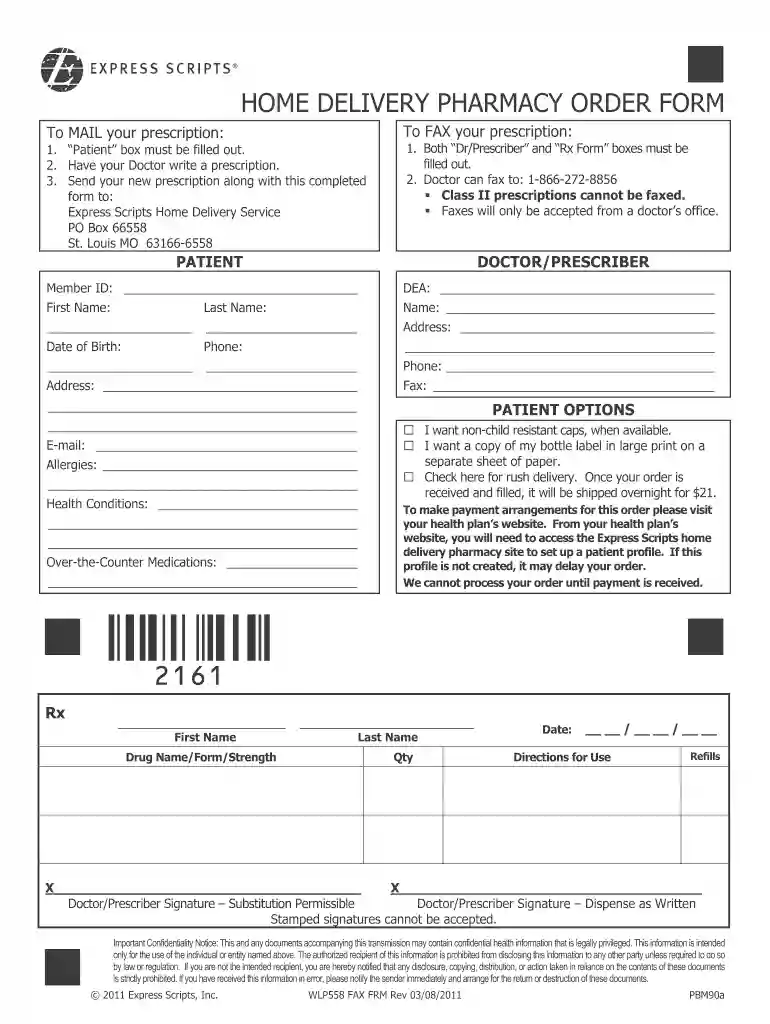
Definition of the Online Prescription Maker
An online prescription maker is a digital tool that allows health professionals to create and issue prescriptions electronically. This innovation simplifies the prescription process, making it more efficient and accessible for both providers and patients. The online prescription maker typically generates a customizable document that complies with state and federal regulations, ensuring that prescriptions are both legally valid and secure.
Key Features of an Online Prescription Maker
- User-Friendly Interface: Designed for ease of use, allowing healthcare providers to quickly input necessary information.
- Customizable Templates: Users can select from various templates tailored to specific needs or styles.
- Compliance Assurance: Generates prescriptions that adhere to legal requirements, reducing the risk of errors.
- Integration Capability: Often integrates with electronic health record (EHR) systems for seamless data transfer.
How to Use the Online Prescription Maker
Using an online prescription maker involves a straightforward process that allows healthcare providers to create prescriptions for their patients efficiently.
- Access the Platform: Log into the digital prescription tool using secure authentication methods.
- Select Template: Choose an appropriate template based on the medication type or specialty.
- Input Patient Information: Enter relevant details such as patient name, date of birth, and contact information.
- Add Prescription Details: Input the medication name, dosage instructions, quantity, and refills if necessary.
- Review: Verify all entered information for accuracy to minimize errors.
- Generate and Send: Create the prescription and send it electronically to the pharmacy or print it for the patient.
Practical Considerations
- Verification of Insurance: Ensure that the prescribed medication is covered by the patient's insurance plan.
- Consultation: Discuss potential side effects or interactions with the patient before finalizing the prescription.
- Secure Storage: Maintain records of all prescriptions for compliance and future reference.
Legal Use of the Online Prescription Maker
The online prescription maker is governed by various laws and regulations to ensure that prescription writing is secure and trustworthy.
Key Legal Aspects
- Compliance with the ESIGN Act: Digital signatures must meet legal standards for electronic records.
- State Regulations: Each state has specific laws regarding electronic prescriptions; it's essential to be familiar with these to avoid legal issues.
- Patient Privacy: All data should comply with HIPAA regulations, which protect patient information.
Potential Legal Consequences
- Non-Compliance: Failure to adhere to state and federal laws can result in penalties, including fines or loss of medical licensure.
- Security Breaches: Improper handling of prescription data can lead to legal actions from affected patients.
Important Terms Related to Online Prescription Maker
Understanding key terms associated with online prescription makers is crucial for effective use and compliance.
Common Terms
- Electronic Prescription: A prescription sent digitally rather than on paper.
- Controlled Substances: Medications that fall under special regulations due to their potential for abuse.
- Telemedicine: Remote healthcare services, facilitating prescription writing during virtual consultations.
- Rx: A shorthand that denotes a medical prescription.
Example Scenarios
- If a physician needs to prescribe a controlled substance, they must follow additional regulations specific to controlled substances.
- In telemedicine, providers can utilize online prescription makers to issue prescriptions during virtual appointments efficiently.
Steps to Complete the Online Prescription Maker
Completing an online prescription maker involves several steps that ensure accuracy and compliance before sending prescriptions to a pharmacy.
- Login Credentials: Start by logging into the online platform using secure credentials.
- Access Patient Record: Open or create a new patient record to associate the prescription with the specific individual.
- Input Medication Information: Carefully enter the medication name, dosage, and frequency.
- Specify Duration: Indicate how long the patient should take the medication.
- Confirm and Save: Make sure all information is accurate and save the prescription within the system.
Additional Tips
- Double-check for potential drug interactions by using built-in tools within the prescription maker.
- Ensure that the prescription format complies with both state and federal regulations to maintain validity.
Examples of Using the Online Prescription Maker
Online prescription makers are versatile tools utilized across various settings in healthcare.
Clinical Scenario Examples
- A telehealth provider uses an online prescription maker to send a prescription directly to a pharmacy after a virtual consultation.
- A general practitioner employs the tool to issue refills for patients with chronic conditions, streamlining the process.
- Pharmacists utilize access to online prescription makers to verify prescriptions against existing patient data in real-time.
Benefits Demonstrated
- Reduced errors due to automated checks and validations.
- Enhanced patient satisfaction due to timely access to medications.
- Improved workflow efficiency in busy clinics and practices.
State-Specific Rules for the Online Prescription Maker
Regulations governing the use of online prescription makers can vary significantly from one state to another, affecting how prescriptions can be issued and managed.
Considerations by State
- California: Electronic prescriptions for controlled substances are allowed but require specific verification protocols.
- Texas: Prescription makers must comply with state-specific requirements and maintain proper record-keeping practices.
- Florida: Online prescription mandates include strong security measures and compliance with state laws surrounding patient data.
Best Practices
- Stay updated on changes in the law by consulting with legal professionals or regulatory agencies.
- Ensure that any online prescription tool used is fully compliant with local regulations to avoid legal complications.
Primary User Groups
- Physicians: General practitioners and specialists frequently issue prescriptions using these digital tools to improve patient care.
- Nurse Practitioners: Often operate independently, relying on online prescription makers for efficient medication management.
- Pharmacists: Utilize online prescription tools to enhance verification processes and streamline workflows.
Use Case Examples
- Urgent care clinics often use these tools for quick patient assessments and on-the-spot prescriptions.
- Primary care providers leverage online prescription makers for routine chronic condition management, providing patients with easy access to necessary medications.
By leveraging the features of an online prescription maker, healthcare professionals streamline their workflow, enhance patient interactions, and maintain compliance with legal standards.