




01. Edit your letter of intent to sell vehicle online
Type text, add images, blackout confidential details, add comments, highlights and more.

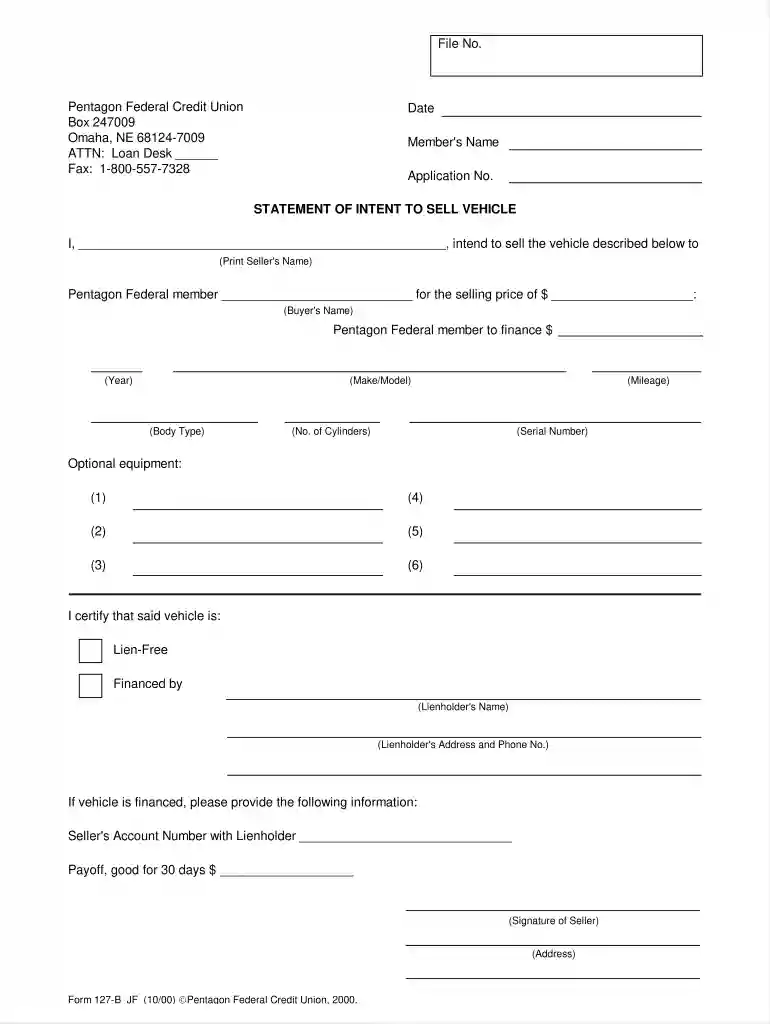
Type text, add images, blackout confidential details, add comments, highlights and more.

Draw your signature, type it, upload its image, or use your mobile device as a signature pad.

Send letter of intent to sell car via email, link, or fax. You can also download it, export it or print it out.
A letter of intent to sell vehicle is a formal declaration by a vehicle owner expressing their intention to sell a specified vehicle to a potential buyer. This document typically includes essential details about the vehicle, such as its make, model, year, VIN (Vehicle Identification Number), and any financing information if applicable. It serves as a preliminary step in the selling process, indicating the seller's agreement to transfer ownership upon completion of necessary procedures.
The letter is not a legally binding contract but outlines the basic terms and conditions expected in the eventual sale, such as the agreed sale price and any contingencies that may apply. It functions as a key communication tool, ensuring both parties understand the intent and are on the same page before any formal agreements, such as a purchase agreement, are executed.
An effective letter of intent to sell vehicle includes several crucial components that provide clarity and protect both the buyer and seller. Important elements to include are:
Including these elements helps set expectations and provides a reference point for both parties as they proceed toward a final sale.
Completing a letter of intent to sell vehicle involves a straightforward process that helps ensure both parties are fully informed. Follow these steps for effective completion:
Following these steps helps to facilitate a smooth transaction process and minimizes misunderstandings between the seller and buyer.
Understanding the terminology associated with a letter of intent to sell vehicle is essential for both parties. Key terms include:
Familiarity with these terms can enhance communication between the parties and contribute to a more knowledgeable transaction process.
While a letter of intent to sell vehicle is not legally binding, it holds significant importance in establishing the preliminary agreement between the seller and buyer. Legal aspects to consider include:
Understanding its legal use helps maximize its effectiveness and ensures that both parties are protected during the transaction.
Utilizing a letter of intent to sell vehicle can take various forms in real-world scenarios. Consider the following examples:
These examples illustrate the versatility and practical application of the letter of intent to sell vehicle in different contexts, contributing to smoother transactions.
Sure, a typed name is recognized as a legitimate electronic signature when you add it to your paperwork using a compliant solution like DocHub. Simply upload your intent to sell vehicle form to our editor, click Sign in the top tool pane → Create your signature → Type your name in the proper tab, and decide how it will appear on your document.
Using a swift editing system like DocHub, you do not require anything but a web browser and internet connection to edit your intent to sell letter on the internet quickly. Add your document or get the appropriate form in DocHub’s catalog, open our editor with one click, and complete it electronically. To edit your forms anytime, sign up a free account with DocHub.
At DocHub, your data security is our priority. We follow HIPAA, SOC2, GDPR, and other standards, so you can work on your documents with confidence.
A COC application must include, among other things, an identification of the engine family, a description of the vehicles and their emission control systems, aRead more
As seller, I signed/printed my name in the purchaser area of the title by mistake. I do not wish to be a co-owner of the vehicle.Read more


