




Definition and Purpose of the LTFRB Operator Data Sheet
The LTFRB Operator Data Sheet is an official document that gathers vital information regarding transport operators in the United States. It serves as a standardized form used by the Land Transportation Franchising and Regulatory Board (LTFRB) to ensure compliance with transportation regulations. This data sheet collects details related to ownership structure, type of services provided, and personal information about individual operators or corporate entities involved in the transport sector.
- Ownership Type: Individuals or corporations must specify their ownership structure, which can include sole proprietorships, partnerships, or corporations.
- Service Type: Operators must identify the type of transportation services offered, such as public utility vehicle operation or ridesharing services.
- Personal Information: For individual operators, it includes personal data like name, address, and contact information. Corporate entities provide similar details, including their registered business address and relevant officers.
This formalized collection of information helps the LTFRB manage and regulate transport services effectively, balancing both compliance and consumer protection needs.
How to Use the LTFRB Operator Data Sheet
Using the LTFRB Operator Data Sheet involves a few straightforward steps. It is essential for transport operators to understand the requirements clearly to ensure accurate and compliant submissions.
- Download the Form: The operator should access and download the LTFRB Operator Data Sheet from official sources or authorized platforms that provide these downloadable forms.
- Fill Out Required Information: Complete all necessary fields accurately. This includes specifying the ownership type and detailing the services offered.
- Attach Supporting Documents: Depending on the ownership structure, various documents may be required, such as business registration certificates, identification cards, and proof of address.
- Review for Accuracy: It is critical to double-check all entries and attachments to avoid any potential issues during submission.
- Submit the Form: Once completed, the form can typically be submitted through designated channels, such as online platforms, in-person offices, or by mail.
This structured approach helps facilitate a seamless application process and minimizes the risk of delays or rejections.
Steps to Complete the LTFRB Operator Data Sheet
Completing the LTFRB Operator Data Sheet requires attention to detail and adherence to specific guidelines. Here are the steps that operators should follow:
-
Obtain the Form: Acquire the latest version of the LTFRB Operator Data Sheet from a reliable source. Ensure it is up-to-date as regulations may change.
-
Fill in Basic Information:
- Enter the name of the operator or corporation.
- Provide contact details, including phone numbers and email addresses.
-
Define Ownership Structure: Clearly indicate the type of ownership:
- Sole Proprietorship: If you operate as an individual.
- Partnership or Corporation: When operating under a business entity.
-
Service Description:
- Specify the nature of your services. This could include different modes of transport like buses, taxis, or rideshares.
-
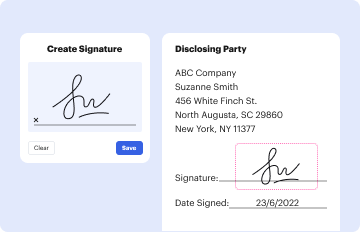
Compliance Attestation: Sign to affirm that the information provided is accurate and complete. This step is crucial as misrepresentation can lead to penalties.
-
Attach Necessary Documents: Include any required proof of identity, business registration, or other supporting documentation as specified in the instructions.
-
Final Review: Check all information for clarity and accuracy before submission.
-
Submit: Ensure that the completed form along with all attachments is sent to the appropriate LTFRB office or submitted electronically as required.
By following these steps, operators can ensure that their application is thorough and compliant with regulatory standards.
Key Elements of the LTFRB Operator Data Sheet
Understanding the key elements of the LTFRB Operator Data Sheet is crucial for effective completion and submission. Each section captures essential information necessary for regulatory compliance:
- Operator Information: Personal or corporate details that include names, contact information, and the nature of the business.
- Ownership Type: Identification of whether the operator is a sole proprietor, in partnership, or part of a corporate structure.
- Service Type: Specification of the transportation services provided, which helps the LTFRB classify and monitor transport operations.
- Attestation Clause: An important section where the operator commits to the truthfulness of the information provided, ensuring an understanding of the consequences of misrepresentation.
- Supporting Documentation: Guidelines on what additional documents, such as proof of identity or business licenses, need to accompany the form.
By ensuring each of these elements is completed accurately, transport operators can facilitate their compliance with LTFRB regulations.
Legal Use of the LTFRB Operator Data Sheet
The LTFRB Operator Data Sheet has critical legal implications for transport operators. It serves as an official record that can be referenced in various regulatory processes:
-
Regulatory Compliance: Submitting this form is a legal requirement for transport operators to operate within U.S. regulations. Failure to complete and submit the operator data sheet can result in legal action, including fines or business suspension.
-
Background Verification: The information collected acts as a basis for background checks carried out by the LTFRB, ensuring that operators meet necessary legal and safety standards.
-
Audit Trail: The completed operator data sheets become part of an official record, which may be audited for transparency and accountability in transportation operations.
Understanding these legal aspects of the LTFRB Operator Data Sheet is imperative for operators to avoid non-compliance penalties and maintain their business operations within regulatory frameworks.


