Addiction severity index template 2026

Get Form
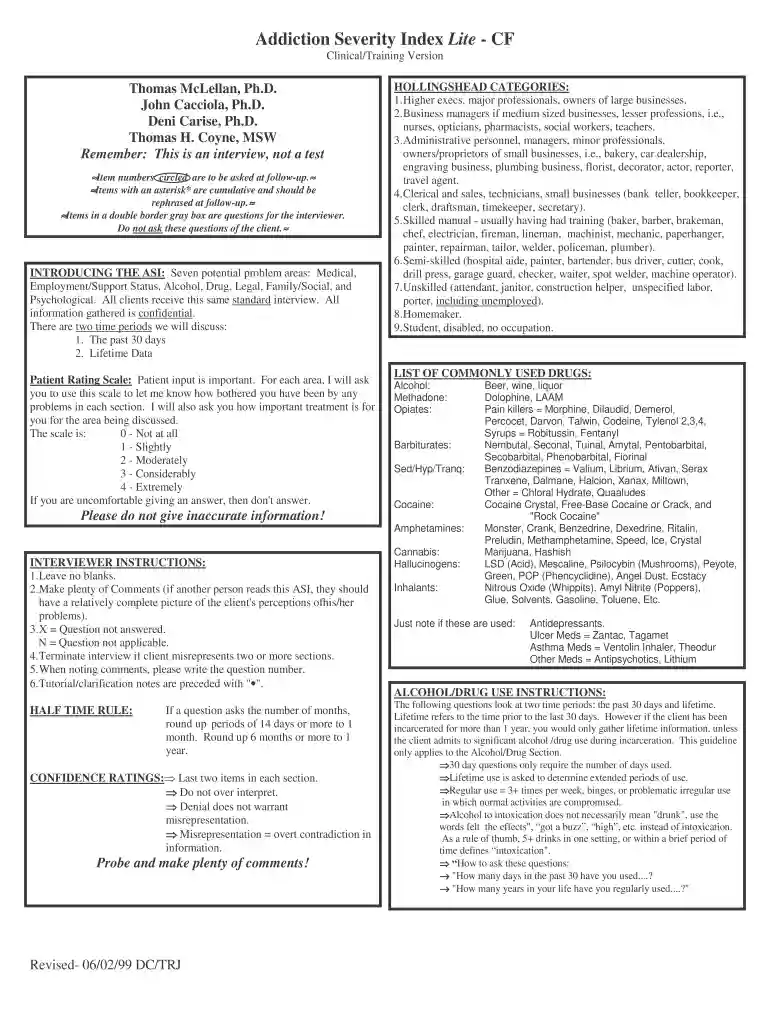
asi example Preview on Page 1

Here's how it works

01. Edit your asi example online
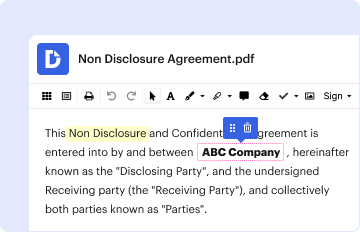
Type text, add images, blackout confidential details, add comments, highlights and more.

02. Sign it in a few clicks
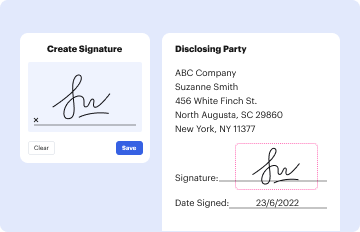
Draw your signature, type it, upload its image, or use your mobile device as a signature pad.

03. Share your form with others
Send asi scoring sheet via email, link, or fax. You can also download it, export it or print it out.

How to use or fill out addiction severity index template with our platform

Form edit decoration
9.5
Ease of Setup
DocHub User Ratings on G2
9.0
Ease of Use
DocHub User Ratings on G2
  1. Click ‘Get Form’ to open the Addiction Severity Index template in the editor.
  2. Begin by filling out the General Information section. Enter your ID number, name, social security number, and contact details. Ensure all fields are completed for accurate data collection.
  3. Proceed to the Medical Status section. Answer questions regarding hospitalizations and chronic medical problems. Use the comments field to provide additional context as needed.
  4. In the Employment/Support Status section, detail your education and employment history. Be honest about your current situation and any support you receive from others.
  5. Move on to the Alcohol/Drugs section. Indicate your usage patterns over the past 30 days and lifetime. Utilize the provided rating scale for clarity on how these issues affect you.
  6. Complete sections on Legal Status, Family/Social Relationships, and Psychiatric Status by answering each question thoroughly. Remember to provide comments where necessary for a comprehensive overview.

Start using our platform today to easily fill out your Addiction Severity Index template for free!

be ready to get more

Complete this form in 5 minutes or less

Get form

Got questions?

We have answers to the most popular questions from our customers. If you can't find an answer to your question, please contact us.
Contact us
ASI Severity Ratings 01: No imminent problem, treatment not indicated. 23: Slight problem; treatment may not be necessary. 45: Moderate problem, a treatment plan should be considered. 67: Considerable difficulty, begin a treatment plan.
The first confirmatory model described a unidimensional construct of addictive social media use comprising the six components of addiction proposed by Griffiths (2005) (i.e., salience, tolerance, mood modification, relapse, withdrawal, and conflict; see Fig. 2, model A).
Risk factors Family history of addiction. Drug addiction is more common in some families and likely involves an increased risk based on genes. Mental health disorder. Peer pressure. Lack of family involvement. Early use. Taking a highly addictive drug.
How Is the ASI Scored? Each questions typically has a score attached to it of 1 or 0. For example, if the patient answers yes, they may score 1; if they answer no, they may score 0. For some items, the scoring may be reversed.
Addiction Severity Index (ASI) It effectively assesses a clients status in several areas, and the composite score measures how a clients need for treatment changes over time. Clinical utility: The ASI has been used extensively for treatment planning and outcome evaluation.

Security and compliance

At DocHub, your data security is our priority. We follow HIPAA, SOC2, GDPR, and other standards, so you can work on your documents with confidence.

Learn more
ccpa2
pci-dss
gdpr-compliance
hipaa
soc-compliance

People also ask

Addiction is a serious problem that can ruin lives. It can be difficult to overcome addiction, but it is possible. There are four levels of addiction: physical, emotional, mental, and spiritual. We will discuss each level in-depth and provide tips for overcoming addiction.
The ASI covers seven (7) important areas of a patients life: medical, employment / support, drug and alcohol use, legal, family / social, and psychiatric. The instrument is designed to obtain lifetime information about problem behaviors as well as focusing specifically on the 30 days prior to assessment.
This post will serve as the first of two blog posts about six different models of addiction: moral, spiritual, disease, psychodynamic, social, and biopsychosocial. A few things to note: Many of these models have alternative names.

addiction severity index asi pdf