






Comprehensive Overview of Head to Toe Assessment
A head to toe assessment is a critical component of patient care that involves a thorough examination of a patient's physical health. This systematic process allows healthcare professionals to gather vital information about the patient's condition, identify potential health issues, and develop appropriate care plans. Each assessment area is crucial for ensuring comprehensive care and includes detailed evaluations.
Essential Components of a Head to Toe Assessment
Conducting a head to toe assessment involves various specific areas, each requiring particular attention:
-
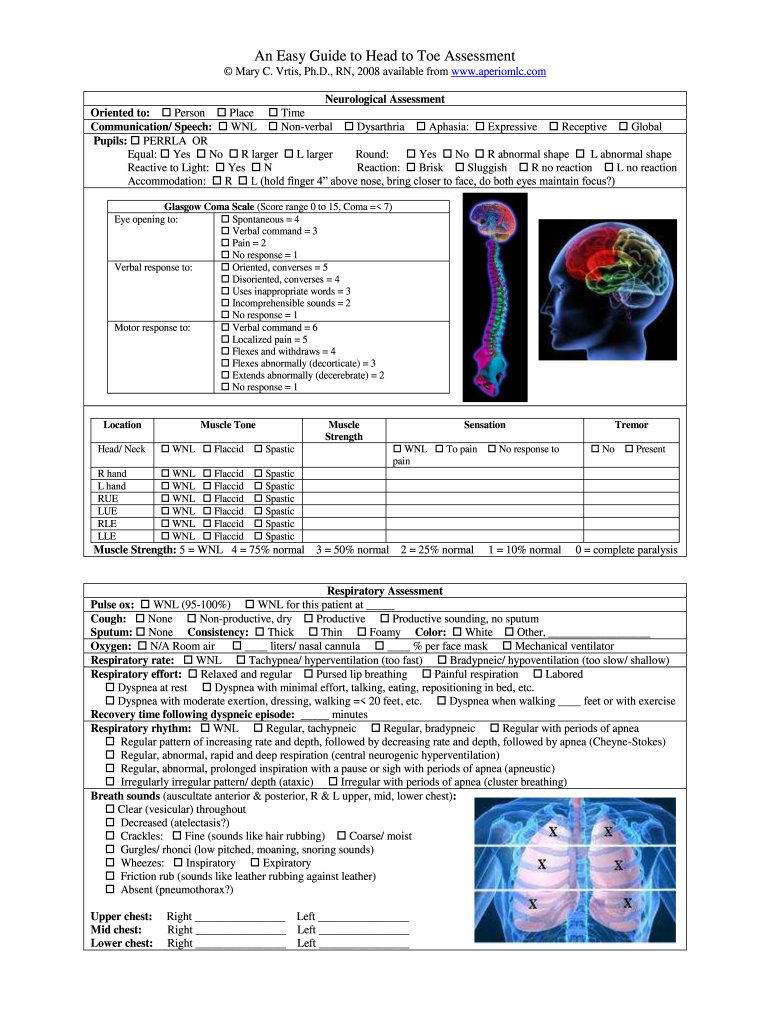
Neurological Assessment: Evaluate the patient’s level of consciousness, orientation, and cognitive function. Check motor responses and reflexes to identify any neurological deficits.
-
Respiratory Assessment: Listen to lung sounds and assess the quality of breathing. Observe respiratory rate and effort, noting any signs of distress or abnormal patterns.
-
Cardiovascular Assessment: Measure vital signs including heart rate and blood pressure. Assess heart sounds and circulation by checking peripheral pulses and skin temperature.
-
Genitourinary Assessment: Inquire about urinary habits and assess kidney function through palpation and inspection. This area is vital for detecting signs of infection or other dysfunctions.
-
Gastrointestinal Assessment: Review the patient’s dietary habits and assess for abdominal distension, tenderness, and bowel sounds. This helps monitor digestive health.
-
Skin Integrity Assessment: Examine the skin for color changes, lesions, or abnormalities. Document any wounds or pressure ulcers to implement appropriate care interventions.
-
Pain Assessment: Use standardized pain scales to quantify and qualify pain levels, seeking to understand the nature and triggers of any discomfort.
-
IV and Cast Assessments: For patients with intravenous lines or casts, inspect the sites for signs of infection, inflammation, or complications.
Utilizing the Head to Toe Assessment Checklist
A well-constructed head to toe assessment checklist serves as a valuable tool to ensure all areas are systematically evaluated.
- Include specific criteria for each body system.
- Mark off each section as it is assessed.
- Note observations and deviations from the norm to guide care decisions.
Utilizing a free printable head to toe assessment form can also help standardize the process, ensuring comprehensive coverage and facilitating easier documentation.
Documentation Practices for Head to Toe Assessment
Proper documentation is crucial in any head to toe assessment.
- Use a clear, consistent format to record findings, ideally in a dedicated head to toe assessment template.
- Note both normal and abnormal findings for thorough records.
- Ensure that all documentation is done in real time to maintain accuracy, using appropriate nursing assessment terminology.
Significance of the Head to Toe Assessment in Patient Care
The head to toe assessment is essential not only for initial evaluations but also for monitoring the patient’s progress over time.
- It establishes baseline data and helps to track changes in health status.
- Regular assessments inform clinical decision-making and enhance patient safety by identifying early signs of deterioration.
- Comprehensive assessments support effective communication among healthcare professionals by providing detailed insights into a patient’s condition.
Examples of Head to Toe Assessment Documentation
-
Assessment Documentation Example: "Patient alert, oriented to person, place, and time. Respiratory rate is 18 breaths per minute, with clear lung sounds bilaterally. Heart rate 76 beats per minute, regular rhythm, no murmurs noted."
-
Checklist Usage: Following the head to toe assessment checklist, document findings methodically as outlined, noting both positive and negative responses for clear patient tracking.
Challenges and Considerations in the Head to Toe Assessment
-
Patient Variability: Patients may present differently based on their medical history, age, and current condition. Tailor assessments accordingly.
-
Time Constraints: In busy clinical settings, conducting a thorough head to toe assessment can be challenging but is essential for quality care. Prioritize high-risk patients to ensure safety.
-
Cultural Sensitivity: Be aware of and sensitive to cultural factors that may affect patient communication and comfort during assessments.
Summary of Head to Toe Assessment Key Elements
To ensure the head to toe assessment is performed effectively:
- Adhere to a structured assessment process.
- Utilize assessment forms and checklists to maintain consistency.
- Ensure accurate documentation of all observations.
- Remain cognizant of patient individuality and needs to provide holistic and empathetic care.
Continual education and practice enhance the skills required for conducting thorough head to toe assessments, ultimately improving patient outcomes and fostering professional development within healthcare settings.