
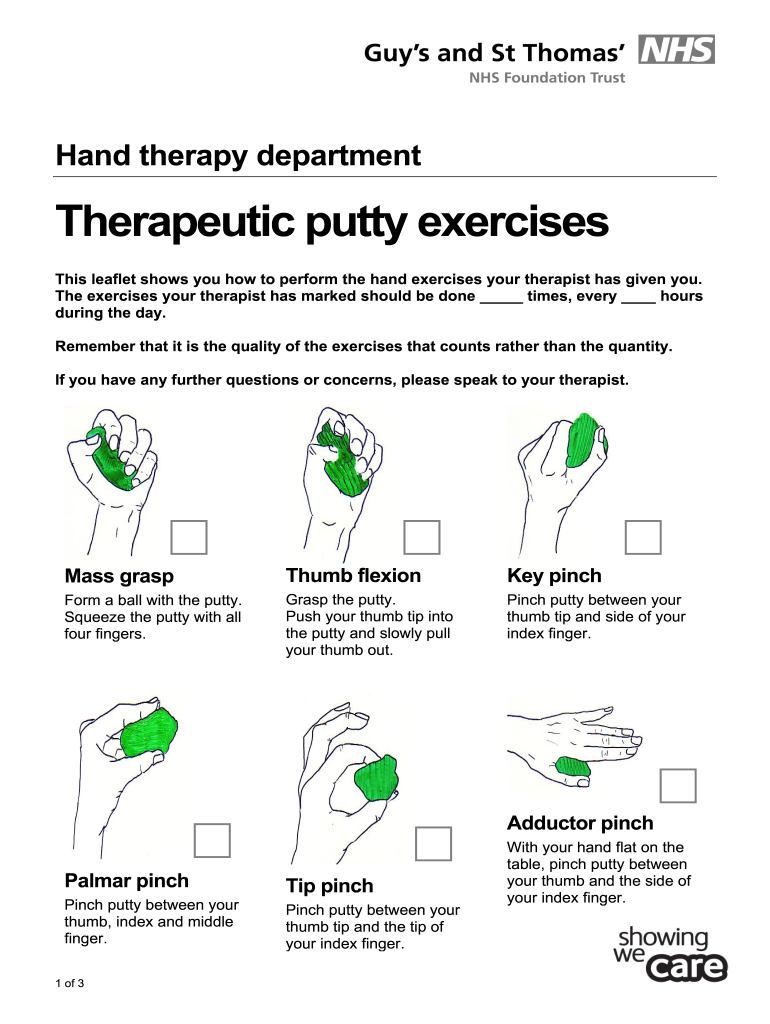







Understanding Theraputty Exercises
Theraputty exercises involve a range of physical activities designed to improve hand strength, dexterity, and overall function. They utilize therapeutic putty, a versatile tool that allows individuals to enhance their rehabilitation process. Exercises often target specific skills, making them suitable for diverse populations, including kids, adults, and those with specific conditions such as arthritis.
Importance of Theraputty Exercises
- Physical Rehabilitation: Theraputty exercises are commonly prescribed in rehabilitation settings. They support recovery from injuries, surgeries, or conditions like carpal tunnel syndrome.
- Customized Workouts: The resistance level of theraputty can be adjusted, making it ideal for personalized therapy sessions tailored to individual needs.
- Improving Daily Activities: Enhanced hand function gained from these exercises translates to better performance in daily tasks, improving quality of life.
How to Use the Theraputty Exercises PDF
The theraputty exercises PDF serves as a comprehensive guide, outlining various exercises and their respective techniques. Here are the key elements of utilizing this resource effectively:
- Familiarization: Review all included exercises to understand their objectives and the specific skills they target.
- Setting Up: Prepare a comfortable workspace where you can perform these exercises without distractions.
- Equipment: Ensure access to theraputty of various resistance levels, which will facilitate progress as strength improves.
- Follow Instructions: Adhere to the guidelines provided in the PDF for each exercise, focusing on proper form to maximize effectiveness and prevent injury.
- Record Progress: Use the PDF to track improvements in strength and dexterity over time, aiding in motivation and identifying areas needing additional focus.
Exercises Included
- Mass Grasp: Strengthens the entire hand by squeezing the putty into a ball.
- Thumb Flexion: Targets thumb strength by pinching small amounts of putty.
- Key Pinch: Focuses on dexterity, improving coordination between fingers.
Obtaining the Theraputty Exercises PDF
The theraputty exercises PDF can be accessed through various platforms specializing in occupational therapy resources. Here are some common methods for obtaining it:
- Therapy Clinics: Many clinics offer digital or physical copies of these guides to support their patients.
- Healthcare Websites: Look for reputable health-related websites that provide free downloads or purchase options for PDFs related to hand therapy.
- Occupational Therapy Associations: Professional organizations may offer resources, including the theraputty exercises PDF, as part of their member benefits.
- Online Forums and Groups: Community platforms aimed at therapy support often share resources and can be a valuable source for obtaining these materials.
Accessibility Considerations
- Ensure that the PDF is designed with accessibility features, allowing individuals with disabilities or visual impairments to benefit fully from the material.
Steps to Complete the Theraputty Exercises
Effective completion of the theraputty exercises involves structured steps to ensure optimal results while minimizing the risk of injury. Follow this sequence to maximize the benefits:
- Evaluate Current Strength: Begin by assessing your current hand strength and identify specific targets for improvement.
- Warm-up: Always perform a warm-up, such as gentle finger stretches, to prepare the hand muscles.
- Engage in Exercises: Follow the exercises listed in the PDF, starting with lighter resistance and gradually progressing to more challenging putty options.
- Rest Between Sets: Allow adequate rest between different types of exercises to avoid fatigue and ensure muscle recovery.
- Cool Down: Finish with cool-down stretches to promote flexibility and relaxation within the hands.
Frequency of Exercises
- Aim for a regular schedule, as consistency is key for building strength and improving hand function. A minimum of three sessions per week is recommended, with sessions lasting around fifteen to twenty minutes.
Who Typically Uses the Theraputty Exercises PDF
The theraputty exercises PDF is designed for a broad audience, making it an invaluable resource for various individuals:
- Patients in Rehabilitation: Individuals recovering from surgeries, injuries, or chronic conditions.
- Occupational Therapists: Professionals utilize the PDF to guide patients through effective rehabilitation exercises.
- Caregivers: Family members or caregivers can better assist individuals needing rehabilitation exercises at home.
- Children: Kids benefiting from increased hand coordination and strength, especially those involved in sports or artistic activities.


Specialized Uses
- Theraputty for Arthritis: The PDF includes tailored exercises for individuals with arthritis, focusing on reducing pain and improving grip strength.
- Exercises for Kids: Specific approaches suited for children are outlined to make rehabilitation engaging and effective.
Legal Use of the Theraputty Exercises PDF
When utilizing the theraputty exercises PDF, it’s important to adhere to legal considerations regarding copyright and distribution:
- Copyright Compliance: Ensure that the exercises are obtained from authorized sources and that their use falls within the permissible guidelines.
- Sharing Resources: If sharing the PDF, confirm that you are permitted to do so under the original distribution terms to avoid legal issues.
Institutional Access
- Many healthcare institutions may have specific agreements allowing broader access to educational materials, including the theraputty exercises PDF. Verify with relevant providers for details.
Examples of Using the Theraputty Exercises PDF
Utilizing the theraputty exercises PDF can present various scenarios and applications across different populations. Here are examples of practical usage:
- Post-Surgery Recovery: A patient recovering from wrist surgery can refer to the PDF to perform daily exercises aimed at regaining strength and mobility.
- Occupational Therapy Sessions: An occupational therapist can incorporate multiple exercises from the PDF into patient treatment plans, using it as a reference during one-on-one sessions.
- Educational Tools: The PDF can serve as a foundational educational document for students studying physical therapy or occupational therapy, helping them understand the practical applications of therapeutic tools.
These examples illustrate the versatility and comprehensive nature of the theraputty exercises PDF, meeting the needs of various users and reinforcing the importance of proper hand rehabilitation techniques.




