



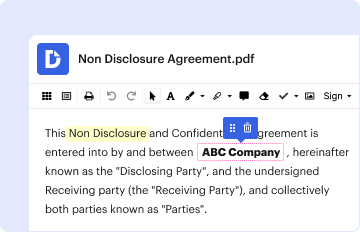
01. Edit your travel profile template online
Type text, add images, blackout confidential details, add comments, highlights and more.

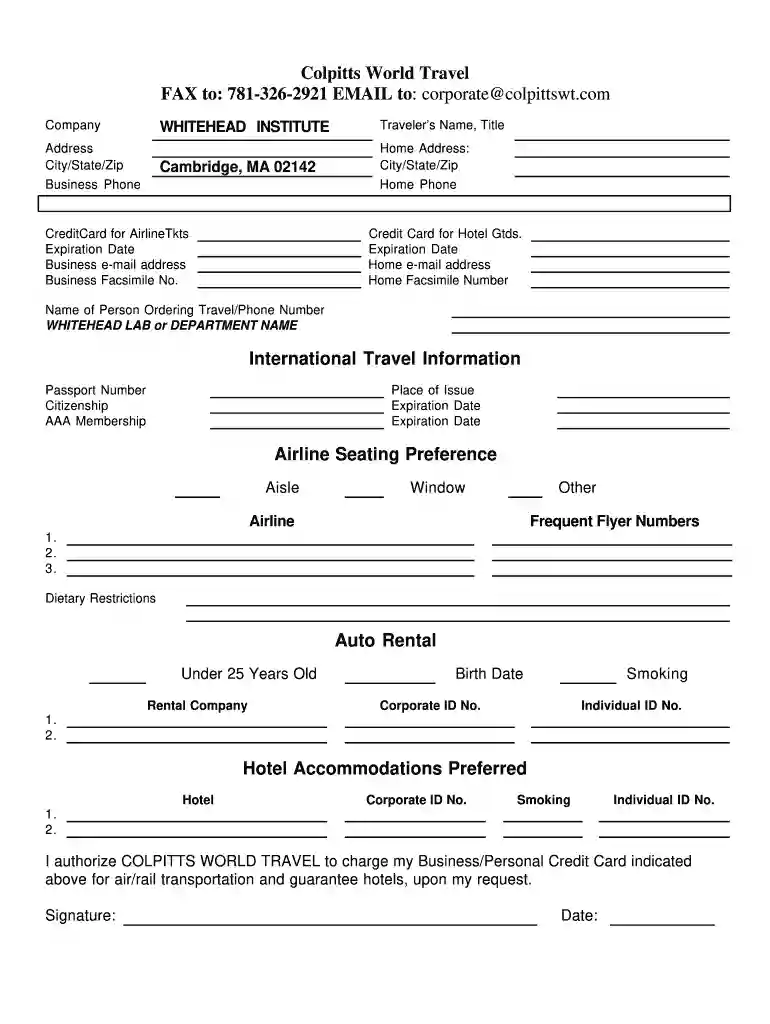
Type text, add images, blackout confidential details, add comments, highlights and more.
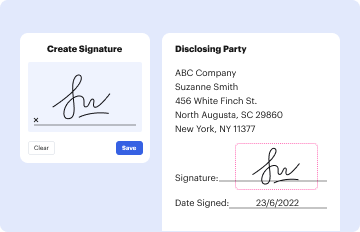
Draw your signature, type it, upload its image, or use your mobile device as a signature pad.
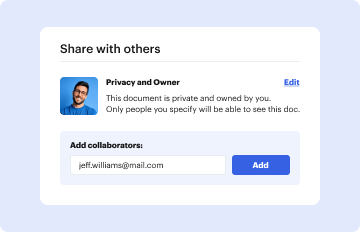
Send travel profile form via email, link, or fax. You can also download it, export it or print it out.
A travel profile template is a structured document used to gather essential information about an individual's travel preferences and needs. It typically serves several purposes, from streamlining travel arrangements to ensuring that specific requirements are met for business or personal travel. This template can be customized for different types of travelers—business professionals, leisure travelers, or executive travelers—allowing organizations to collect consistent data that enhances the travel experience.
Key components of a travel profile may include:
Having a comprehensive travel profile template ensures that all necessary information is readily available, thereby reducing inaccuracies and enhancing the efficiency of the travel management process.
Completing a travel profile template involves a series of straightforward steps. Understanding these steps can assist travelers in organizing their information effectively, ensuring that their preferences and needs are captured accurately.
Gather Personal Information: Start by collecting essential personal details such as full name, date of birth, and contact information. Ensuring accuracy in this section is crucial as it forms the basis of the entire profile.
Detail Travel Preferences: Identify preferences related to airlines, flight classes (e.g., economy, business), hotel star ratings, and any specific amenities that are prioritized. Documenting these preferences helps tailor future travel arrangements.
Include Loyalty Program Information: If applicable, provide any frequent flyer or hotel loyalty program numbers. This allows for easy accumulation of rewards and ensures travelers benefit from applicable points.
List Emergency Contacts: Identify one or more emergency contacts who can be reached during travel. Including relationship information and contact numbers is essential for responsiveness in case of emergencies.
Specify Special Requirements: If there are dietary restrictions or specific needs related to accessibility, these should be clearly noted. This ensures that service providers can accommodate such requirements effectively.
Review and Update: After filling out the template, review all information for accuracy and completeness. Regular updates will ensure the information remains current and relevant.
This structured approach facilitates the creation of a comprehensive and user-friendly traveler profile that can be utilized for any trip.
Understanding the core elements of a travel profile template is crucial in creating a document that is both efficient and informative. Each section of the template serves a specific purpose and collectively contributes to a well-rounded traveler profile.
Personal Identification: This includes the traveler’s full name, contact information, and any travel IDs or passport numbers. Ensuring this section is complete allows for seamless booking and identification during travel.
Travel Preferences: Documenting preferences such as seat type (aisle, window), food preferences, and hotel amenities (pool, gym access) can significantly improve the travel experience.
Itinerary Details: Including potential travel dates, destinations, and planned activities helps in forecasting needs and preferences for any upcoming trips.
Health and Safety Needs: Information regarding medical conditions or allergies should be included here, ensuring that safety and dietary needs are addressed by service providers during travel.
Behavioral Preferences: Gathering information about how the traveler prefers to travel—whether they like direct flights or are open to layovers, and whether they enjoy solo travel or prefer group tours—can help tailor future arrangements.
This comprehensive understanding of key elements ensures that all aspects of a traveler’s experience are documented, promoting efficient and satisfactory travel planning.
The travel profile template can be utilized in many different contexts, enhancing efficiency and ensuring that travelers’ needs are prioritized. Here are a few practical examples:
Corporate Travel Management: Organizations can implement travel profile templates for employees who travel frequently for business purposes. This allows for streamlined arrangements that cater to individual preferences, thereby boosting morale and productivity.
Travel Agencies: Travel agencies may use these templates to collect detailed information from clients, helping them to curate customized travel packages that align with the profile’s specifications.
Event Coordination: For large events or conferences where attendees may require travel arrangements, using a travel profile template can help organizers ensure that all participants’ travel needs are met efficiently.
Personal Travel Planning: Individuals planning a trip can benefit from maintaining a travel profile that includes preferences and special requirements. This serves both for personal reference and for when working with travel service providers.
These examples illustrate how a travel profile template can enhance various facets of travel-related interactions, ensuring a more organized and satisfactory experience for the traveler.
The travel profile template is utilized by various parties, each benefiting in distinct ways based on their unique travel requirements and contexts. Some of the primary users of this template include:
Corporate Employees: Individuals who travel regularly for work purposes typically provide their details via a travel profile template, which helps their companies manage travel efficiently.
Travel Agencies: Agents utilize these templates to gather vital information from clients, allowing them to make personalized travel arrangements that meet specific preferences and needs.
Event Planners: Professionals organizing conferences or large group outings benefit from having a traveler profile for each attendee, ensuring that all logistical arrangements are handled seamlessly.
Frequent Travelers: Individuals who regularly travel for personal reasons, such as vacations or visiting family, can maintain updated profiles for easy reference and planning.
Leisure Groups: Groups planning trips—such as family vacations or travel clubs—can use a travel profile template to coordinate preferences among all members effectively.
By identifying the typical users of the travel profile template, we can understand how various demographics prioritize travel needs and preferences, leading to better-organized trips.


At DocHub, your data security is our priority. We follow HIPAA, SOC2, GDPR, and other standards, so you can work on your documents with confidence.
MSU Traveler Profile. Please Print or Type: Please record name as it appears Signature of Traveler Please fax completed form to 323-5089.Read more
Get our free RFP template for Hospitality Travel procurement.Includes expert-curated evaluation criteria, vendor questions, scoring matrix, and comparison
Travel Profile for. Name as it appears on drivers license. E-mail address. Business phone. Home phone. Cell phone. Fax number.Read more


