
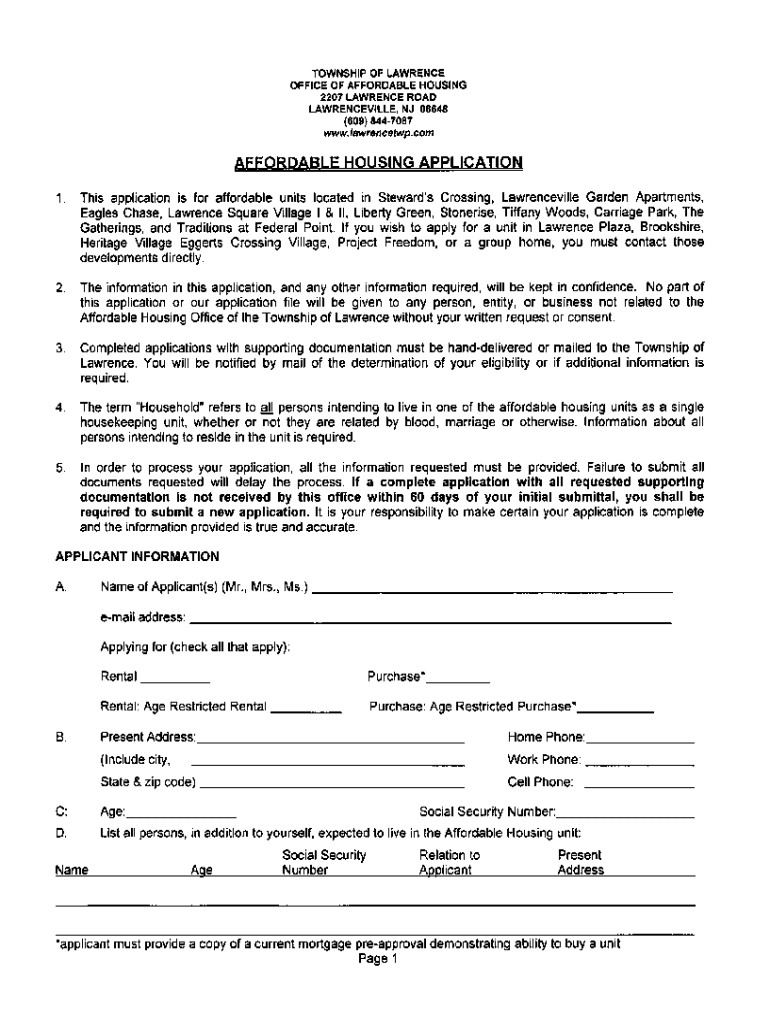







Definition and Purpose of Online Forms
Online forms are digital versions of traditional paper forms, designed to collect and process information electronically. These forms can serve various purposes, including applications, surveys, registrations, and more. The primary keyword "form online" refers to the ability to access, fill out, and submit forms over the internet, providing a convenient alternative to paper-based processes. By using online forms, individuals and organizations can streamline data collection, improve efficiency, and reduce the environmental impact associated with printing and mailing paper forms.
Steps to Complete an Online Form
Completing an online form involves several key steps to ensure accuracy and effectiveness:
- Access the Form: Locate the online form on the relevant platform, usually through a website or email link.
- Review Instructions: Read any instructions or guidelines provided to understand what information is required.
- Enter Information: Fill in the form fields with the appropriate data, which may include personal details, contact information, or responses to specific questions.
- Check for Mandatory Fields: Make sure all required fields marked with an asterisk (*) are completed.
- Upload Attachments: If the form requires additional documents, such as identification or certificates, ensure they are uploaded correctly.
- Verify Information: Double-check all entries for accuracy and completeness before submission.
- Submit the Form: After verifying the information, submit the form. A confirmation message or email often follows, indicating successful submission.
Why Use Online Forms
Online forms offer numerous advantages that make them a preferred choice over traditional paper forms:
- Convenience: Accessible from anywhere with an internet connection, allowing for quick and easy completion at any time.
- Efficiency: Automates data collection and processing, reducing manual entry errors and saving time.
- Cost Savings: Eliminates printing, mailing, and storage costs associated with paper forms.
- Environmentally Friendly: Reduces paper waste, contributing to sustainable practices.
- Real-Time Updates: Allows for instant updates and changes to form content without the need to reprint copies.
Key Elements of Online Forms
A well-designed online form includes several essential components to ensure usability and data integrity:
- Clear Instructions: Provides users with guidance on how to fill out the form properly.
- User-Friendly Interface: Features an intuitive layout with accessible navigation to enhance user experience.
- Data Validation: Incorporates real-time checks to prevent errors, such as incorrect date formats or invalid email addresses.
- Security Measures: Employs encryption protocols to protect sensitive information during transmission.
- Responsive Design: Adapts to various devices and screen sizes, ensuring compatibility with desktop and mobile platforms.
Important Terms Related to Online Forms
Understanding the terminology associated with online forms is crucial for effective use:
- Fillable Fields: Areas where users input data, such as text boxes, checkboxes, or dropdown menus.
- Submission Confirmation: A message or notification that verifies successful form submission.
- Data Encryption: The process of converting data into a secure format to prevent unauthorized access.
- Electronic Signature: A digital signature used to sign documents online, providing legal authenticity.
- Form Validation: Techniques used to ensure the data entered meets specific criteria before submission.
Legal Use of Online Forms
Online forms often play a significant role in legal processes, providing a digital alternative to traditional documentation:
- Electronic Signatures: Governed by laws such as the ESIGN Act in the U.S., ensuring e-signatures on online forms are legally binding.
- Compliance: Online forms must adhere to data protection and privacy regulations, such as GDPR or HIPAA, depending on the jurisdiction and form purpose.
- Record Keeping: Digital records of submitted forms must be securely stored and accessible for audit or legal review as needed.
Examples of Using Online Forms
Online forms are widely used across various industries for different purposes:
- Job Applications: Candidates submit personal and professional information along with resumes through online forms.
- Customer Feedback: Businesses use online surveys to gather customer opinions and improve services.
- Event Registrations: Participants register for conferences, webinars, or workshops using online forms.
- Health Declarations: Healthcare facilities collect patient information through online health assessment forms before visits.
Software Compatibility for Online Forms
Ensuring compatibility with various software applications enhances the functionality of online forms:
- Integration with Productivity Tools: Online forms can be designed to work seamlessly with applications like Google Workspace, allowing users to export form data directly into tools like Sheets or Docs.
- API Access: Offers developers the ability to connect online forms with custom software systems for advanced data processing and analytics.
- Support for Third-Party Platforms: Online forms may integrate with services like Dropbox or Salesforce for file storage and CRM functionalities.




