
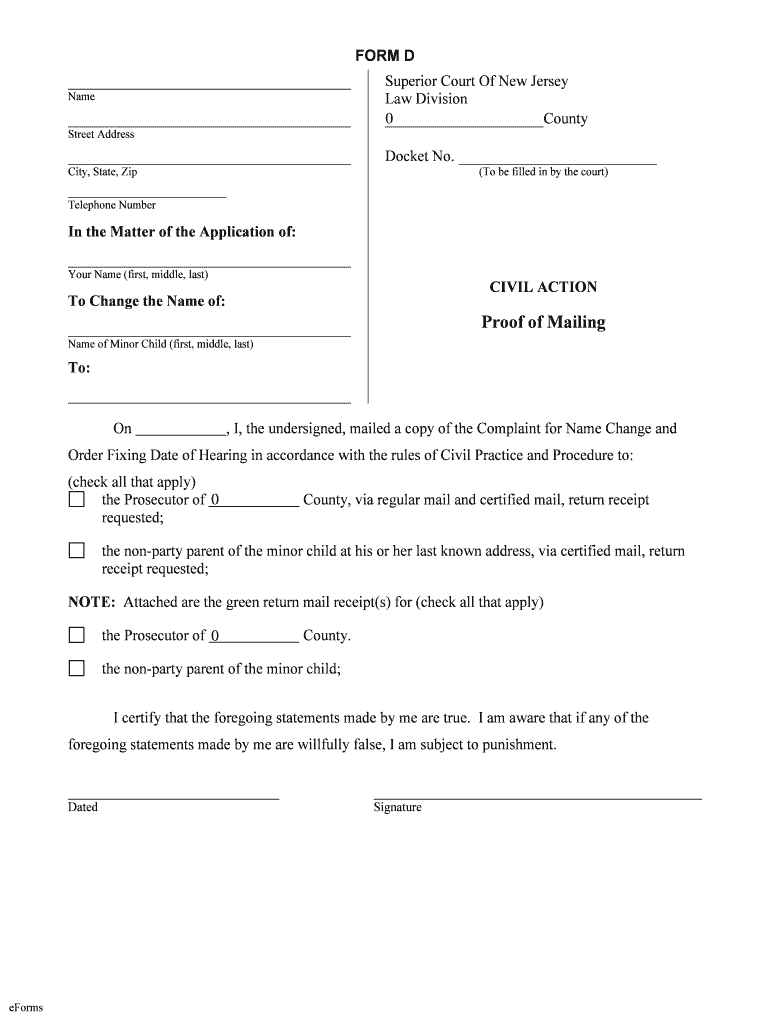







Definition and Meaning
The "GOODE et al v. CAMDEN CITY SCHOOL ... - law.justia.com" is a specific legal document related to a case filed in a court that involves the Camden City School District. This document typically includes legal arguments, case details, and rulings pertinent to the circumstances surrounding the case. Legal documents like these are used to present evidence, outline legal reasoning, and articulate the positions of the parties involved in the litigation.
How to Use the GOODE et al v. CAMDEN CITY SCHOOL
Using this document involves understanding its legal context within the broader legal proceedings of the case. Lawyers and parties involved would use it to review arguments made, assess the validity of claims, and prepare for hearings or trials. It's critical to read through the document carefully to identify key legal points, motions, and any court orders that may guide future actions in the case.
- Identify Key Sections: Focus on the argument sections and court orders to understand the legal stance and decisions made.
- Examine Motions and Filings: Review additional motions included in the document to comprehend the procedural aspects of the case.
- Prepare for Legal Proceedings: Utilize information from the document to guide strategy, whether you're defending a case or building a counter-argument.
How to Obtain the GOODE et al v. CAMDEN CITY SCHOOL
Accessing this document typically involves a few steps:
- Visit Legal Websites: Platforms like law.justia.com host such documents. Enter the case name or keywords in the search bar to locate the document.
- Court Records Requests: You may request the document from the relevant court's records department, either via their website or through direct contact.
- Public Record Repositories: Some libraries and public record repositories may hold case documents for public access.
Steps to Complete the GOODE et al v. CAMDEN CITY SCHOOL
Completing your review or walk-through of this document involves:
- Thorough Reading: Begin with a detailed read of the entire document to understand its structure and content.
- Highlight Key Information: Use tools to annotate important legal arguments, court decisions, and dates.
- Analysis and Note-taking: Take notes on how the points made relate to your particular interest or case.
- Consult with Legal Counsel: If necessary, discuss the document with legal experts to gather additional insights.
Key Elements of the GOODE et al v. CAMDEN CITY SCHOOL
Important components of this document may include:
- Case ID and Details: The introduction section will contain essential case identification such as docket numbers.
- Legal Arguments: Extensive sections where both parties lay out their legal arguments.
- Court Rulings and Orders: Conclusive parts of the document where the court's decisions and mandates are articulated.
- Supporting Exhibits: Any supplementary documents or evidence referenced in the case.
Legal Use of the GOODE et al v. CAMDEN CITY SCHOOL
This document's primary function is within the legal sphere:
- Case Reference: It acts as a record for legal precedents in similar future cases or appeals.
- Legal Education: Law students or researchers may utilize it for educational purposes or studies.
- Appeals Process: Reviewing this document helps in filing appeals by providing detailed case progression and court reasoning.
Important Terms Related to the GOODE et al v. CAMDEN CITY SCHOOL
Key terms you might encounter include:
- Docket Number: A unique number that identifies the case in court records.
- Plaintiff(s): Party or parties bringing the suit.
- Defendant(s): Party or parties the case is brought against.
- Motion: A formal request by a party for the court to issue a ruling or order.
- Order: Legal instructions from the court.
Who Typically Uses the GOODE et al v. CAMDEN CITY SCHOOL
Users of this document span various roles:
- Attorneys and Legal Staff: For case preparation and legal proceedings.
- Judges and Court Personnel: To reference past rulings or arguments.
- Academic Researchers: Studying legal systems, case laws, or judicial processes.
- Journalists: Reporting on legal issues or specific high-profile cases.






