







Understanding Jail Release Papers
Jail release papers, also known as jail release forms or discharge papers, are formal documents indicating that an individual has been released from a correctional facility. These documents are essential for various legal, administrative, and personal purposes. They serve as proof of an inmate's release, detailing pertinent information about their incarceration and release.
Key Information Included in Jail Release Papers
The content of jail release papers can vary by jurisdiction, but they typically contain important information that addresses the legal and administrative needs of both the released individual and any organizations that require verification of their release. Common elements may include:
-
Inmate Information:
- Full name
- Date of birth
- Inmate identification number
-
Details of Incarceration:
- Date of admission
- Reason for incarceration
- Duration of stay
-
Release Information:
- Date and time of release
- Type of release (e.g., parole, completed sentence)
-
Signature of the Releasing Authority:
- Official signatures validate the authenticity of the document
How to Obtain Jail Release Papers
The process for obtaining a copy of your jail release papers can differ greatly depending on county or state regulations. Below are general steps to follow:
-
Determine the Correct Location:
- Identify the facility where you were incarcerated to find the appropriate department for obtaining records.
-
Contact the Correctional Facility:
- Reach out to the facility's administrative or records department via phone or their official website. In some cases, facilities may have an online portal for record requests.
-
Provide Required Information:
- Be prepared to provide personal details such as your name, date of birth, and inmate identification number for verification purposes.
-
Submit a Request:
- Some jurisdictions may require you to submit a formal request or fill out a specific form to obtain your release papers.
-
Pay Any Necessary Fees:
- Be aware there may be a nominal fee associated with obtaining copies of jail release papers.
Variations of Jail Release Papers
Different types of release documents may exist based on the nature of the release. It's important to understand these variants to meet specific requirements, especially for legal purposes. Here are common examples:
-
Parole Certificates: Issued when an individual is released on parole and must abide by specific terms.
-
Completion Certificates: Provided upon fulfilling a sentence, confirming that all obligations have been met without conditions.
-
Temporary Release Forms: In certain cases, temporary release papers may be issued for specific purposes, such as medical emergencies.
Legal Importance of Jail Release Papers
Having jail release papers on hand is crucial for several reasons:
-
Employment Verification: Many employers require proof of release during the hiring process, especially in positions where background checks are involved.
-
Civil Rights Restoration: In some regions, individuals may need to provide jail release papers to restore civil rights, such as voting eligibility.
-
Accessing Services and Benefits: Some government or health services may mandate a copy of your release paperwork for eligibility verification.
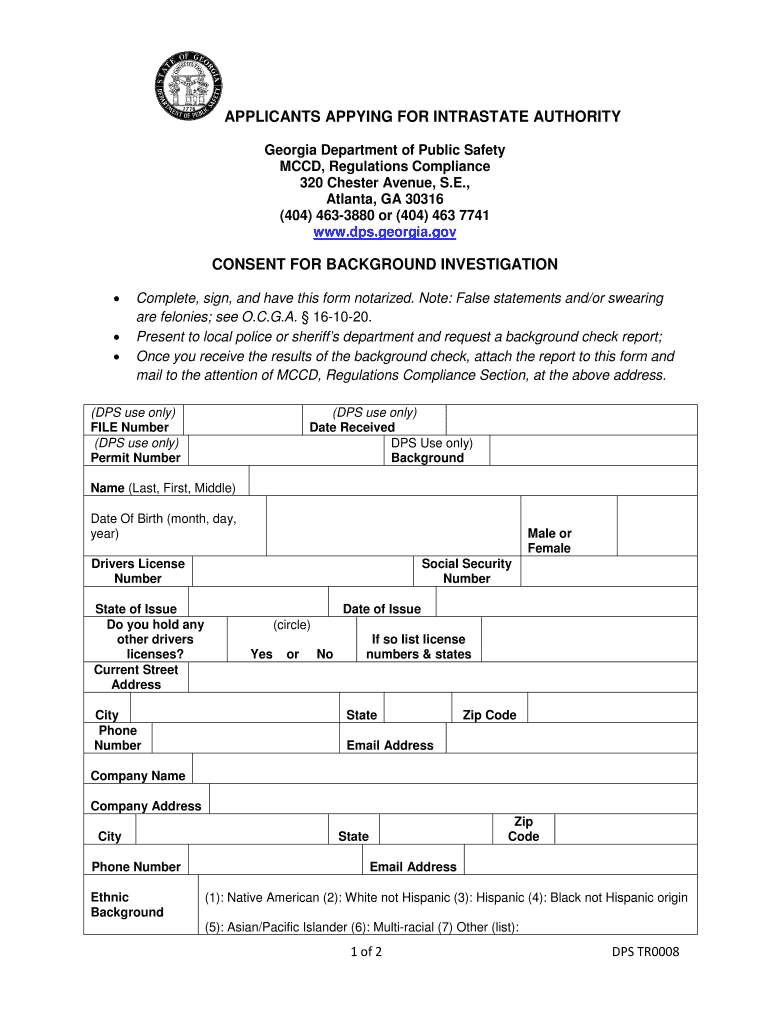
What Do Jail Release Papers Look Like?
While the design of jail release papers can vary by facility, they generally follow a standard format. They often feature official letterhead, and security watermarks, and include:
- Ownership of Information: Clearly indicate the releasing correctional facility.
- Bold Header: Commonly state "Release from Jail" or similar wording.
- Format: The layout may include tables for organized information presentation.
Understanding what jail release papers encompass will benefit individuals navigating the legal system. Having a clear grasp of how to obtain these documents and their uses will facilitate a smoother reintegration process into society following incarceration.




